Iran’s Parliament Speaker Alleges U.S. Ground Attack Plans Amidst Ongoing Tensions
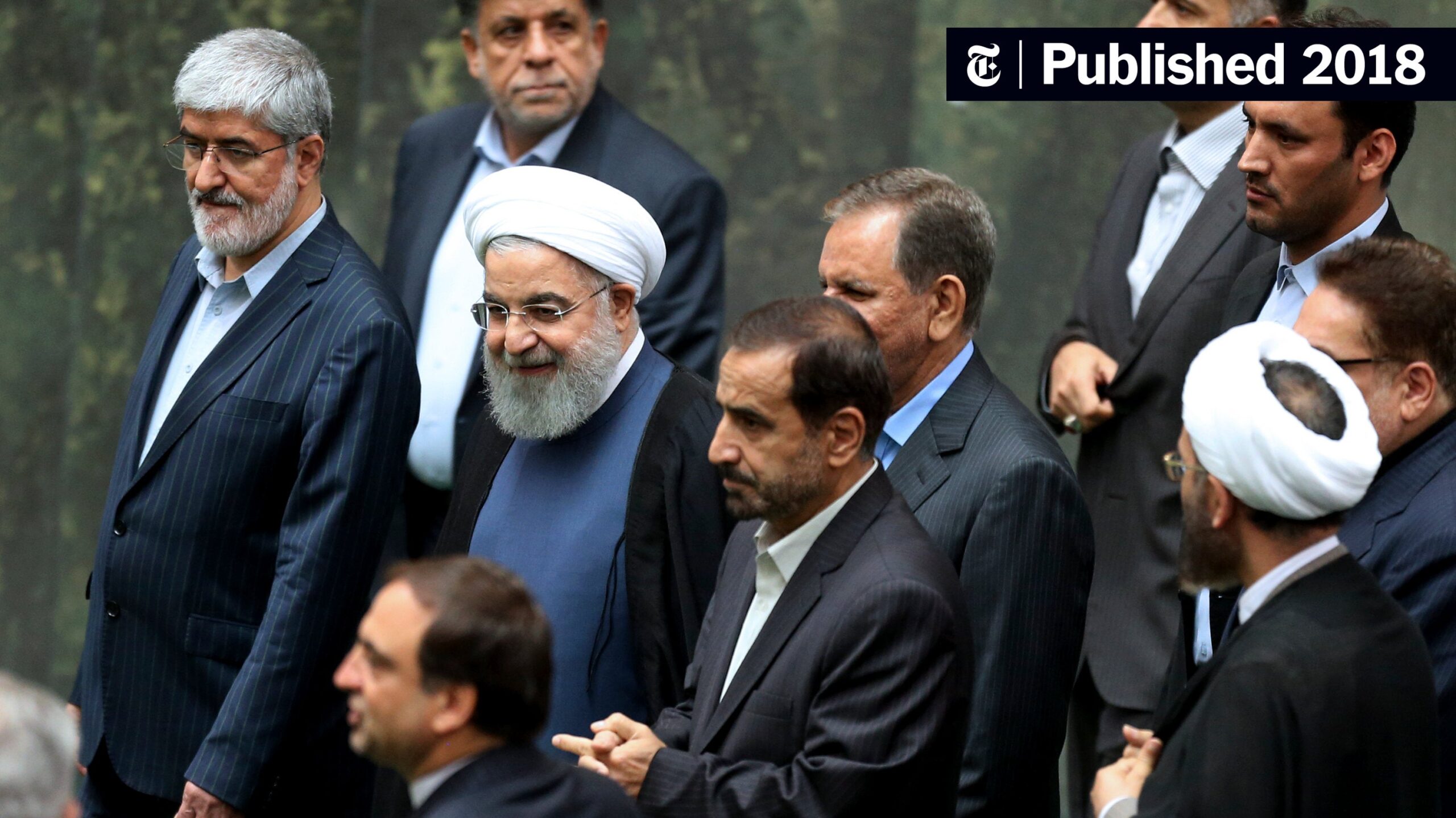
In a striking assertion, Iran’s parliament speaker, Mohammad Bagher Ghalibaf, has accused the United States of preparing for a ground military operation in the region, despite the U.S. government’s rhetoric surrounding diplomatic efforts. Ghalibaf’s comments come on the heels of the arrival of a U.S. warship in the Middle East, which carries approximately 3,500 military personnel and has raised concerns about escalating tensions in the area.
The situation has become increasingly volatile over the past month, marked by a significant uptick in aerial bombardments involving U.S. and Israeli forces targeting Iran. This military action has raised alarms among Iranian officials, who view the presence of U.S. military assets in the region as a direct threat. Ghalibaf’s remarks reflect a growing apprehension within Iran regarding potential military escalations, particularly as diplomatic discussions are set to occur among key regional stakeholders.
The backdrop to these tensions is a broader conflict that has seen Iran retaliate against Gulf states, further complicating an already precarious geopolitical landscape. The conflict has not only affected regional stability but has also sent shockwaves through global energy markets, with prices experiencing notable fluctuations. Analysts suggest that these developments could have far-reaching implications for the world economy, as energy costs rise in response to the instability.
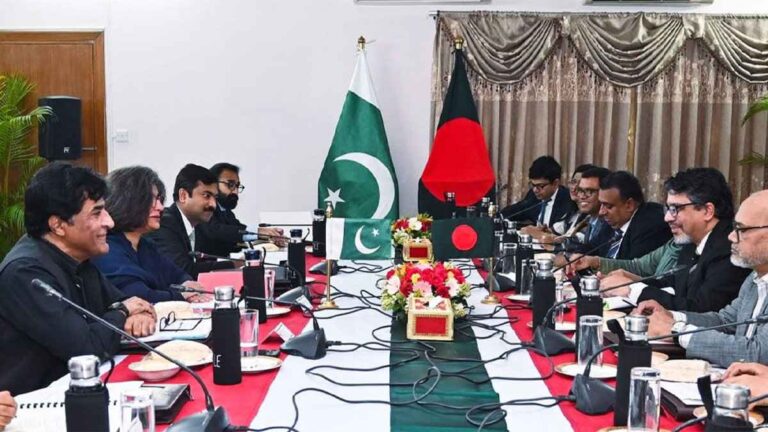
As regional leaders prepare for critical talks on Monday, the stakes are high. The outcome of these discussions could either pave the way for a de-escalation of tensions or exacerbate the situation further. Observers are keenly watching how both U.S. and Iranian leadership will navigate this complex environment, where military posturing and diplomatic negotiations must coexist.
In light of these developments, many within the Arab-American community are expressing concern over the potential for increased hostilities and the impact on civilian populations in the Middle East. The fear of a broader conflict looms large, with the possibility that military actions could result in significant humanitarian crises.
As the situation unfolds, the international community remains vigilant, urging restraint from all parties involved. The need for constructive dialogue has never been more pressing, as the region grapples with the implications of military actions and the quest for lasting peace. With key discussions on the horizon, the hope is that diplomacy will prevail over conflict, allowing for a more stable future in the Middle East.