Iran’s Revolutionary Guards Declare Military Vessels a Threat to Ceasefire in Strait of Hormuz
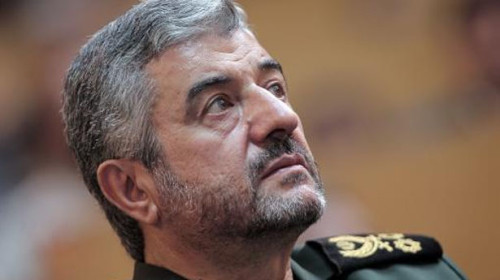
Iran’s Revolutionary Guards have issued a stern warning regarding military vessels approaching the strategic Strait of Hormuz, declaring that such actions would be considered a violation of the ongoing U.S. ceasefire. The statement, released on Sunday, emphasizes that any military incursions into this critical waterway would be met with firm and decisive responses from Iranian forces.
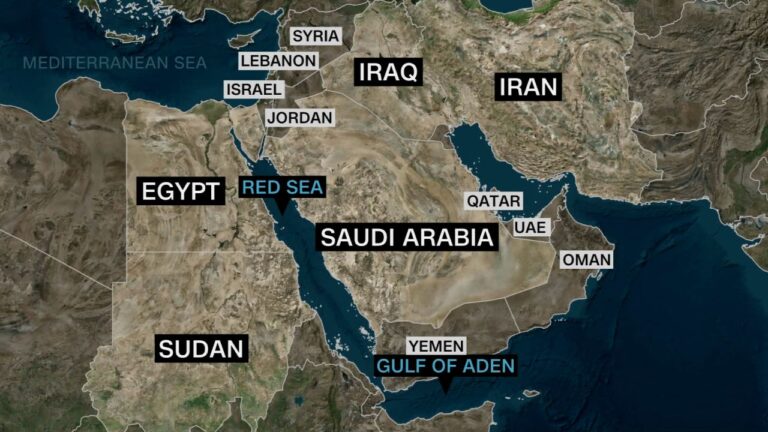
The Strait of Hormuz, which links the Persian Gulf to the Gulf of Oman, is a vital passage for global oil shipments and is currently under the surveillance and control of the Iranian Navy. The Revolutionary Guards highlighted their commitment to maintaining security in the strait, asserting that it remains accessible for non-military vessels adhering to established regulations. They underscored their “smart management” of the area to ensure safe passage for commercial shipping while emphasizing their readiness to counter any perceived threats.
This declaration comes amid heightened tensions in the region, particularly following recent military activities and exchanges between Iran and the United States. The Revolutionary Guards’ warning serves as a reminder of the fragile nature of maritime security in the area, where international fleets frequently navigate.
Iran’s assertion regarding the regulation of military vessels is a significant development, especially in light of the strategic importance of the Strait of Hormuz. Approximately 20% of the world’s oil trade passes through this narrow passage, making it a focal point for geopolitical interests. The potential for military escalation in this region poses risks not only to shipping routes but also to broader international relations.
The announcement coincides with ongoing discussions about regional stability and security, with Iran positioning itself as a key player in the dialogue surrounding maritime safety. The Revolutionary Guards’ firm stance reflects Tehran’s broader strategy to assert its influence in the Persian Gulf amid various international pressures.
As the situation evolves, observers will be closely monitoring both Iranian actions and U.S. responses, particularly in the context of the ceasefire. The potential for misunderstandings or miscalculations in such a contentious area remains high, and any incident involving military vessels could easily escalate tensions further.
In conclusion, Iran’s Revolutionary Guards have made it clear that any military presence in the Strait of Hormuz will not be tolerated during the ceasefire period. This declaration raises important questions about the future of maritime security in the region and the delicate balance of power among the nations operating in this crucial waterway.