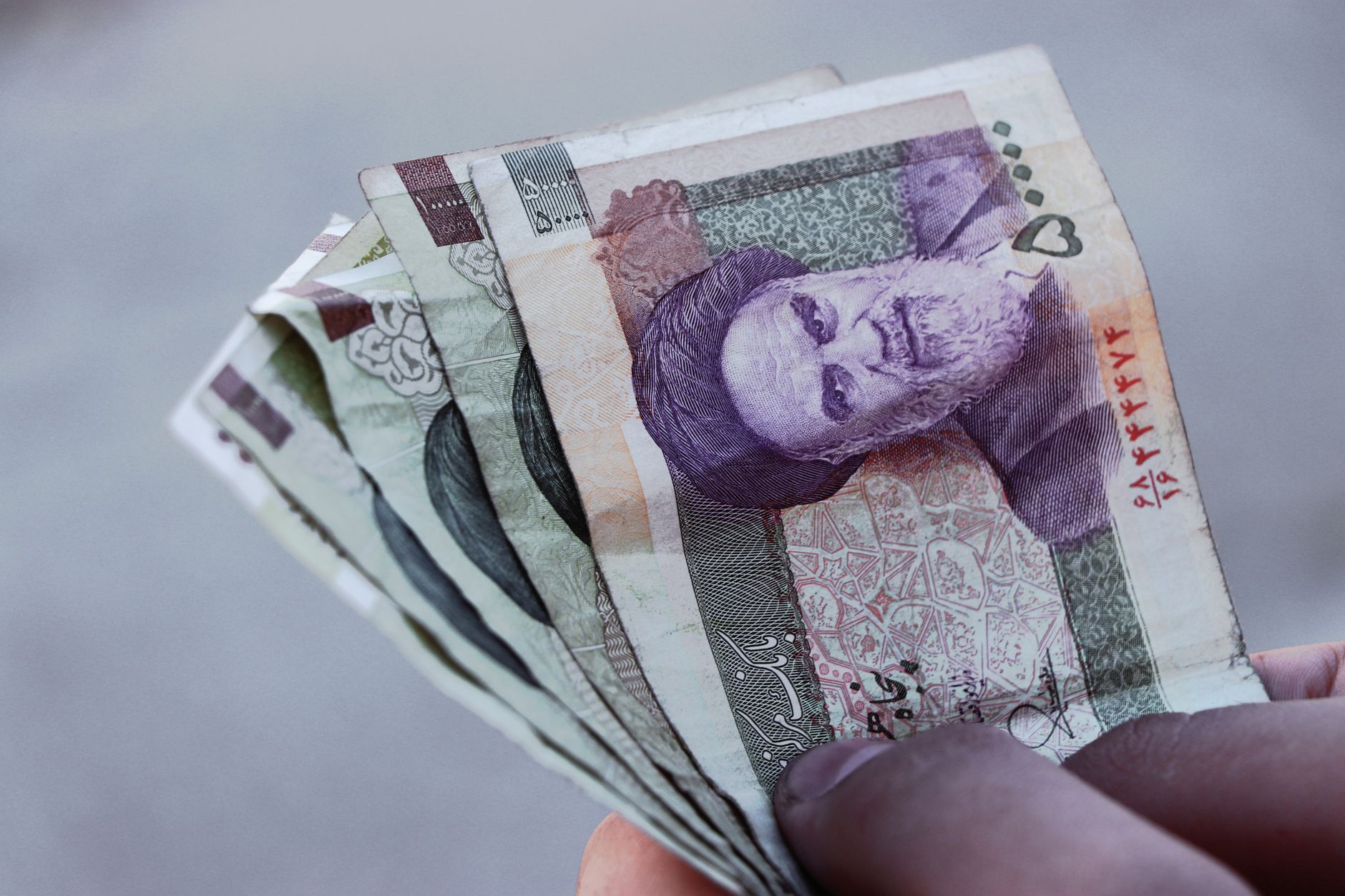
Iran’s Rial Reaches Historic Low Amidst Increasing Oil Export Pressures
In a troubling economic development, Iran’s national currency, the rial, has plummeted to a record low, trading at over 2.5 million rials to one U.S. dollar in Tehran’s open market. This significant depreciation reflects the mounting pressures on Iran’s economy, particularly impacting its vital oil export sector.
The decline of the rial is attributed to a combination of factors, including ongoing international sanctions, internal economic mismanagement, and a decrease in global oil prices. Iran, heavily reliant on oil exports for revenue, has faced escalating challenges in recent years due to stringent sanctions aimed at curtailing its oil trade. These sanctions have been exacerbated by geopolitical tensions, further isolating the nation from global markets.
The recent drop in oil prices has compounded the difficulties faced by the Iranian economy. As oil revenues decline, the country struggles to fund essential services and meet the needs of its population, leading to increased inflation and a rise in the cost of living. Many citizens are feeling the effects of this economic strain, with basic goods becoming increasingly unaffordable for average families.
In response to the currency crisis, the Iranian government has implemented various measures aimed at stabilizing the rial and revitalizing the economy. These measures include attempts to control the foreign exchange market and reforming banking practices to enhance transparency. However, experts believe that without a significant shift in international relations and a resolution to the ongoing sanctions, these efforts may offer only temporary relief.
The rial’s decline has also sparked public concern and frustration, with many citizens expressing their discontent through protests and social media. The Iranian populace is increasingly vocal about their economic grievances, demanding more effective governance and accountability from their leaders.
Economists warn that the sustained depreciation of the rial could lead to further economic instability, potentially triggering a cycle of inflation that would make recovery even more challenging. Without a robust strategy to address both the internal and external factors affecting the economy, Iran may continue to face significant hurdles in rebuilding its economic standing.
As the situation evolves, analysts are watching closely to see how the Iranian government will respond to these challenges and whether it can effectively navigate the dual pressures of international sanctions and economic mismanagement. The fate of the rial and the broader Iranian economy remains uncertain, but the impacts are already being felt across the nation.