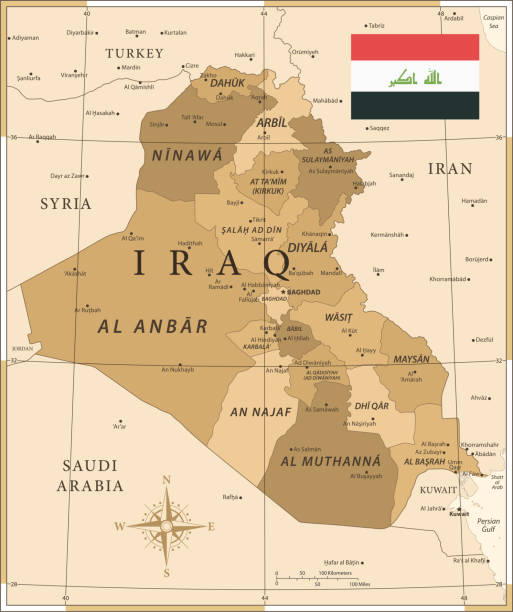
Iraq and Pakistan Forge Energy Agreements with Iran Amidst Regional Tensions
In a significant move highlighting Iran’s influence over regional energy dynamics, both Iraq and Pakistan have recently finalized agreements with Tehran to import oil and liquefied natural gas (LNG) from the Gulf. These developments underline Iran’s strategic control over the vital Strait of Hormuz, a key shipping route for global energy supplies.
According to multiple sources familiar with the negotiations, these deals are expected to bolster energy security for both Iraq and Pakistan, who are looking to diversify their energy sources amid ongoing economic challenges. The agreements come at a time when geopolitical tensions in the region are palpable, particularly concerning energy supply and security.
Iraq, which has long been reliant on Iranian energy imports to meet its domestic needs, is set to receive significant quantities of oil as well as natural gas. This move is crucial for Iraq, especially as it seeks to stabilize its energy sector and reduce blackouts that have plagued the country in recent years. The agreement not only ensures a steady supply of energy but also reinforces the close ties between Baghdad and Tehran.
Pakistan, on the other hand, is making strides to address its own energy crisis through this partnership with Iran. The country has been grappling with severe energy shortages, which have hampered economic growth and led to public discontent. The new energy deal is expected to provide Pakistan with essential natural gas supplies, enhancing its energy infrastructure and potentially reducing reliance on more expensive energy imports.
The Strait of Hormuz remains a strategic chokepoint for global oil shipments, with approximately 20% of the world’s petroleum passing through this narrow passage. Iran’s ability to negotiate these energy deals showcases its pivotal role in maintaining energy flows in the region, even amidst economic sanctions and international scrutiny.
Analysts suggest that these agreements could have broader implications for regional energy politics. By solidifying relationships with its neighbors, Iran aims to strengthen its position in the face of external pressures. Furthermore, as both countries seek to bolster their energy security, they may further entrench their reliance on Iranian energy supplies, potentially complicating relations with other energy-producing nations.
As the geopolitical landscape continues to evolve, the agreements between Iraq, Pakistan, and Iran serve as a reminder of the complexities surrounding energy security in the Middle East. Observers will be closely monitoring how these partnerships develop and what they mean for the future of energy supply and diplomacy in the region.