Iraqi Prime Minister Initiates Anti-Corruption Campaign Amid Rising US Pressure on Iran-Backed Militias
Iraq’s newly appointed Prime Minister is taking decisive steps to address corruption in the country, a move seen as critical ahead of significant discussions with U.S. officials. This campaign aims to tackle pervasive corruption that has long plagued Iraq’s political and economic landscape. However, experts caution that the success of this initiative will largely depend on its ability to confront Iraq’s most influential Iran-aligned factions.
The anti-corruption drive was unveiled shortly after the Prime Minister assumed office, signifying a shift towards greater accountability and transparency within the Iraqi government. The initiative comes at a time when the United States is increasingly urging Iraq to rein in the power of Iran-backed militias, which have been accused of undermining state authority and contributing to instability in the region.
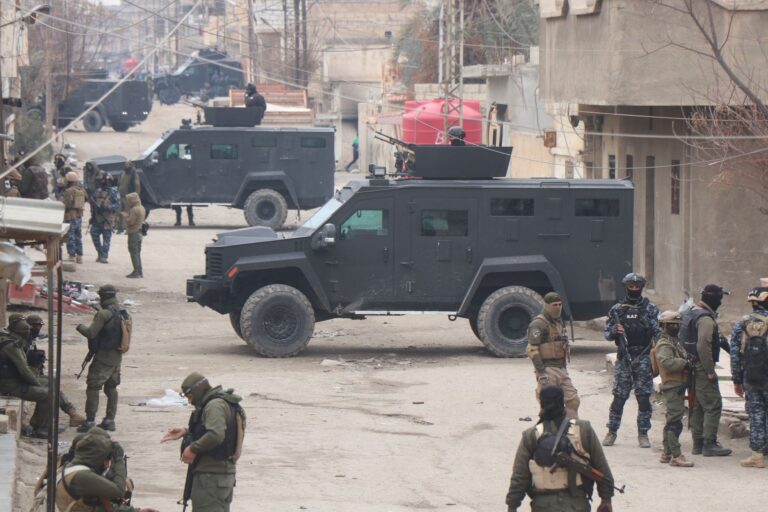
Analysts highlight that while the Prime Minister’s efforts are commendable, the real challenge lies in addressing the entrenched interests of powerful militia groups that operate with considerable autonomy. These groups, some of which are integrated into Iraq’s security forces, have been implicated in various corruption schemes and are resistant to governmental oversight.
The Prime Minister’s anti-corruption measures include a series of reforms aimed at enhancing institutional integrity and reducing bureaucratic red tape. These reforms are intended to restore public trust in the government, which has been eroded by years of mismanagement and corruption scandals. Citizens have long expressed frustration over the lack of basic services and widespread graft, making this campaign a crucial test of the new administration’s commitment to reform.
As the Prime Minister prepares for high-stakes discussions in Washington, the U.S. government is expected to emphasize the importance of addressing the influence of Iran-backed militias in Iraq. Washington’s support for Baghdad is contingent upon the Iraqi government’s ability to assert its sovereignty and effectively manage internal security challenges. This includes limiting the power of militias that have often acted outside the bounds of the law.
The international community is closely watching Iraq’s developments, particularly given the geopolitical implications of a strengthened Iraqi state. Success in the anti-corruption campaign could bolster Iraq’s standing in the region and enhance its ability to engage with international partners.
In the coming weeks, it will be critical to monitor the Prime Minister’s efforts as he seeks to balance the demands of reform with the realities of a complex political landscape. The effectiveness of his anti-corruption campaign will ultimately determine whether Iraq can break the cycle of corruption and establish a more stable and democratic governance framework. As the situation unfolds, many hope for meaningful progress that benefits all Iraqis, particularly those who have long suffered from the consequences of corruption.