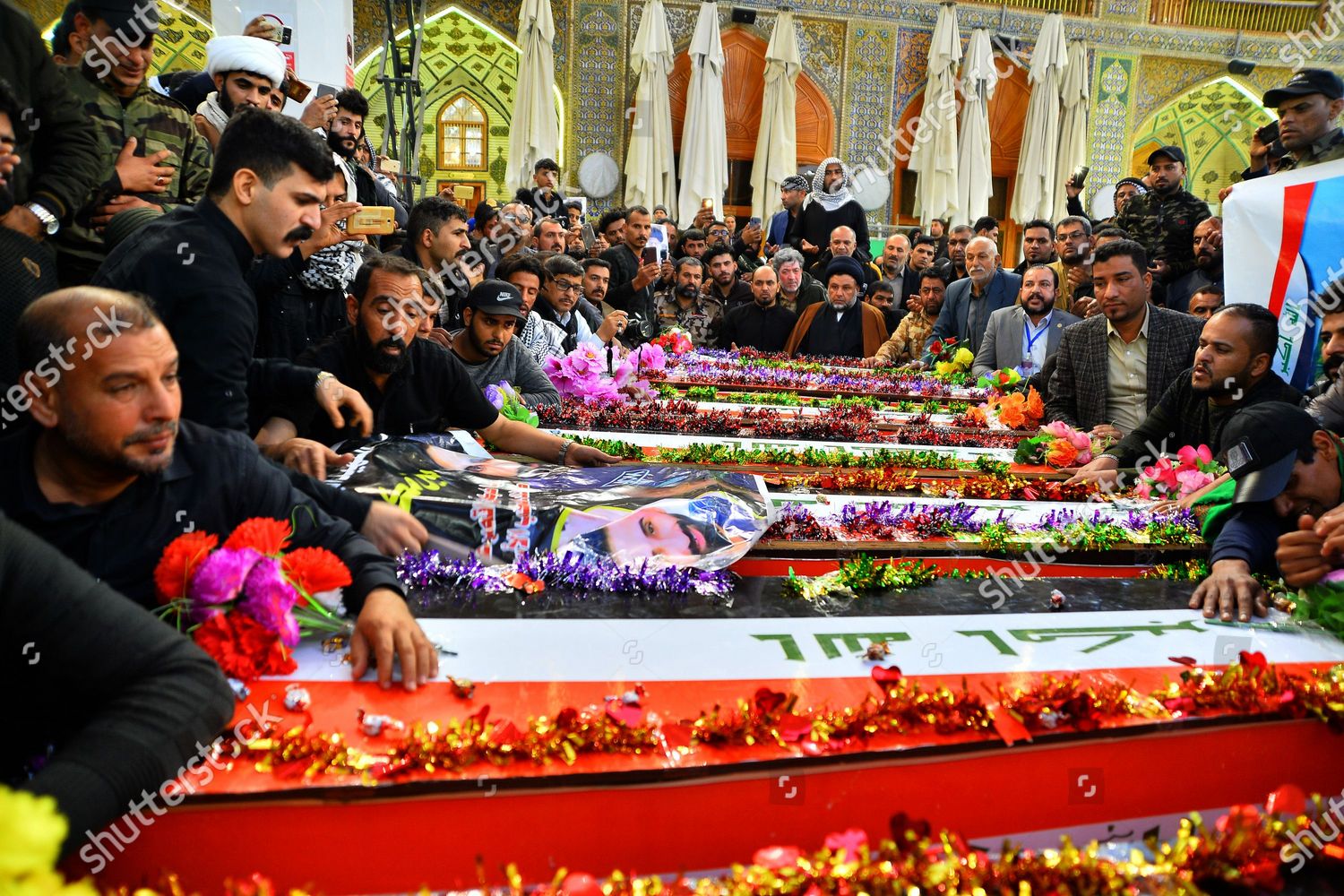
Iraqis Mourn Fighters Killed in Attacks
In a somber atmosphere marked by grief and loss, Iraqi army medic Ahmed and his two remaining colleagues surveyed the devastation around them. Just days prior, their medical clinic served as a vital lifeline for the community, but now it lies in ruins following a recent airstrike. With emotions running high, Ahmed expressed the profound sorrow he felt for his fallen comrades. “We’re the only ones left of the medical unit,” he lamented, his voice shaking. “They were all either killed or wounded.”
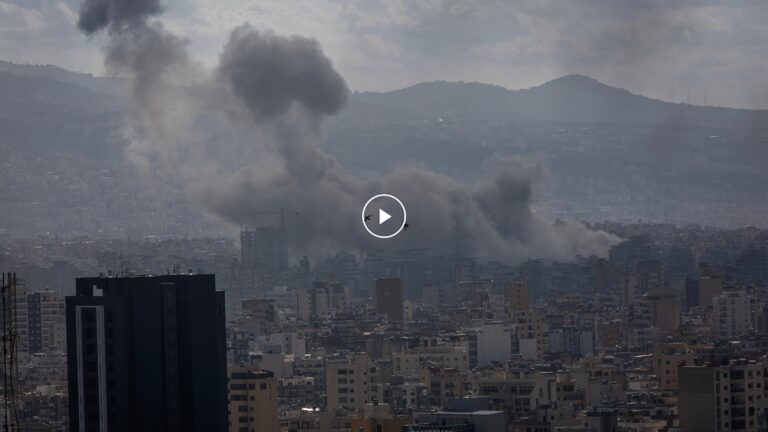
The recent escalation of violence in Iraq is a direct consequence of the ongoing conflict that ignited on February 28, following U.S. and Israeli military actions against Iranian targets. What began as targeted strikes quickly escalated, drawing in regional powers and civilian populations into a cycle of violence that has left many Iraqis caught in the crossfire.
As the dust settles on the latest attacks, families are left to mourn their lost loved ones, many of whom were active in defending their communities. The toll of the conflict is not just measured in physical destruction; it is also felt deeply in the emotional and psychological scars left on survivors. Ahmed’s expression of grief reflects a broader sentiment among the Iraqi populace, many of whom have experienced loss and trauma over the years due to ongoing regional instability.
The situation has prompted calls for international attention and intervention to prevent further escalations. Community leaders emphasize the need for dialogue and peaceful resolution rather than continued military engagement, which only exacerbates the suffering of innocent civilians. The humanitarian impact of the conflict is profound, with thousands of families displaced and in urgent need of medical assistance, food, and shelter.
In addition to the immediate physical dangers, the psychological toll on those who remain is significant. Many Iraqis express feelings of despair and hopelessness as they navigate a reality fraught with uncertainty. The community’s resilience remains strong, but the repeated cycles of violence test their endurance.
As the Iraqi people grapple with their grief, they are also reminded of the importance of unity and solidarity in the face of adversity. Community support networks have become vital as individuals come together to assist one another in rebuilding lives shattered by conflict. Local organizations and international aid groups are mobilizing efforts to provide necessary support and resources to those affected.
The ongoing situation in Iraq remains fluid, with many hoping for a de-escalation of tensions that would allow for healing and reconstruction. As the region continues to face challenges, the voices of the affected must be heard, advocating for peace and a return to normalcy. The resilience of the Iraqi people is undeniable, but they require the world’s attention and support to navigate these turbulent times.