Israel Conducts Airstrikes in Southern Beirut Amid Ongoing Tensions with Hezbollah
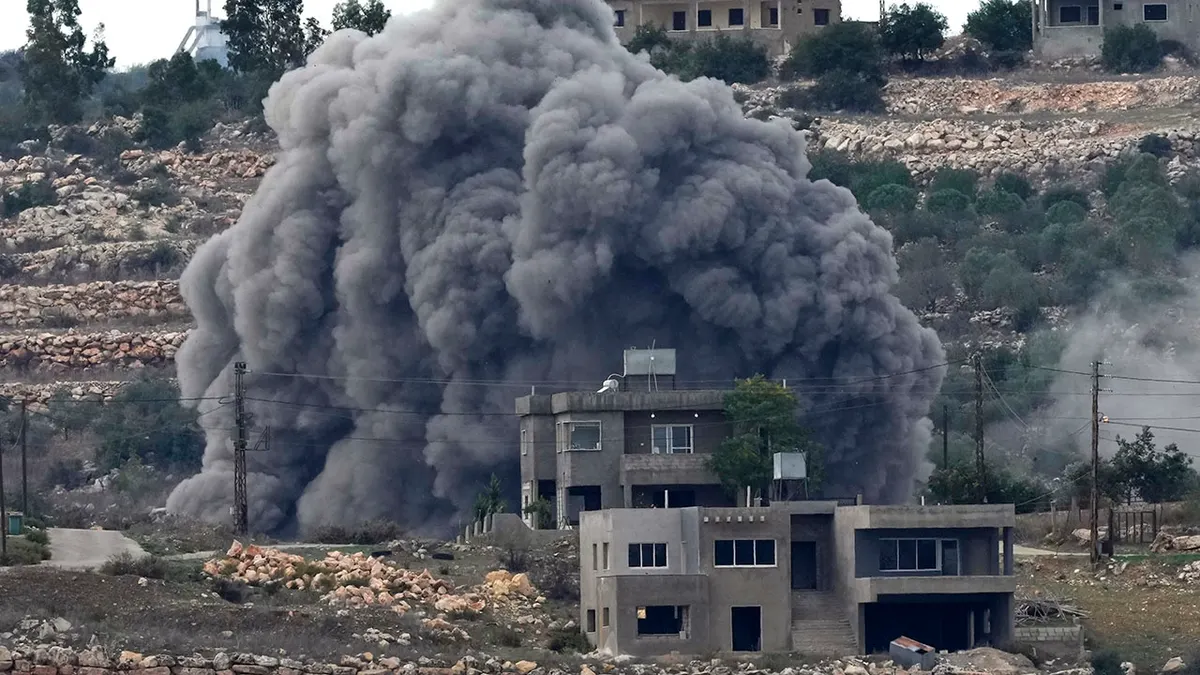
Israeli airstrikes targeted southern Beirut on Monday, marking a significant escalation in the ongoing conflict with the Lebanese militant group Hezbollah. This marks the first series of attacks on Hezbollah’s stronghold in recent days, as the Israeli military reported the capture of two Hezbollah members in southern Lebanon.
The strikes specifically hit areas in the southern suburbs of Beirut, which are known for their strong support of Hezbollah. This development comes after an earlier Israeli airstrike that targeted the upscale neighborhood of Hazmieh, located near Beirut. Israeli military sources indicated that the aim of the Hazmieh strike was to target an individual affiliated with the Iranian Revolutionary Guards’ Quds Force, which is known for its operations outside of Iran.
The recent military actions by Israel reflect the ongoing tensions in the region and the complex dynamics involving various armed groups. The Israeli government has frequently expressed concerns about Hezbollah’s military capabilities and its ties to Iran, which has been a central issue in the broader regional conflict.
As part of its military strategy, Israel has undertaken various operations aimed at dismantling Hezbollah’s infrastructure and weakening its operational capabilities. The capture of the two Hezbollah members is expected to further strain relations between Israel and the group, which has been involved in multiple conflicts with Israel over the years.
Reactions to the airstrikes have varied, with some Lebanese officials condemning the attacks as violations of national sovereignty. The Lebanese government has called for international intervention to address what it views as aggression from Israel. Meanwhile, Hezbollah has vowed to retaliate against any Israeli aggression, raising concerns about a potential escalation in violence.
The situation remains fluid, with both sides on high alert for further developments. International observers are closely monitoring the conflict, as the potential for a wider regional confrontation looms. The ongoing hostilities have prompted calls for diplomatic solutions to de-escalate the situation and restore stability to the region.
As the conflict continues, the humanitarian impact on civilians in southern Lebanon and Beirut is a growing concern. Many residents in the affected areas are grappling with the consequences of the violence, including displacement and the destruction of property. The international community is urged to pay attention to the plight of those affected by the ongoing conflict and to support efforts aimed at achieving lasting peace in the region.