Israel Intensifies Airstrikes on Gaza Amid Rising Tensions
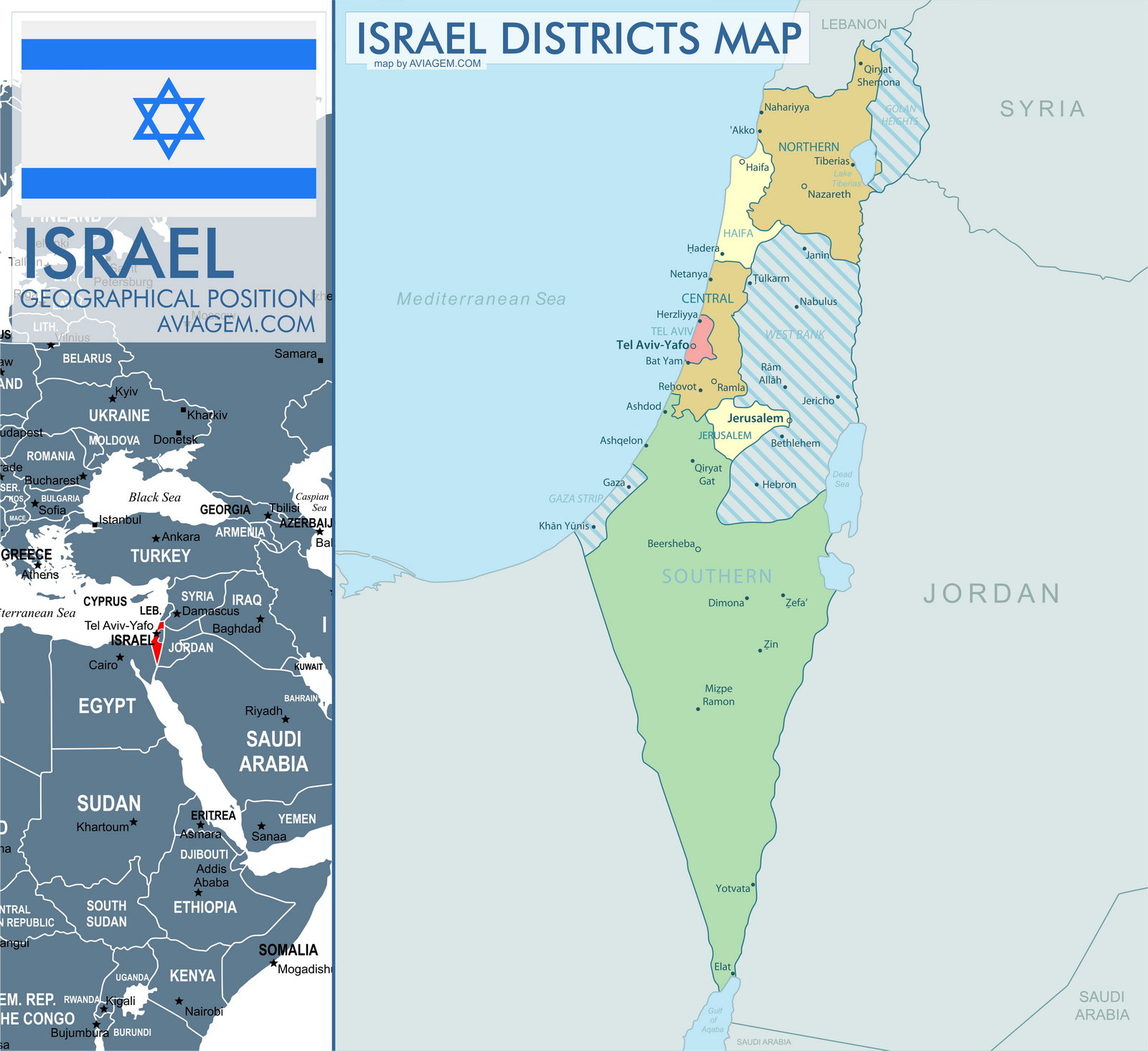
In a significant escalation of military activity, Israel has increased its airstrikes in the Gaza Strip over the past five weeks, coinciding with the cessation of its joint military operations with the United States targeting Iran. The Israeli military has expressed concerns that Hamas, the governing body in Gaza, is rearming and consolidating its position in the enclave, which has already suffered extensive damage from previous conflicts.
The Gaza Health Ministry reported that since the pause in hostilities with Iran on April 8, at least 120 Palestinians have lost their lives due to the renewed Israeli bombardment. Among the casualties are eight women and 13 children, highlighting the toll that the ongoing conflict continues to impose on non-combatants. This figure represents a 20% increase in fatalities compared to the previous five-week period when Israeli forces were also engaged in operations over Iranian territory.
Israeli military officials assert that the resurgence in airstrikes is a necessary response to the perceived threat posed by Hamas. They argue that the group is not only rearming but also strengthening its military capabilities, prompting the need for decisive action to ensure national security. This development comes at a time when regional tensions are high, and the geopolitical landscape remains complex, with various actors involved in the ongoing strife.
The situation in Gaza, already dire due to previous conflicts and blockades, has raised alarms among humanitarian organizations. The escalation in violence has exacerbated the already critical conditions faced by residents, including limited access to basic necessities such as food, water, and medical care. As airstrikes continue, the potential for further civilian casualties and infrastructure damage poses significant challenges for humanitarian efforts.
International reactions to the renewed conflict have been mixed. Some countries have called for restraint from both sides, urging dialogue and negotiation to prevent further loss of life. Others have voiced strong support for Israel’s right to defend itself against what it perceives as threats from militant groups like Hamas.
As the situation unfolds, many in the international community are closely monitoring developments. The potential for a broader conflict remains a concern, and the need for a sustainable resolution becomes increasingly urgent. With the humanitarian crisis deepening, the hope for peace and stability in the region is more critical than ever.
In light of these developments, community leaders and activists are emphasizing the importance of dialogue and mutual understanding to pave the way for a lasting solution, stressing the need to prioritize the well-being of civilians caught in the crossfire.