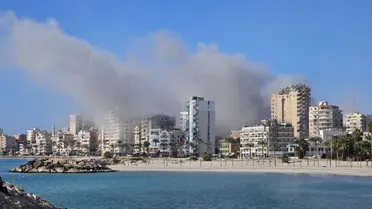
Israel Launches Strikes on Tyre in Southern Lebanon Following Evacuation Alerts
In a significant escalation of military actions, Israel has intensified its airstrikes on the southern Lebanese city of Tyre, issuing evacuation warnings to local residents. The renewed offensive comes in the wake of previous attacks that resulted in damage to a hospital in the area, prompting concerns over civilian safety and humanitarian conditions.
Reports from Lebanon’s state-run National News Agency (NNA) indicate that the Israeli military targeted three specific buildings that had been marked for evacuation. Residents were advised to leave these structures ahead of the strikes, a strategy Israel has employed in previous operations as part of its broader military campaign.
The recent surge in hostilities can be traced back to March 2, when Hezbollah, the Lebanese militant group allied with Iran, formally entered the ongoing conflict in the Middle East. This move has prompted Israel to expand its military operations across Lebanon, with an emphasis on southern regions where Hezbollah maintains a significant presence.
The situation in Tyre has raised alarms among international observers, particularly considering the potential for civilian casualties. Humanitarian organizations have expressed deep concern about the impact of the conflict on vulnerable populations, especially in urban areas like Tyre, where infrastructure is already strained.
As the conflict continues, the Israeli government has justified its military actions as necessary measures to protect its security and respond to perceived threats from Hezbollah. However, critics argue that such strikes disproportionately affect civilians and exacerbate the humanitarian crisis in Lebanon.
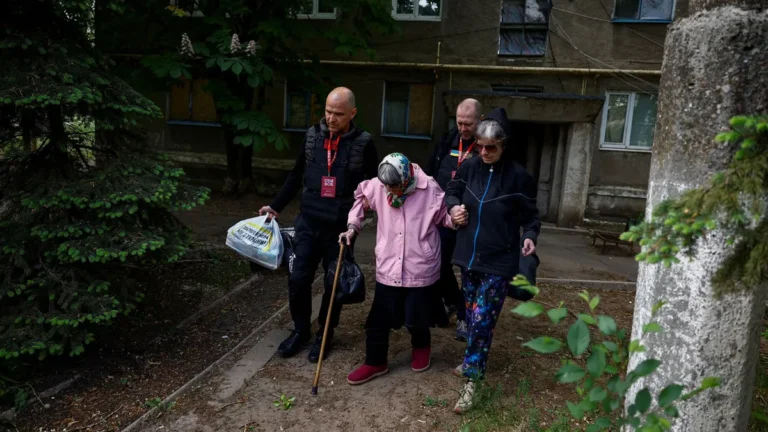
Local residents are grappling with the repercussions of the ongoing violence. Many have been forced to evacuate their homes, seeking refuge in safer areas or with family members. The psychological toll of the conflict is evident, as families deal with the uncertainty of their futures amidst the backdrop of sustained military operations.
The international community is closely monitoring developments in the region, with calls for de-escalation and dialogue growing louder. Diplomats and humanitarian agencies are urging both sides to prioritize the safety of civilians and to explore avenues for peace.
As the situation in Tyre and across southern Lebanon remains fluid, it is crucial for the public to stay informed about the latest developments and the broader implications of the conflict. The impact of these military actions extends beyond immediate security concerns, influencing regional stability and international relations in an already volatile landscape.