Israel Strikes Near Lebanon’s Qaraoun Dam Amid Escalating Conflict
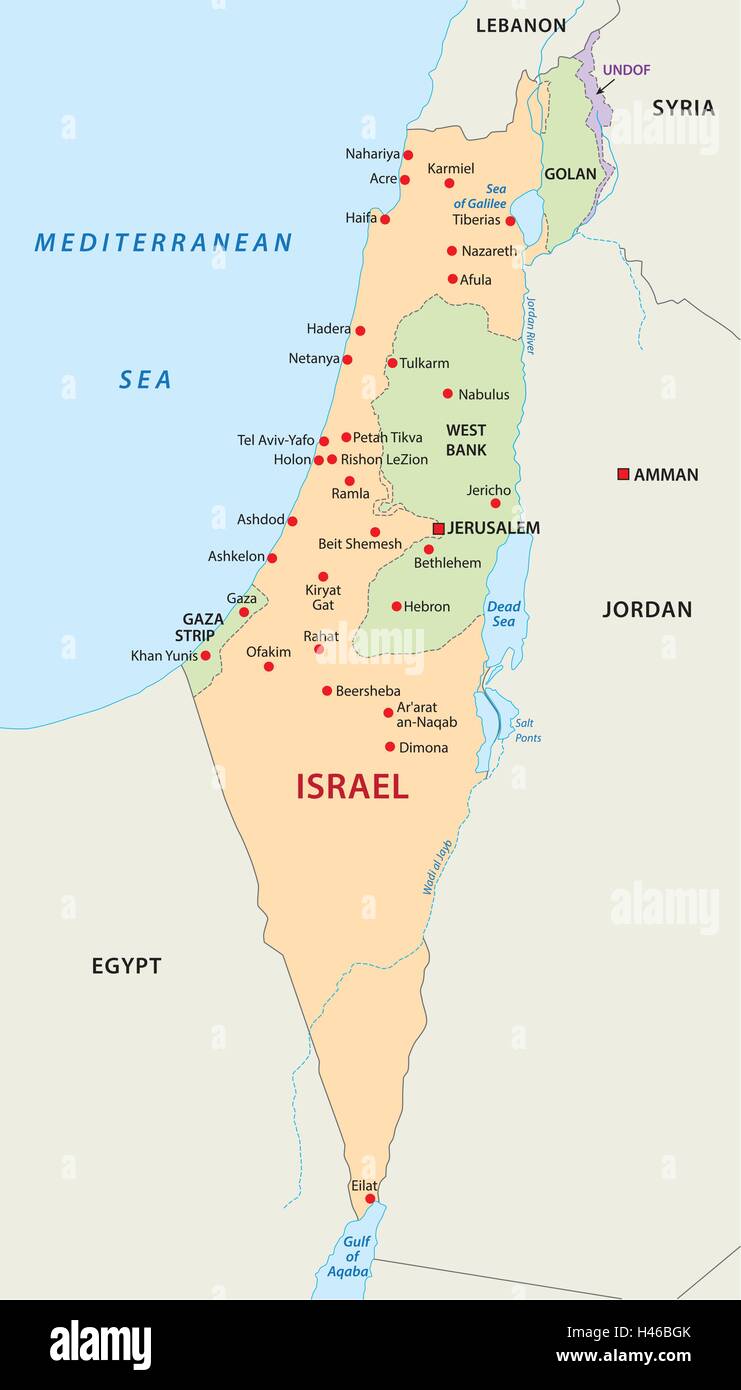
In a significant escalation of ongoing hostilities, Israeli forces have conducted airstrikes near the Qaraoun Dam in Lebanon. This military action comes in the wake of increasing pressure on Israeli Prime Minister Benjamin Netanyahu to intensify operations against the Hezbollah militia, particularly following a surge in rocket fire and a rising death toll in Lebanon.
The Qaraoun Dam, situated in the Bekaa Valley, is Lebanon’s largest reservoir, providing water for both irrigation and domestic use. The strikes in this area signal a worrying development, as the conflict between Israel and Hezbollah shows no signs of abating. Reports indicate that the airstrikes were aimed at specific Hezbollah targets believed to be involved in attacks against Israel. This military response is part of a broader strategy by the Israeli government to deter further aggression from the militant group, which has been actively responding to the ongoing conflict in the region.
Hezbollah’s involvement in the current situation has been marked by rocket attacks into northern Israel, prompting the Israeli military to retaliate. The conflict has intensified as both sides sustain losses and civilian populations face increasing dangers. Israeli officials have voiced concerns over the potential for a wider regional conflict, given Hezbollah’s strong ties with Iran and its influence in Lebanon.
The situation has garnered international attention, with calls for de-escalation from various global leaders. Humanitarian organizations are also raising alarms about the impact of renewed violence on civilians in both Lebanon and Israel. The risk of further civilian casualties is high, as densely populated areas near the Lebanese-Israeli border remain vulnerable to military actions.
In response to the strikes, Hezbollah has vowed to retaliate, framing its actions as a defense of Lebanese sovereignty. The group’s leader, Hassan Nasrallah, has emphasized the need to respond to Israeli aggression, which he claims violates Lebanese territory. The rhetoric from both sides underscores the high tensions in the region, making any diplomatic resolution increasingly challenging.
As the conflict continues to unfold, the implications for regional stability remain uncertain. Analysts suggest that without significant international intervention and dialogue, the potential for a prolonged conflict could escalate further, impacting not only Lebanon and Israel but also the broader Middle Eastern landscape.
The international community is closely monitoring the developments, urging both sides to exercise restraint and prioritize the protection of civilians. As the situation evolves, many are left to wonder about the future of Lebanon and the broader implications for peace in the region.