Israel Strikes Southern Lebanon Amidst Extended Ceasefire
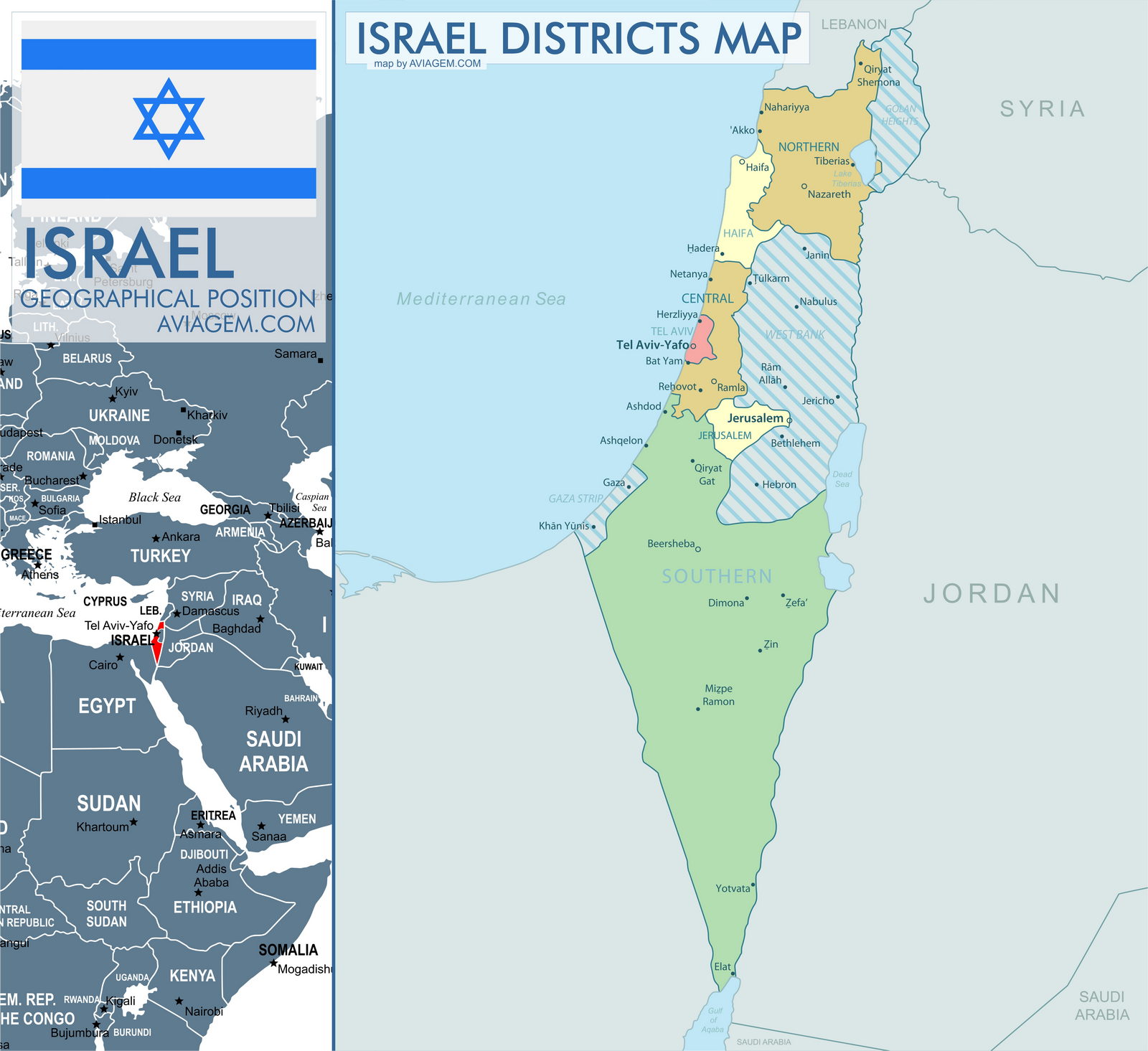
In a surprising turn of events, Israel conducted extensive airstrikes in southern Lebanon on Saturday, despite the recent extension of a ceasefire agreement between the two nations. The Israeli military indicated that the operations were aimed at Hezbollah positions, but the timing raised questions about the effectiveness and sincerity of the truce.
Prior to the airstrikes, Israeli authorities issued evacuation warnings to residents in nine villages within southern Lebanon. This precautionary measure was part of a broader strategy to minimize civilian casualties as military operations commenced. However, the warnings did little to assuage the fears of the thousands of Lebanese displaced from their homes due to ongoing hostilities. Many residents expressed skepticism regarding the truce, which had been designed to provide a temporary reprieve from the conflict that has plagued the region.
The airstrikes come amid a complex backdrop of regional tensions and longstanding animosities between Israel and Hezbollah, the militant group based in Lebanon. The Israeli government has maintained that its operations are necessary to neutralize threats posed by Hezbollah, particularly in light of recent escalations in violence along the border. Critics, however, argue that the continued bombings undermine the very essence of the ceasefire, leaving civilians vulnerable and exacerbating an already dire humanitarian situation.
Local sources report that the airstrikes have resulted in significant damage to infrastructure in the targeted areas. As fighting persists, the plight of civilians remains a critical concern. Humanitarian organizations are calling for immediate access to provide aid to those affected, emphasizing the urgent need for safety and stability in the region.
The international community has been closely monitoring the situation, urging both sides to adhere to the terms of the ceasefire. Efforts to mediate a lasting peace have been complicated by the recent hostilities, raising concerns over the potential for a broader escalation of conflict. Observers note that the fragile nature of the ceasefire underscores the challenges in achieving a sustainable resolution to the longstanding issues between Israel and Hezbollah.
As the situation develops, many in Lebanon are left grappling with the uncertainty of their future. With homes destroyed and communities disrupted, the fear of further violence looms large. The need for a comprehensive dialogue aimed at addressing the root causes of the conflict has never been more pressing, as both sides must navigate the delicate path toward peace while ensuring the safety and well-being of civilians caught in the crossfire.