Israel to Resume Commercial Shipments to Gaza Amid Resolution of Tax Dispute
Israel announced on Monday that it will restart the flow of commercial goods into the Gaza Strip, reversing a temporary suspension that had lasted several days. This decision comes in the wake of a dispute between Hamas, the governing authority in Gaza, and local merchants regarding tax payments.
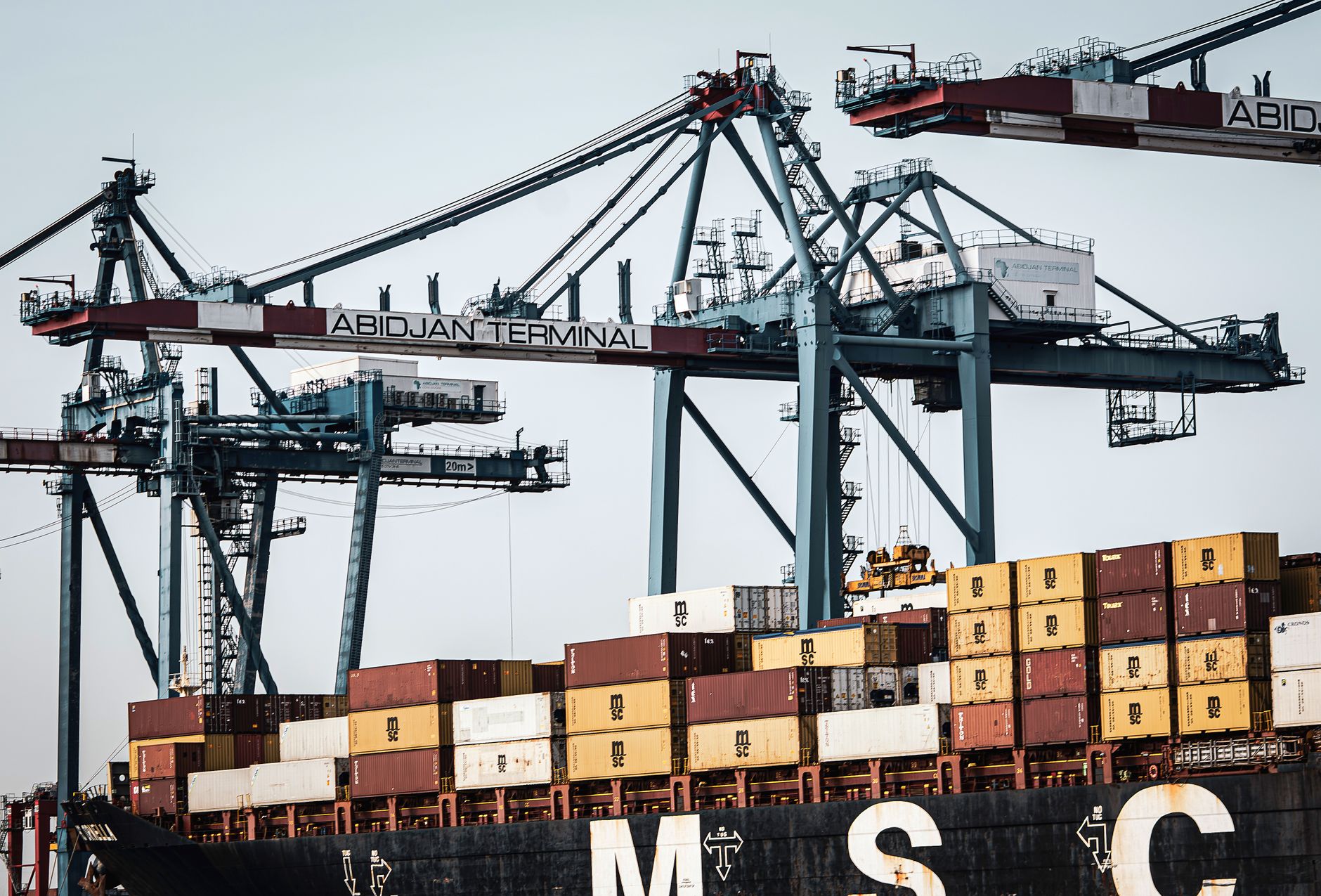
The halt in shipments was prompted by demands from Hamas for merchants to pay a fee of 10,000 shekels, approximately $3,225, for each truck entering the territory. This requirement raised concerns among the business community and humanitarian organizations, as it threatened the already fragile supply of essential goods to the region.
The Coordinator of Government Activities in the Territories (COGAT), the Israeli military body responsible for overseeing civilian affairs in Gaza, stated that the resumption of shipments follows reports from merchants indicating that Hamas had retracted its fee demands. This change is expected to facilitate the delivery of vital food and medical supplies to the enclave, which has been heavily reliant on aid.
The announcement is seen as a crucial step in alleviating the humanitarian crisis in Gaza, where many residents have been suffering from shortages of basic necessities. The region’s economic conditions have been dire, exacerbated by ongoing conflicts and restrictions on movement and trade.
Prior to this decision, the temporary suspension of shipments had raised alarms among humanitarian organizations, which warned that the lack of supplies could lead to further deterioration of living conditions for the people in Gaza. With the majority of the population dependent on aid, the restoration of commercial shipments is a significant development for residents.
The situation remains complex, as the relationship between Israel, Hamas, and the Palestinian people is often marked by tension and conflict. While this decision to resume shipments may provide immediate relief, broader issues surrounding governance, security, and economic stability in Gaza continue to pose challenges.
As the situation evolves, it is crucial for the international community to monitor developments closely and advocate for solutions that prioritize the welfare of the people in Gaza. The resumption of trade is a positive sign, but long-term stability will depend on addressing the underlying issues that contribute to the ongoing crisis in the region.
In summary, Israel’s decision to allow commercial shipments back into Gaza reflects a temporary resolution to a tax dispute that threatened the livelihoods of many. It underscores the delicate balance between governance and humanitarian needs in a region marked by complexity and ongoing challenges.