Israeli Airstrike Targets Hamas Operative in West Bank
In a significant and rare military operation, the Israeli Defense Forces (IDF) conducted an airstrike in the West Bank on Friday, resulting in the deaths of a Hamas operative and two of his associates. The strike, which occurred in the Jenin area, has sparked widespread condemnation and raised tensions in an already volatile region.
The individual killed in the operation has been identified by Israeli authorities as Qais Bitawi, a member of Hamas. The group confirmed his involvement and denounced the airstrike, which they described as a blatant act of aggression. Additionally, the Islamic Jihad militant organization has also claimed Bitawi as one of its members, further complicating the narrative surrounding the incident.
According to reports from the IDF, the airstrike specifically targeted a vehicle in which Bitawi and his accomplices were traveling. This operation marks one of the rare instances in which the Israeli military has employed airpower in the West Bank, a territory that has traditionally seen ground operations and other forms of military engagement.
The airstrike has drawn immediate backlash from Palestinian officials and various advocacy groups. They argue that such actions escalate tensions and undermine efforts for peace in the region. The Palestinian Authority has condemned the attack, calling it a violation of international law and an example of Israel’s ongoing military aggression.
The situation in Jenin has been particularly tense in recent months, with an uptick in violence and military operations reported in the area. The IDF has stated that its actions are aimed at dismantling terrorist networks and preventing future attacks on Israeli citizens. However, the civilian population in the West Bank often bears the brunt of these military strategies, leading to a cycle of retaliation and unrest.
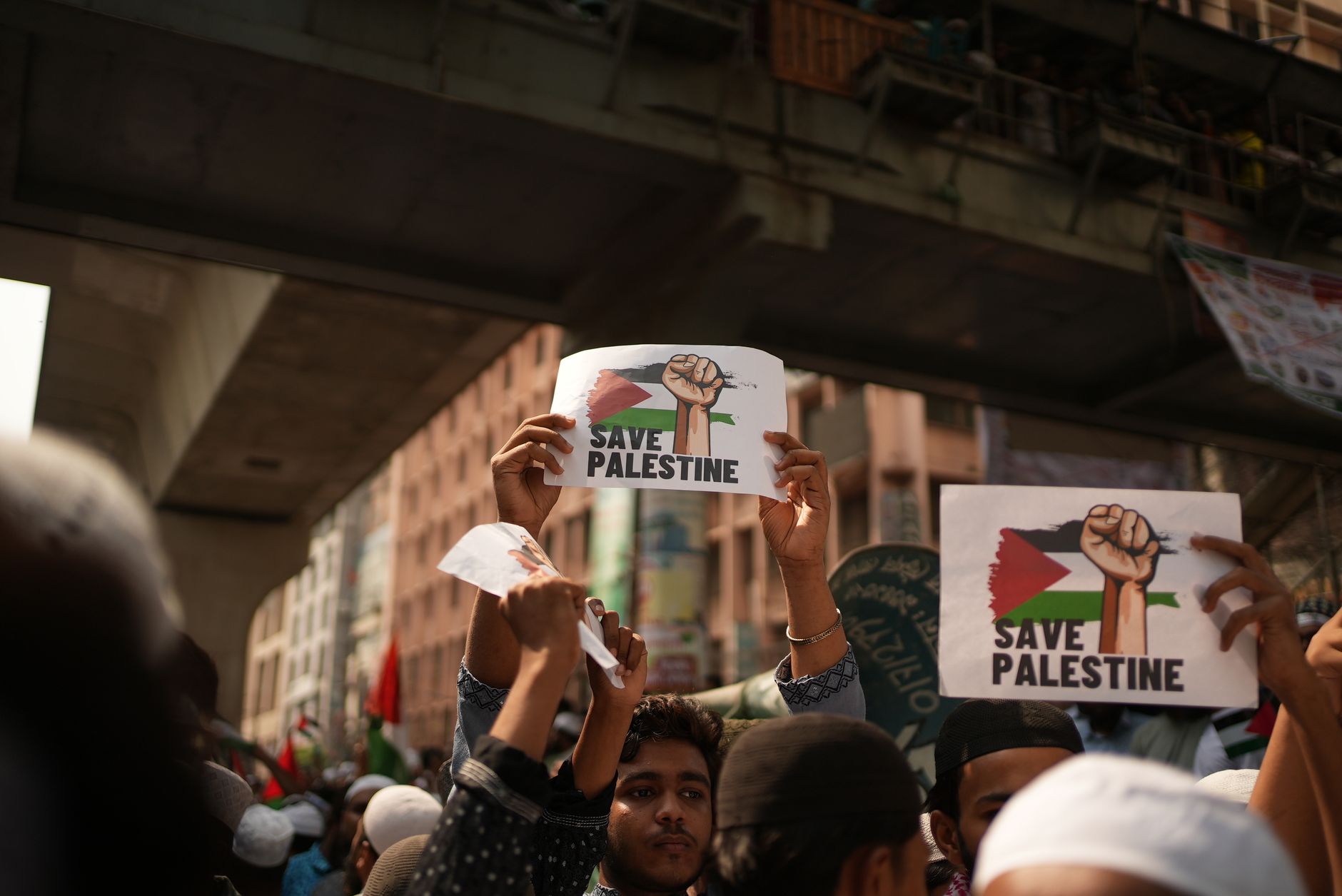
In response to the airstrike, protests erupted in various Palestinian neighborhoods, with demonstrators calling for an end to Israeli military operations in their territory. Local leaders have urged international bodies to intervene and address what they describe as a deteriorating humanitarian situation in the West Bank.
As the situation continues to unfold, observers are closely monitoring the potential implications of this airstrike for future Israeli-Palestinian relations. The balance of power and ongoing conflict in the region remain fragile, with each incident further complicating the quest for a sustainable resolution. The international community is once again called upon to engage in dialogue and seek pathways to peace amidst the growing tensions.