Israeli Authorities Deny Entry to Latin Patriarch for Palm Sunday Service
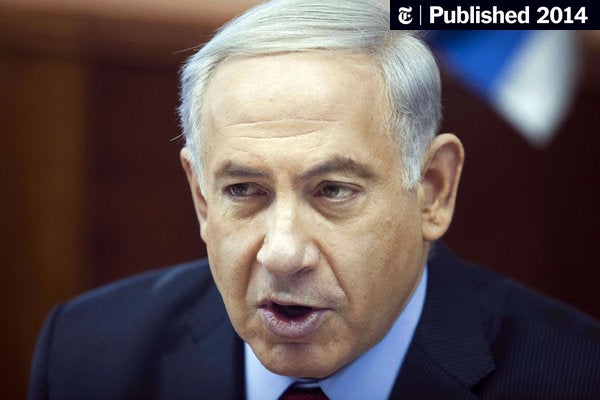
In a significant incident that has drawn attention from various communities, Israeli police denied Cardinal Pierbattista Pizzaballa, the Latin Patriarch of Jerusalem, entry to the Church of the Holy Sepulchre on Palm Sunday. This decision, communicated by the prime minister’s office, was reportedly made out of “concern for his safety.”
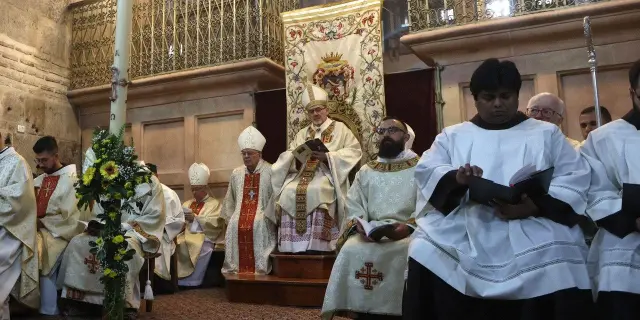
The Latin Patriarchate released a statement confirming that both Cardinal Pizzaballa and Father Francesco Ielpo, the Custos of the Holy Land, were prevented from accessing the historic site as they sought to lead the Palm Sunday Mass. The Church of the Holy Sepulchre is one of the holiest sites in Christianity and is traditionally a focal point for celebrations during Holy Week.
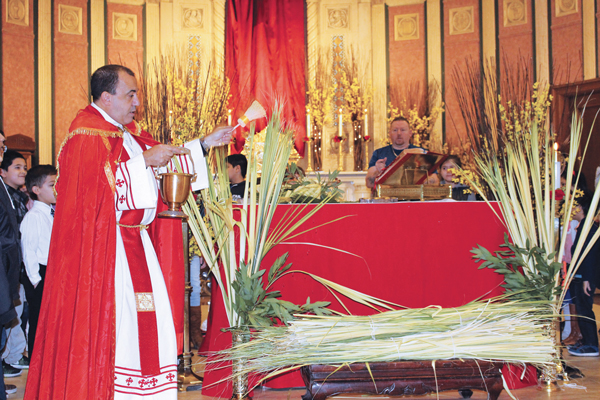
The denial of entry has raised eyebrows, particularly given the significance of Palm Sunday in the Christian liturgical calendar. This day marks the beginning of Holy Week and commemorates Jesus Christ’s triumphant entry into Jerusalem. The event typically attracts a large gathering of worshippers, underscoring the importance of the mass for the local Christian community.
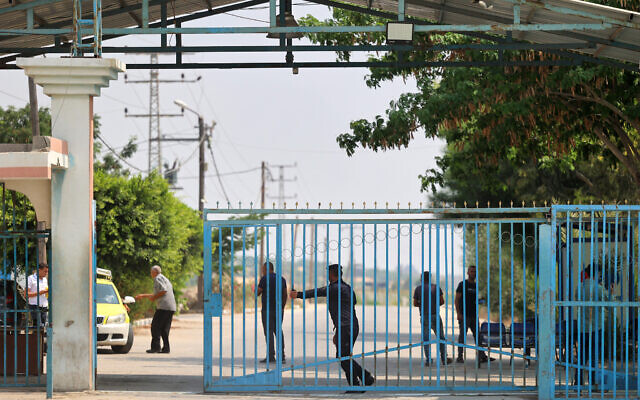
The Israeli police justified their decision by stating it was a precautionary measure, citing potential disturbances in the area. However, this rationale has not alleviated concerns among religious leaders and community members about the implications of such actions on religious freedoms and the rights of Christians in Jerusalem.
The Latin Patriarchate expressed disappointment over the incident, emphasizing the need for religious leaders to be able to perform their duties without hindrance. In their statement, they reiterated the importance of maintaining peace and allowing for the free exercise of faith, particularly in a city that holds deep religious significance for multiple faiths.
The incident has sparked discussions about the broader context of religious tolerance and coexistence in Jerusalem, a city that is home to diverse religious communities. For many, the actions taken by Israeli authorities are viewed as part of a troubling trend that threatens the delicate balance of religious expression in the region.
As the local Christian community prepares for the upcoming Easter celebrations, many are left reflecting on the challenges they face in practicing their faith freely. The denial of access to such an important site as the Church of the Holy Sepulchre raises critical questions about the future of religious observances in Jerusalem, especially for minority communities.
In the days to come, it remains to be seen how this incident will affect relations between religious groups in the city and whether it will prompt further discussions on the need for safeguarding religious freedoms in one of the world’s most contested cities.