Israeli Military Issues Evacuation Warning for Residents in Southern Lebanon Ahead of Strikes
The Israeli military has issued a warning for residents living in eight towns in southern Lebanon, advising them to evacuate their homes immediately in anticipation of impending military strikes. This announcement comes as tensions in the region remain high and follows a ceasefire that was declared earlier this month but has not yet resulted in a complete cessation of hostilities.
The towns affected by the evacuation order lie outside what has been designated as the “buffer zone,” an area that Israeli forces occupied prior to the ceasefire. The military has characterized these strikes as a necessary measure to ensure security, highlighting ongoing concerns about threats from various militant groups operating in the vicinity.
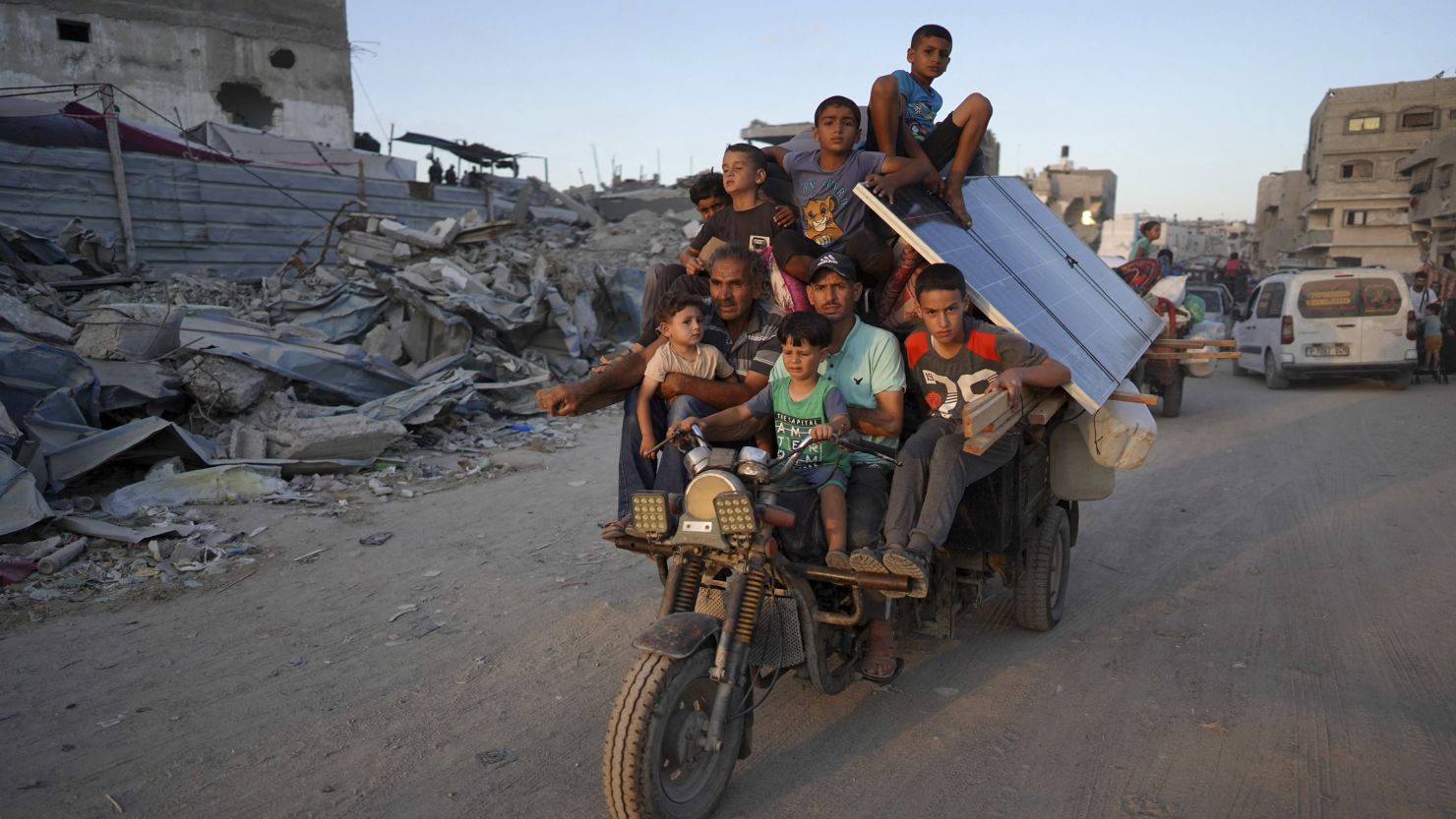
Residents have expressed their alarm at the sudden evacuation order, describing a sense of fear and uncertainty as they prepare to leave their homes. Many families are now seeking refuge in safer areas, while others are left grappling with the potential for displacement and the loss of their belongings. Local officials have urged the community to heed the warning, emphasizing the importance of prioritizing safety amid the escalating tensions.
The situation in southern Lebanon has been exacerbated by the recent escalation of violence between Israel and militant groups, particularly in light of ongoing conflicts in the region. The ceasefire, which was welcomed by many, has proven fragile, as sporadic exchanges of fire continue to be reported. The Israeli military has indicated that its operations will be targeted and focused on neutralizing threats to its national security.
Humanitarian organizations have raised concerns about the impact of military actions on civilians, urging all parties to exercise restraint and protect non-combatants. The potential for civilian casualties and the destruction of infrastructure are significant worries as military operations intensify.
In response to the evacuation order, local community leaders are mobilizing resources to assist those displaced by the conflict. Efforts are being made to provide shelter, food, and medical assistance to affected families, while residents are urged to stay informed about developments in the situation.
As tensions continue to rise, the hope for a sustainable peace remains elusive. The international community is closely monitoring the situation, with calls for dialogue and a return to negotiations to address the underlying issues that have fueled the conflict. The safety and well-being of civilians in the region remain a top priority, as families navigate the challenges posed by the ongoing unrest.