Israel’s Upcoming Election: Leadership Change but No Shift in Iran Policy
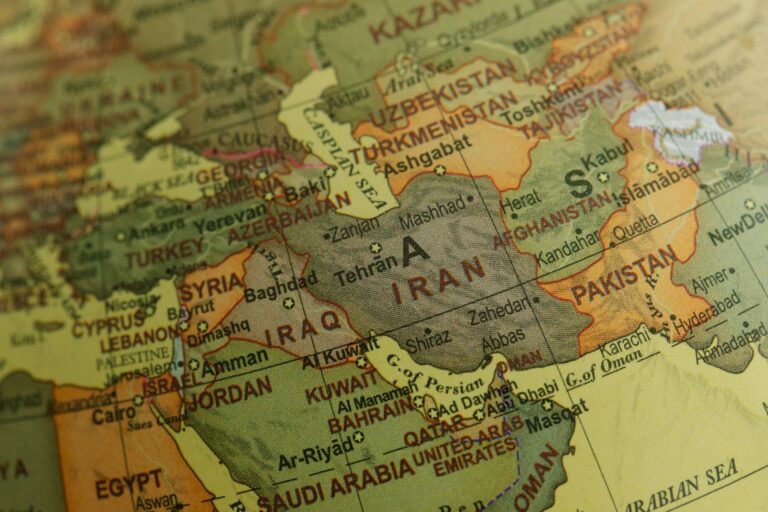
As Israel prepares for its elections next week, analysts suggest that while a change in leadership may be on the horizon, the country’s approach toward Iran and its broader conflict dynamics are unlikely to alter significantly. The prevailing view among regional policymakers is that Iran will continue to be perceived as Israel’s primary adversary, and military action will remain the cornerstone of its defense strategy.
The backdrop for this election is marked by the violent events of October 7, 2023, when Hamas launched attacks on several southern Israeli communities. This incident has not only escalated tensions but also reinforced existing perceptions within Israel regarding threats from militant groups and neighboring countries. The ramifications of these attacks are shaping the political landscape, making it clear that security concerns will dominate the agenda regardless of who emerges victorious in the elections.
Many analysts argue that the Israeli public is likely to prioritize strong security measures over diplomatic overtures towards the Palestinians or other regional players. The perception that military strength is the most effective means of ensuring national security has become deeply entrenched, particularly in light of the ongoing conflicts in Gaza and Lebanon, as well as the complex dynamics involving Iran.
Furthermore, the notion of Palestinian statehood is viewed as increasingly distant. The prevailing sentiment among Israeli leadership, shaped by recent conflicts and historical precedents, suggests that any significant progress toward a two-state solution is unlikely in the near future. This assessment is echoed by various political factions within Israel, which often prioritize military strategies and security concerns over diplomatic solutions.
The Israeli elections are also taking place against a backdrop of increasing regional tensions, including ongoing hostilities with Hamas and Hezbollah, as well as growing concerns about Iran’s influence in the region. Regional analysts predict that regardless of the election outcome, Israel’s policies toward Iran will remain steadfast, focusing on containment and deterrence rather than engagement.
In addition, the potential for new leadership does not seem to promise a shift in the military-first approach that has characterized Israeli policy for years. Political candidates are likely to emphasize their commitment to national security, which may further entrench the current approach rather than inspire a new diplomatic direction.
In summary, while Israel’s upcoming elections may bring changes in leadership, the overarching strategies regarding Iran and the Palestinian territories are expected to remain consistent. The events of October 7 have solidified the belief that military power is essential for Israel’s security, leaving little room for optimism about future diplomatic resolutions in the region. As the political landscape evolves, the implications for peace and stability in the Middle East will continue to be closely scrutinized by both local and international observers.