Javier Bardem Reflects on Changing Narratives Surrounding Gaza Conflict
Spanish actor Javier Bardem, renowned for his roles in films such as “No Country for Old Men,” has recently spoken out about the evolving perceptions of the ongoing conflict in Gaza. In an interview with AFP, Bardem expressed that he is experiencing a surge in professional opportunities, a trend he attributes to a shift in the narrative surrounding the situation in the region.
Bardem, who is known for his activism, has been vocal in his stance against the violence in Gaza, particularly in light of the recent escalations. He emphasized that despite facing criticism for his views, he continues to receive an increasing number of roles in the film industry. “I’m getting more work than ever,” he remarked, suggesting that there is a growing acceptance of diverse viewpoints on contentious issues like the Israeli-Palestinian conflict.
His commitment to advocacy was notably highlighted during the Academy Awards ceremony in February, where he utilized his platform to speak out against war and promote a message of peace. While presenting the award for Best International Feature Film, Bardem asserted, “No to war and a free Palestine,” a statement that resonated with many viewers and sparked discussions about the responsibilities of public figures in addressing global issues.
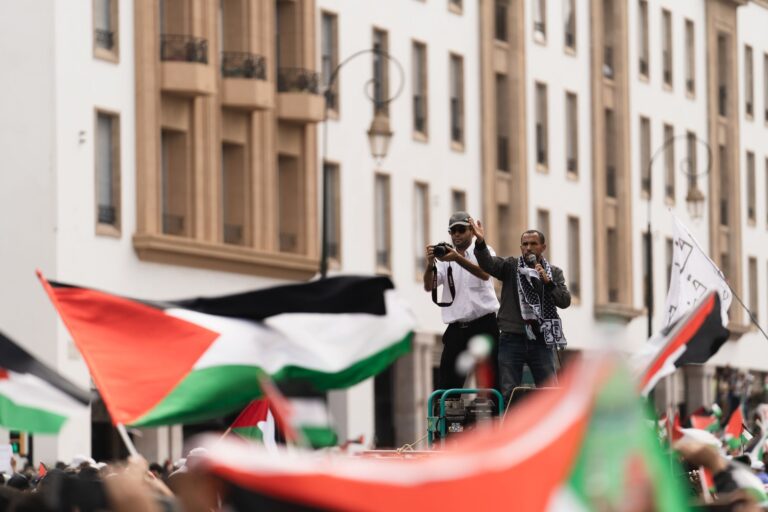
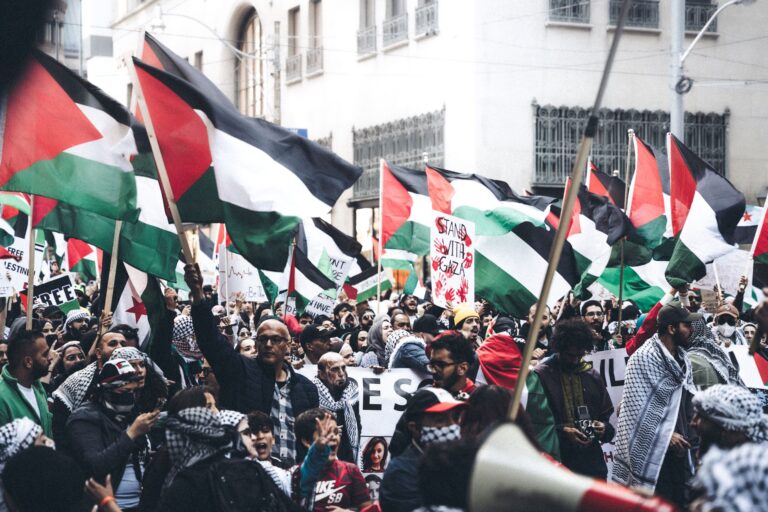
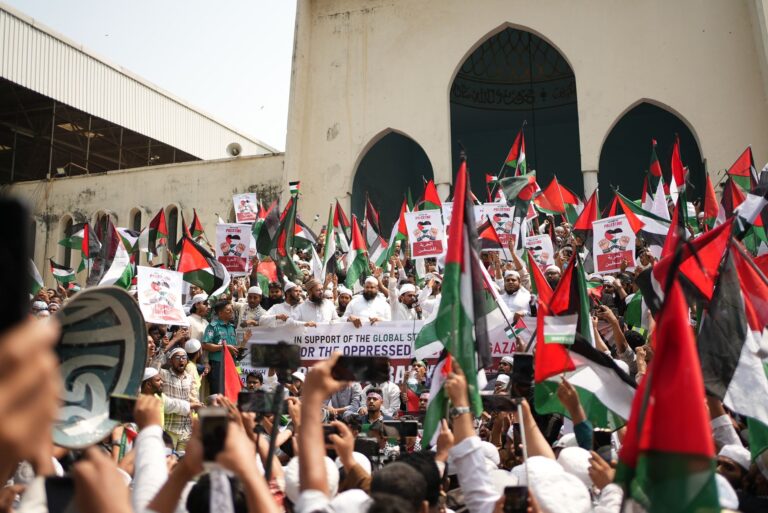
Bardem’s remarks come at a time when public sentiment around the Gaza conflict appears to be shifting. Many observers note that social media and increased awareness have led to more widespread discussions about the humanitarian crisis faced by Palestinians. This changing landscape is influencing how celebrities and public figures engage with political issues, often leading to greater support for those who take a stand.
As a prominent figure in the film industry, Bardem’s activism highlights the role of artists in shaping public discourse. His recent experiences suggest that audiences may be more receptive to messages of solidarity and peace, particularly in the context of humanitarian crises. This potential shift could pave the way for more artists to express their views on global conflicts without fear of professional repercussions.
Bardem’s comments serve as both an indicator and a reflection of the changing narrative surrounding the Gaza conflict. As discussions continue to evolve and more individuals advocate for peace and justice, it remains to be seen how this will affect public opinion and policy in the long term. The hope for a peaceful resolution in the region remains a priority for many, including influential voices like Bardem, who are using their platforms to call for change.