Journalists Gather in Islamabad for U.S.-Iran Talks, Left in the Dark
A significant gathering of journalists from around the globe has convened in Islamabad, where Pakistani authorities have transformed a prominent convention center into a media hub for crucial discussions aimed at addressing the ongoing conflict in the Middle East. The event marks a rare opportunity for the press to cover high-stakes negotiations between the United States and Iran, yet the atmosphere is overshadowed by limited access and a lack of information.
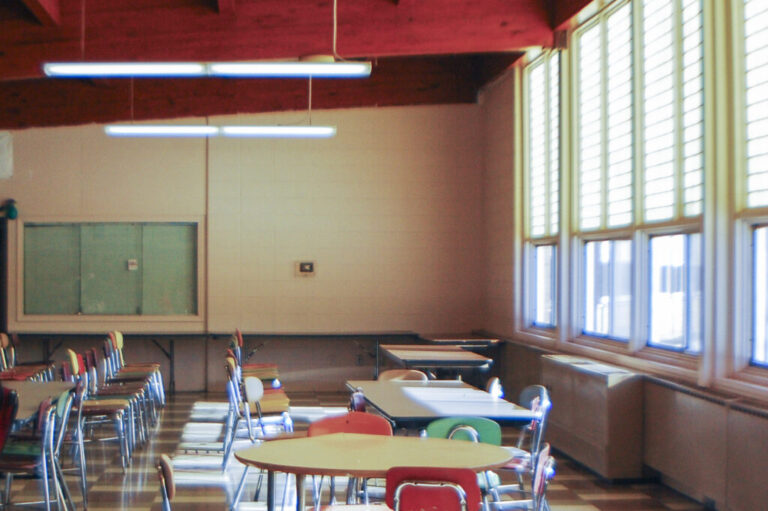
As the negotiations commenced behind closed doors just half a kilometer away, reporters found themselves sidelined. Despite the anticipation surrounding the talks, journalists were restricted from attending the sessions, leaving them to wait in the media center without any official briefings or updates on the discussions taking place. This arrangement has sparked frustration among the media, who are eager to provide coverage of the talks and inform their audiences about potential developments.
While waiting, journalists were treated to amenities designed to create a welcoming environment. They enjoyed expertly brewed coffee, with a special blend playfully named “Brewed for Peace,” accompanied by live performances of Eastern folk music. Despite these comforts, the absence of substantive information left many reporters feeling disconnected from the very negotiations they were there to cover.
The talks signify a pivotal moment in international diplomacy, as both the U.S. and Iran seek to navigate a complex landscape marked by longstanding tensions. As such, the lack of transparency during this event raises concerns about the impact on public understanding and discourse surrounding these critical discussions.
The Pakistani government has placed a strong emphasis on hosting the talks, utilizing the opportunity to showcase its role as a mediator in regional conflicts. However, the limited media access may hinder the overall impact of the negotiations, as journalists play a crucial role in disseminating information and shaping public perception.
As the negotiations continue, the media’s desire for engagement remains high. Journalists are calling for greater access to information and opportunities to ask questions, emphasizing the importance of transparency in diplomacy. With global attention focused on the outcome of these discussions, the need for clear communication and updates from the negotiating parties is more pressing than ever.
While the journalists await further developments, the hope remains that the talks will yield positive results and pave the way for lasting peace in the region. As discussions unfold, the role of the media in reporting on these critical issues will be vital in fostering understanding and dialogue among communities affected by the conflict.