Kremlin Warns of Escalating Tensions in the Middle East
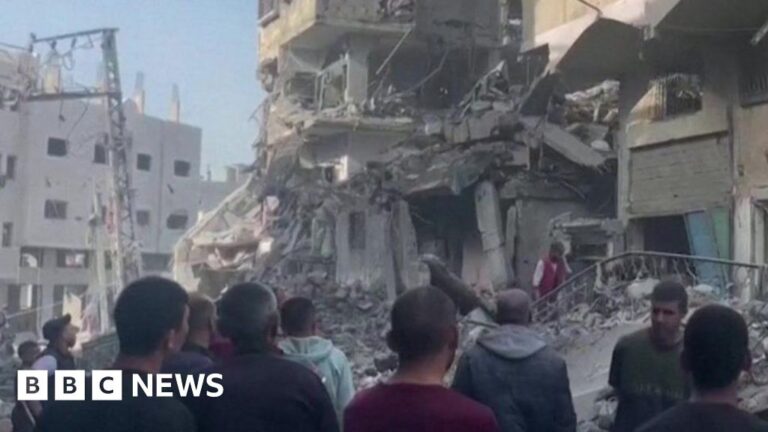
In a stark assessment of the ongoing conflict in the Middle East, the Kremlin has declared that the region is experiencing unprecedented turmoil, attributing this instability to recent military actions by the United States and Israel against Iran. Russian officials emphasized that the situation is deteriorating both in geographical scope and economic ramifications, characterizing the entire region as “on fire.”
The comments from the Kremlin come amid heightened tensions following a series of military engagements, which have raised concerns over regional security and the potential for broader conflict. Russian spokespersons have expressed alarm over the implications of U.S. and Israeli operations, warning that these aggressions could lead to a significant escalation in hostilities, affecting not only Iran but also its neighboring countries.
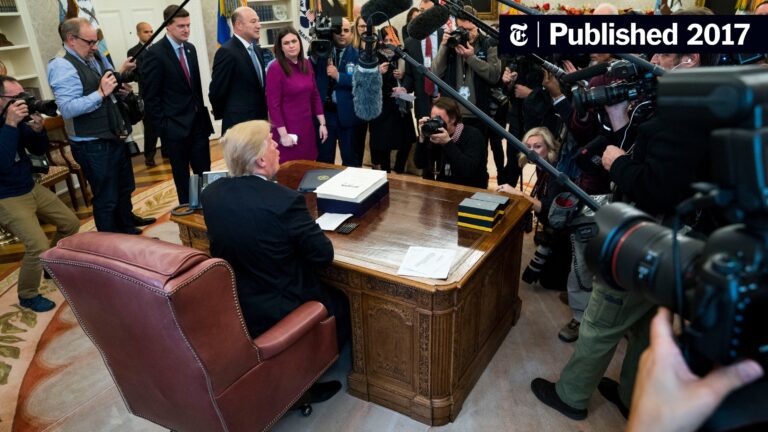
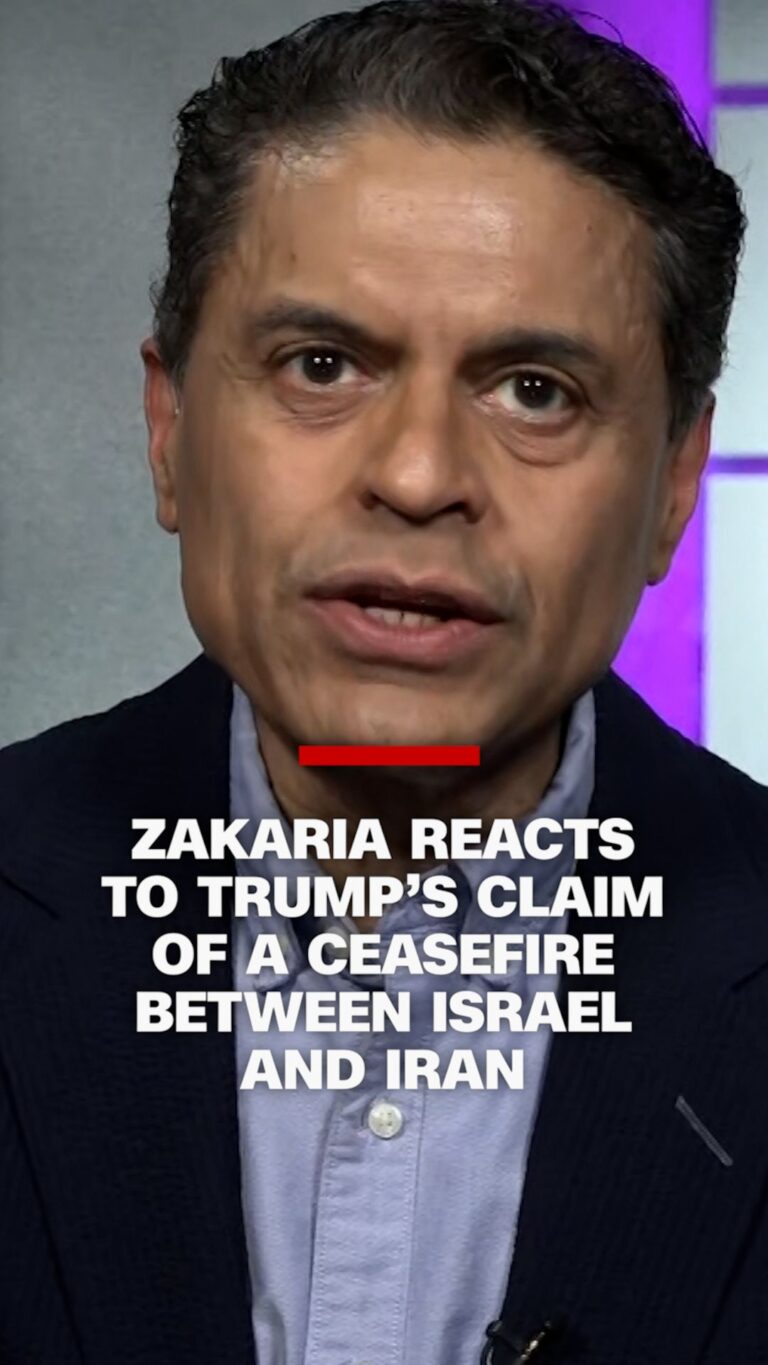
In a related development, U.S. President Donald Trump issued a provocative statement via social media on Easter Sunday, threatening to target critical infrastructure in Iran, including power plants and bridges, should the Iranian government fail to reopen the vital Strait of Hormuz. This strait is a crucial maritime route for global oil shipments, and any disruption could have severe economic consequences worldwide.
The Kremlin’s remarks reflect a growing unease in Moscow regarding the U.S. military strategy in the Middle East, particularly as it pertains to Iran, a key ally of Russia. Russian analysts have warned that continued military pressure from the U.S. could provoke a stronger response from Iran, potentially igniting a wider regional conflict that could draw in various nations and non-state actors.
The geopolitical landscape in the Middle East remains precarious, with various factions and countries closely monitoring developments. Countries in the region are bracing for the fallout from escalated military actions, as both economic and humanitarian consequences could unfold. The Iranian government has vowed to defend its sovereignty and respond to any attacks, further complicating the already tense situation.
As the international community watches these developments, calls for diplomatic solutions are growing louder. Many observers argue that dialogue and negotiations are essential to de-escalate tensions and avert a potential crisis that could have far-reaching implications for global stability.
In summary, the Kremlin’s warning about the volatile situation in the Middle East underscores the urgent need for a reassessment of military strategies and a renewed focus on diplomatic efforts to ensure peace and security in the region. As the situation evolves, it remains critical for affected nations and their allies to seek paths toward resolution, prioritizing dialogue over aggression.