Lebanese Christians Observe Easter with a Focus on War-Affected Southern Villages
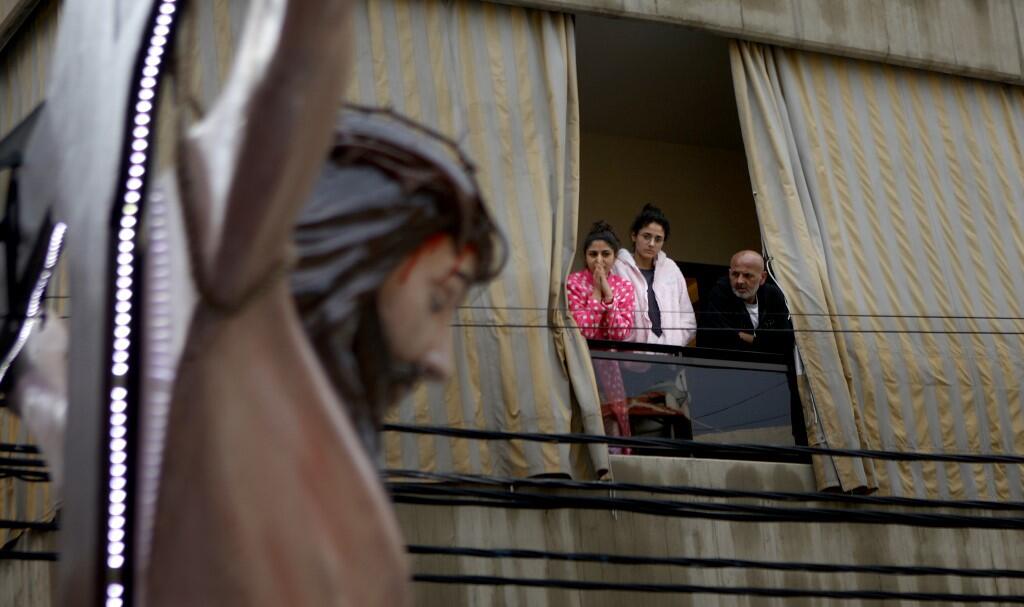
Lebanese Christians commemorated Easter Sunday with a poignant emphasis on solidarity for the communities in southern Lebanon, which have been severely impacted by ongoing conflicts between Israel and Hezbollah. This year’s observances resonated deeply within the faithful, as many turned their prayers and hopes toward the villages enduring hardship due to the fighting.
During the Easter service at a church in Jdeideh, a northern suburb of Beirut, parishioners were reminded of the plight of those in the south. Jenny Yazbek al-Jamal, a 55-year-old parishioner and choir leader, highlighted the communal spirit that characterized this year’s celebrations. “This year’s celebrations were dedicated to the people in the south,” she stated, reflecting the shared sense of empathy among attendees.
Al-Jamal, who has family residing in the affected areas, expressed a profound connection to the struggles of those living under the shadow of conflict. “I feel like I am one of them,” she remarked, emphasizing the personal impact of the ongoing violence. Her sentiments echoed the thoughts of many in the congregation, who felt a collective responsibility to acknowledge and support their fellow Lebanese citizens facing adversity.
The Easter services, traditionally a time of joy and renewal, were marked by a somber recognition of the current circumstances. As hymns filled the air, congregants quietly contemplated the ongoing humanitarian crisis unfolding in the southern regions, where daily life has been disrupted by military confrontations. The message of the day transcended mere ritual, morphing into a call for unity and resilience in the face of adversity.
In addition to the challenges faced by Christian communities, al-Jamal pointed out that the conflict affects all ethnic and religious groups in the region. “It’s not only Christian villages suffering in this war,” she noted, illustrating the broader implications of the conflict that extend beyond sectarian lines. This perspective highlights the need for an inclusive approach to peace and recovery, as the consequences of war impact all citizens.
As Easter celebrations concluded, many Lebanese Christians departed with a renewed commitment to advocate for peace and support their compatriots in the south. The call for solidarity resonated deeply, serving as a reminder of the enduring human spirit amid the turmoil. For these communities, the hope for a peaceful resolution remains paramount, as they continue to navigate the complexities of life in a region marked by conflict.