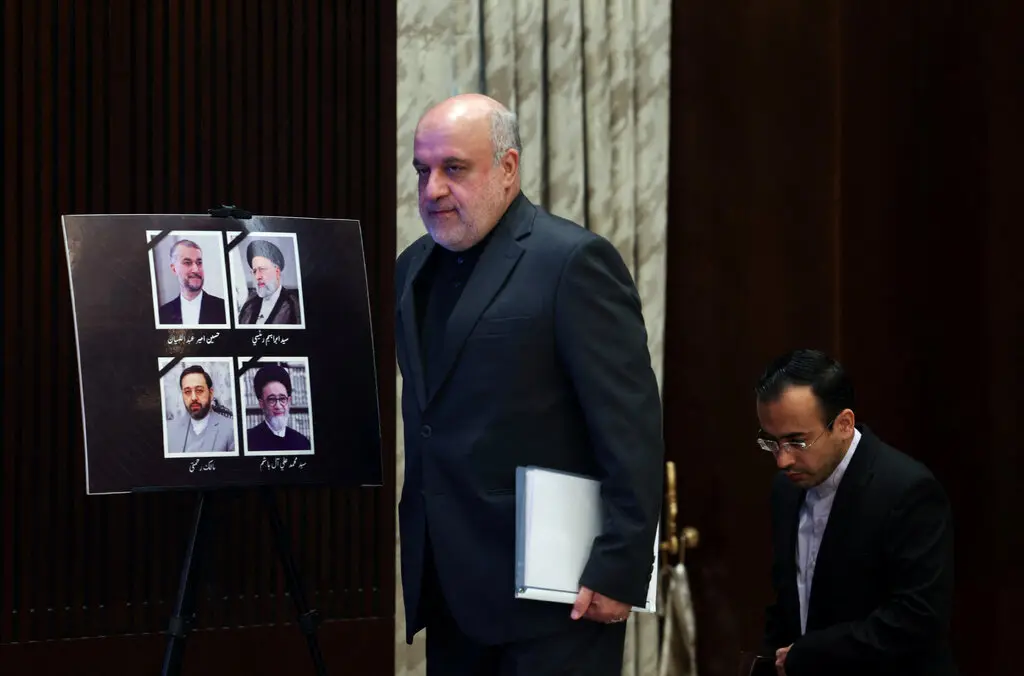
Lebanon Expels Iranian Ambassador Amid Rising Tensions Over Hezbollah
In a significant diplomatic move, Lebanon has revoked the accreditation of Iran’s ambassador to Beirut, marking a notable shift in the nation’s foreign relations as tensions escalate surrounding the ongoing conflict involving Hezbollah. This decision comes amidst increasing concerns about Hezbollah’s role in the Iran war and its implications for Lebanon’s internal stability and regional dynamics.
The Lebanese government’s action against Ambassador Mojtaba Amani reflects a growing wariness within the country regarding the influence of Iran, particularly through its support of Hezbollah, a powerful political and militant group in Lebanon. The expulsion is seen as a response to the rising apprehensions among the Lebanese populace and various political factions about the escalating conflict and its potential consequences for national security.
In recent months, the situation has become more precarious as Hezbollah has intensified its operations and rhetoric in support of Iran, raising fears of Lebanon being drawn deeper into the regional conflict. Critics argue that Hezbollah’s involvement could further destabilize an already fragile Lebanon, which has been grappling with economic turmoil and political strife.
The Lebanese government’s decision to expel the ambassador is also indicative of a broader regional shift, as many countries reassess their ties with Iran amid concerns about its expanding influence. This move may signal a desire within Lebanon to establish a more neutral stance in a complex geopolitical landscape, where factions are increasingly divided along sectarian and ideological lines.
The expulsion has drawn mixed reactions within Lebanon. Some view it as a necessary step towards asserting national sovereignty and distancing the country from external influences. Others, however, express concerns that this action might provoke retaliation from Iran or Hezbollah, potentially escalating tensions further.
As Lebanon navigates this delicate situation, the implications of the ambassador’s expulsion remain to be seen. Analysts suggest that this could lead to heightened diplomatic activity in the region as various actors, including other nations and international organizations, engage in efforts to mediate and de-escalate tensions.
The Lebanese government is under pressure to manage the fallout from this decision while also addressing the pressing social and economic issues facing its citizens. The expulsion of the Iranian ambassador highlights the intricate balance Lebanon must maintain in its foreign policy, as the country seeks to protect its sovereignty while being mindful of the complex regional dynamics at play.
As the situation evolves, Lebanese citizens and the broader Arab-American community will be keenly observing the developments, given the potential ramifications on both domestic and regional fronts.