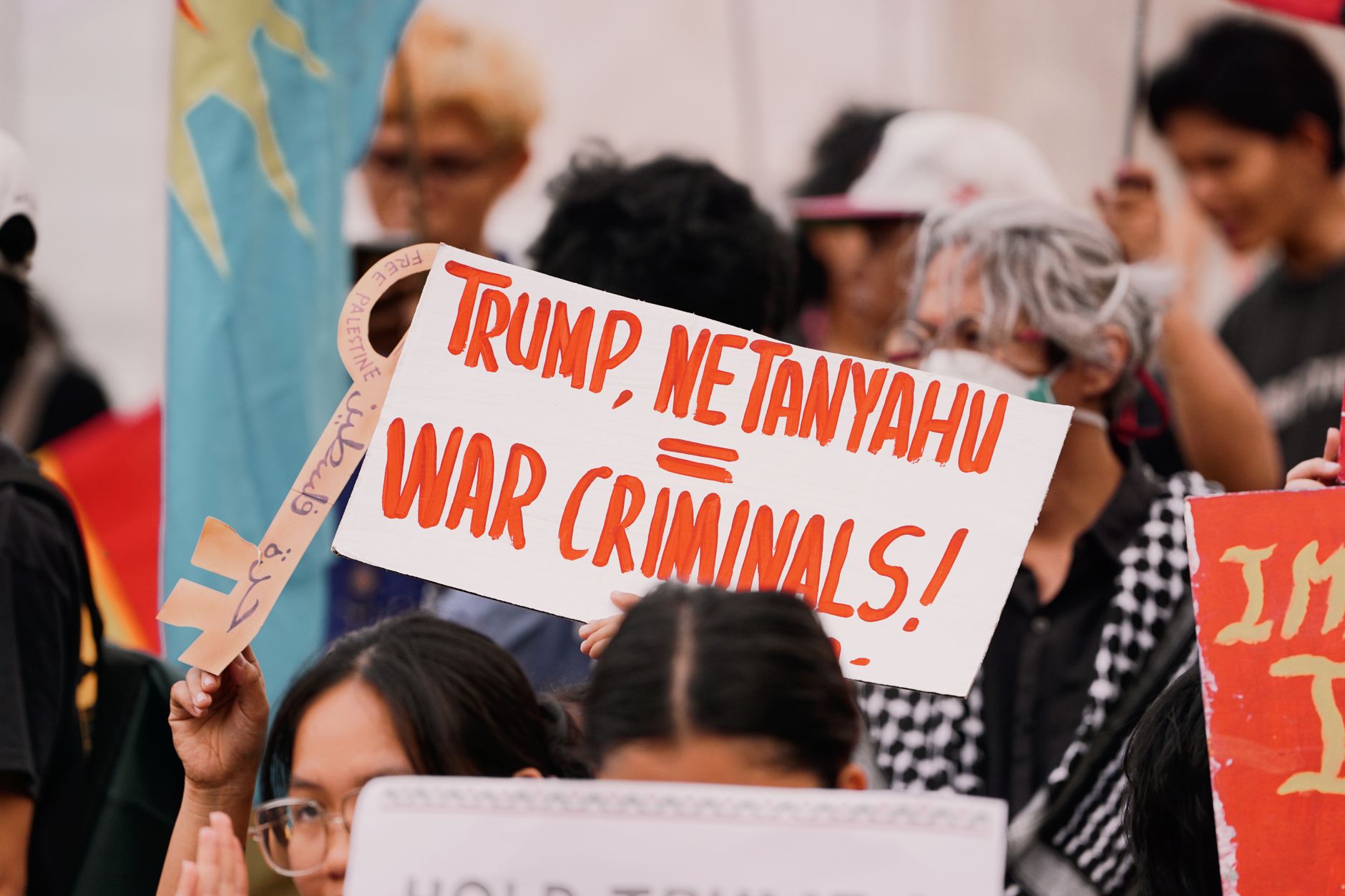
Netanyahu Faces Criticism Over Allegations of Prior Warning About Hamas Attack
Israeli Prime Minister Benjamin Netanyahu is facing mounting criticism from opposition leaders following revelations that the United Arab Emirates (UAE) reportedly warned him about a potential Hamas attack prior to the events of October 7, 2023. This development has raised serious questions about Netanyahu’s leadership and preparedness in the face of escalating regional tensions.
According to a report by Haaretz, which cites excerpts from an upcoming book by its journalists, UAE President Mohamed bin Zayed Al Nahyan had a conversation with Netanyahu approximately ten days before the Hamas assault. During this call, the UAE leader allegedly informed Netanyahu of credible intelligence indicating that Hamas was planning a significant military operation. The report suggests that this warning did not result in any visible preparedness or preventative measures by the Israeli government, raising concerns about the effectiveness of Netanyahu’s administration in safeguarding national security.
In the wake of these revelations, opposition figures have intensified their calls for accountability. They argue that Netanyahu’s failure to act on the UAE’s warning demonstrates a severe lapse in judgment and responsibility. Prominent opposition leaders have labeled Netanyahu unfit to lead, asserting that such a crucial oversight could have dire consequences for the safety of Israeli citizens.
The October 7 attack resulted in unprecedented violence and loss of life, marking a significant escalation in the ongoing conflict between Israel and Hamas. As details continue to emerge regarding the circumstances leading up to the attack, public scrutiny of Netanyahu’s handling of the situation is expected to deepen. Critics emphasize that the government’s response to intelligence and warnings is paramount in ensuring the security of the nation, and any perceived negligence must be addressed.
In response to the allegations, Netanyahu’s office has defended the Prime Minister’s actions, stating that the complexities of regional security and intelligence can often lead to challenges in interpretation and response. However, this explanation has done little to quell the growing dissatisfaction among the populace and political opponents who demand greater transparency and accountability.
As Israel navigates the aftermath of the attack and its implications for national security and international relations, the pressure on Netanyahu is likely to increase. The government’s ability to effectively respond to threats, as well as its accountability for past failures, will remain at the forefront of political discourse in the coming weeks. With the opposition rallying for change, the current political climate suggests a pivotal moment for Israel’s leadership and its approach to regional security challenges.