Netanyahu Orders Expansion of Security Buffer Zone in Southern Lebanon
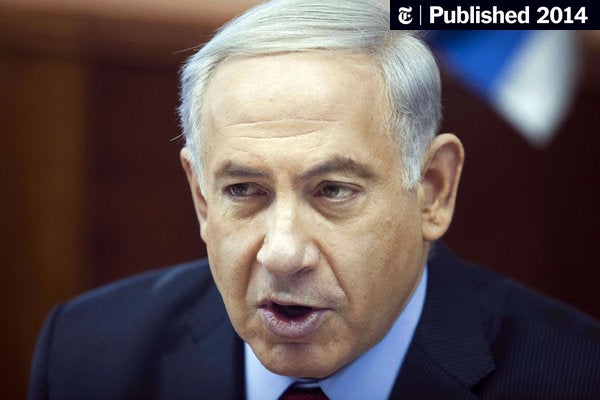
Israeli Prime Minister Benjamin Netanyahu announced on Sunday his decision to extend the current security buffer zone in southern Lebanon, signaling a strategic shift in Israel’s approach to security in the northern region. In a video statement released from the Northern Command, Netanyahu emphasized his commitment to fundamentally altering the security landscape in this area.
The Prime Minister’s directive aims to enhance Israel’s defensive posture amid ongoing tensions along the Israeli-Lebanese border. The expansion of the security buffer zone is intended to create a more secure environment for Israeli citizens living in proximity to the border, particularly given the history of cross-border incidents and hostilities with militant groups operating in Lebanon, notably Hezbollah.
Netanyahu’s announcement comes at a time of heightened concern over regional stability, with various geopolitical factors influencing security dynamics. The Israeli government has increasingly viewed the need for proactive measures to safeguard its northern borders, particularly following recent escalations in violence and rhetoric from groups opposed to Israel’s existence.
The security buffer zone has been a contentious issue, as it involves not only military considerations but also the implications for local populations on both sides of the border. While Israel aims to protect its territory and citizens, the expansion of such zones can lead to increased tensions and unrest among Lebanese communities, who may perceive these actions as encroachments on their sovereignty.
Netanyahu reaffirmed that the Israeli military will be tasked with implementing this expansion efficiently and effectively. He stated that the objective is to ensure a significant shift in the current security situation, indicating a potential escalation in military readiness and operations in the region. This move reflects a broader strategy by the Israeli government to adapt to changing security threats, particularly in light of Iran’s influence in Lebanon and its support for Hezbollah.
The response from Lebanon and the international community remains to be seen, as such military measures could provoke reactions from both state and non-state actors operating in the region. The Lebanese government has historically condemned Israeli military actions, and Hezbollah has vowed to defend Lebanese territory against any perceived aggression from Israel.
As the situation develops, it will be crucial for observers to monitor the implications of this decision on regional stability, the balance of power along the Israel-Lebanon border, and the potential for renewed conflict. Netanyahu’s announcement marks a significant step in Israel’s security strategy, one that could have lasting repercussions for the delicate peace in the area.