Netanyahu Visits Occupied Southern Lebanon, Asserts Israel’s Continued Presence
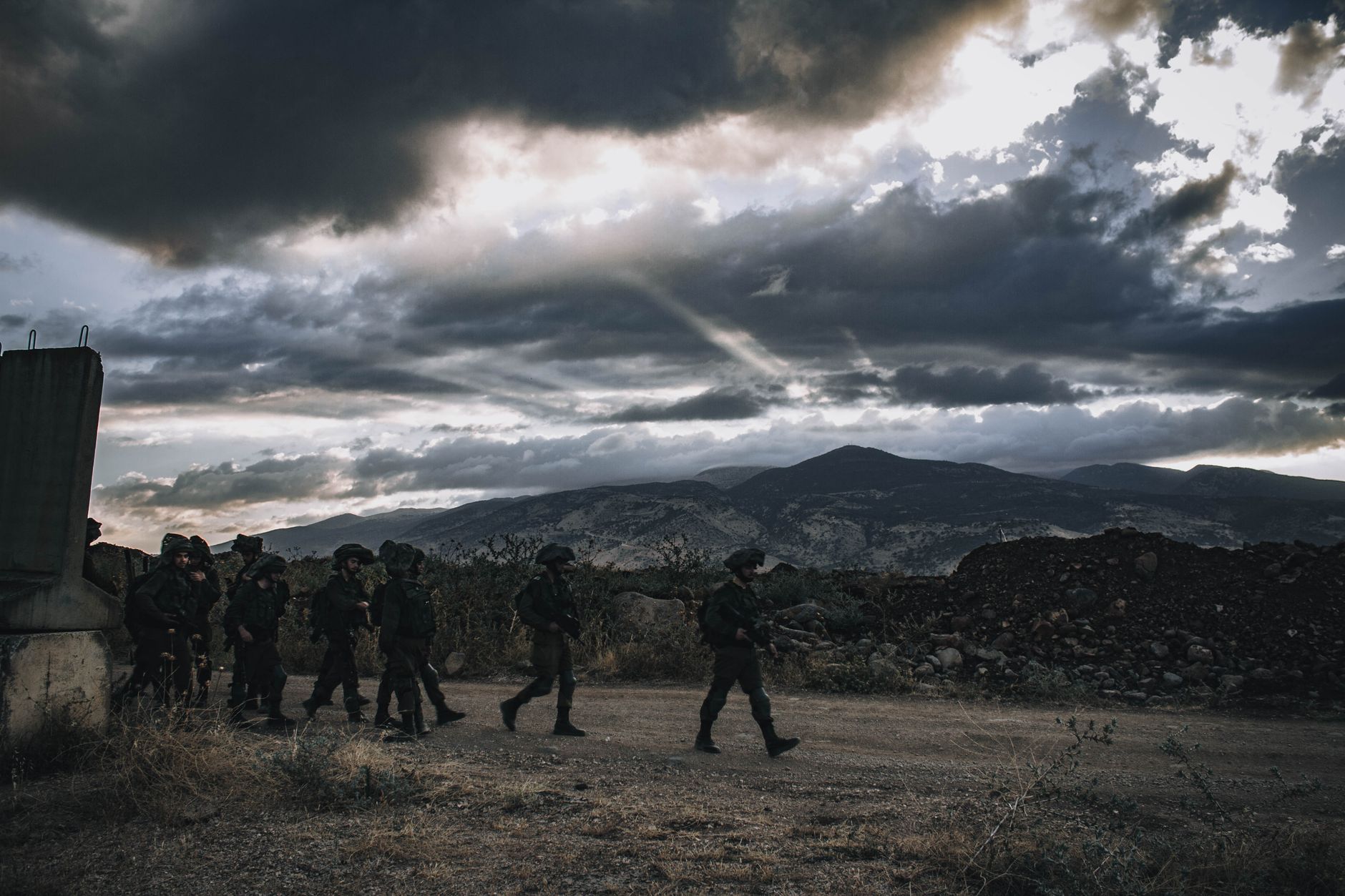
Israeli Prime Minister Benjamin Netanyahu made a significant visit to southern Lebanon, a region that has been under Israeli military occupation, reinforcing Israel’s stance on its presence in the area. During his visit, Netanyahu addressed Israeli soldiers, emphasizing that Israel would not withdraw from southern Lebanon as long as threats from Hezbollah, the Iran-backed militant group, persist.
This visit marks Netanyahu’s first trip to the occupied territory following a recent security agreement reached between Israel and Lebanon, which was mediated by the United States. The agreement, finalized just days prior, stipulates that Israel will transfer control of two specific areas to the Lebanese army. Despite this diplomatic progress, Netanyahu’s comments indicate a strong commitment to maintaining Israel’s military presence in the region, citing ongoing security concerns.
Netanyahu highlighted the strategic importance of the Israeli Defense Forces (IDF) in countering potential threats from Hezbollah, which he described as a significant challenge to Israel’s security. He stated, “As long as Hezbollah remains armed and continues its activities, we will maintain our presence to protect our citizens and ensure stability in the region.” His remarks reflect a broader narrative within Israeli leadership that prioritizes national security in the face of perceived threats from Hezbollah, particularly in light of the group’s substantial military capabilities.
While the recent agreement represents a step toward reducing tensions between the two nations, Netanyahu’s visit and statements underline the complexities of the Israeli-Lebanese relationship, which has been fraught with conflict for decades. The presence of Israeli forces in southern Lebanon has been a contentious issue, with calls for a complete withdrawal from various factions within Lebanon and the international community.
In the wake of the agreement, Lebanese officials have expressed cautious optimism, viewing the transfer of territory as a potential pathway to improved security and stability along the border. However, there remains skepticism regarding Israel’s commitment to a full withdrawal, particularly in light of Netanyahu’s assertions. Many Lebanese citizens and officials are keenly aware of the historical context of Israeli military presence and the implications it has for regional dynamics.
As the situation continues to evolve, both Israeli and Lebanese leaders will face the challenge of balancing national security interests with the desire for peace and stability. The ongoing dialogue, influenced by international mediation, will be crucial in determining the future course of relations between the two countries and the broader implications for the Middle East.