OPEC+ Increases Oil Production Quotas Amid Regional Tensions
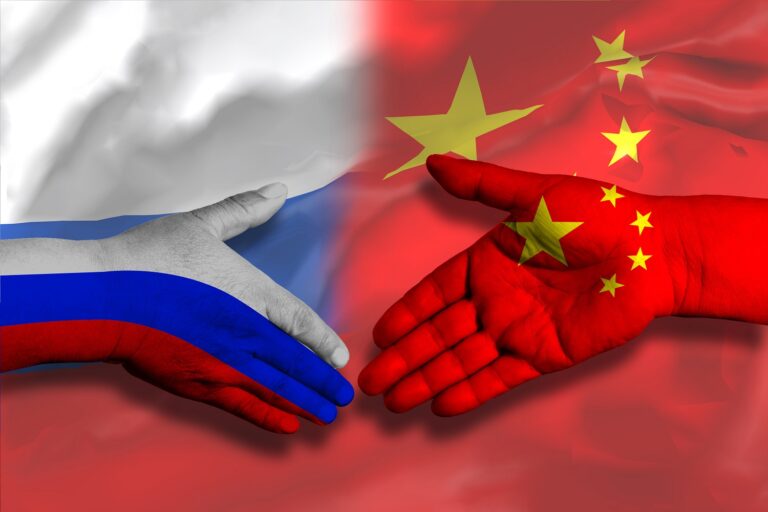
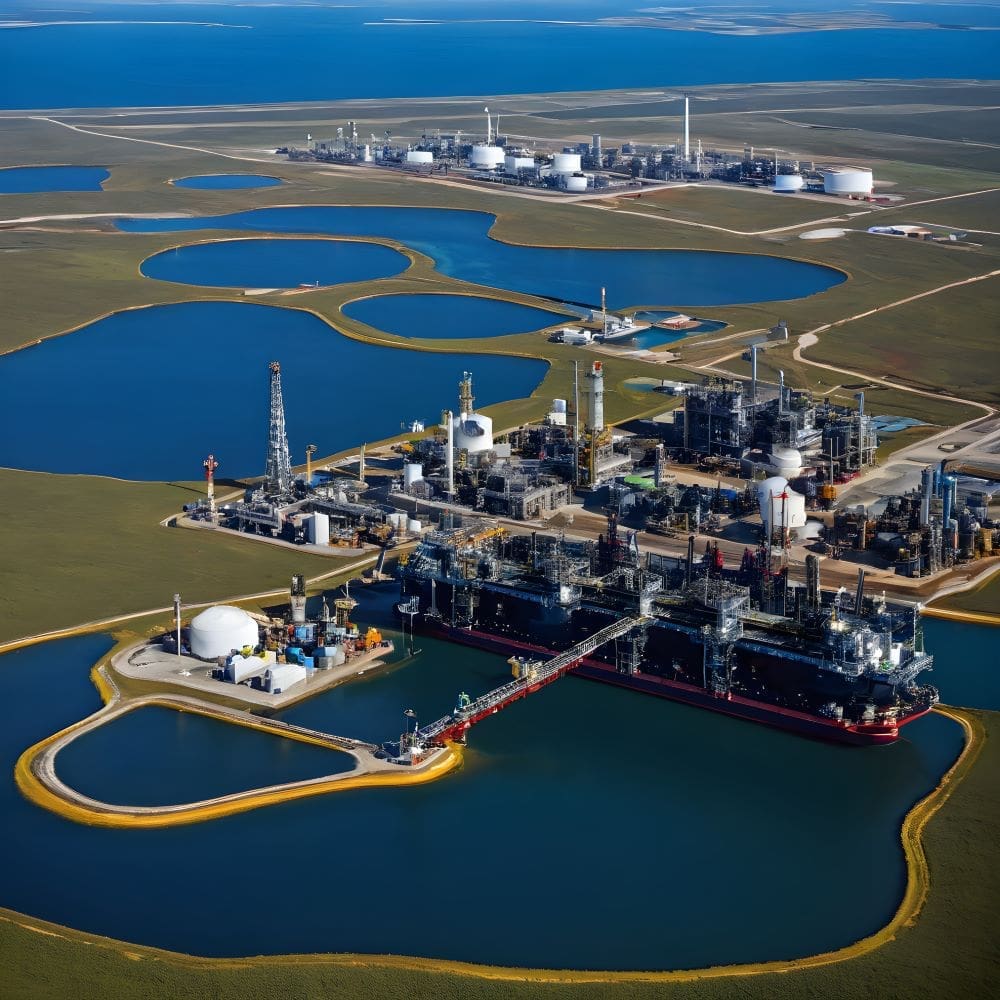
In a recent announcement, the OPEC+ coalition, which consists of major oil-producing nations including Russia and Saudi Arabia, has decided to raise its oil production quotas once again. This move marks the second consecutive month that the group has opted to increase output, with an additional 206,000 barrels per day (bpd) set to be produced starting in May.
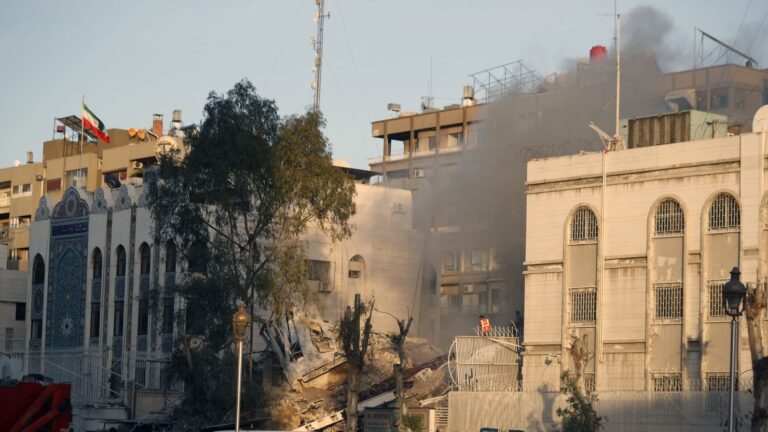
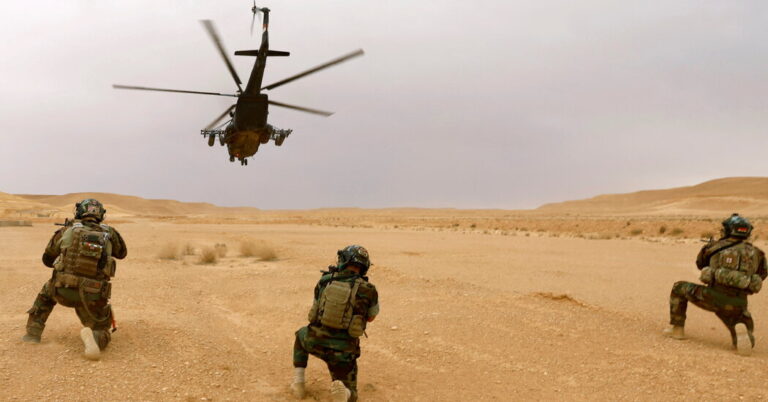
The decision comes at a time of heightened instability in the Middle East, where ongoing conflicts have led to damage of energy infrastructure. OPEC+ officials have cautioned that repairing such facilities is not only expensive but also a lengthy process. This acknowledgment reflects the challenges faced by oil-producing nations, especially those that have been targeted by airstrikes, primarily from Iranian forces.
The increase in production quotas appears to be a strategic response to both rising global demand for oil and the need to stabilize prices amid fluctuating market conditions. By boosting output, OPEC+ aims to ensure a steady supply to meet consumer needs while also navigating the complexities brought about by geopolitical tensions.
Market analysts are closely observing the implications of this increase on global oil prices, which have been influenced by various factors, including supply disruptions and the economic recovery in many regions post-pandemic. The rise in quotas may help alleviate some pressure on prices, but the ongoing conflicts in the Middle East could pose significant risks to these efforts.
Additionally, the coalition has indicated that any further adjustments to production will depend on a variety of factors, including compliance among member countries and the evolving landscape of global energy demands. The recent history of OPEC+ has shown a delicate balance between maintaining production levels and ensuring that market prices remain favorable for both producers and consumers.
As the situation in the Middle East continues to develop, the broader implications for oil markets and energy security are becoming increasingly significant. Stakeholders, including governments, businesses, and consumers, will be watching closely to see how OPEC+ navigates these challenges while aiming to fulfill its production goals.
In summary, the latest decision by OPEC+ to increase oil production quotas serves as a clear indicator of the coalition’s commitment to meeting global energy needs, even in the face of regional instability. The focus now shifts to how these changes will impact the oil market and the potential repercussions of ongoing conflicts in the Middle East on energy supply and pricing.