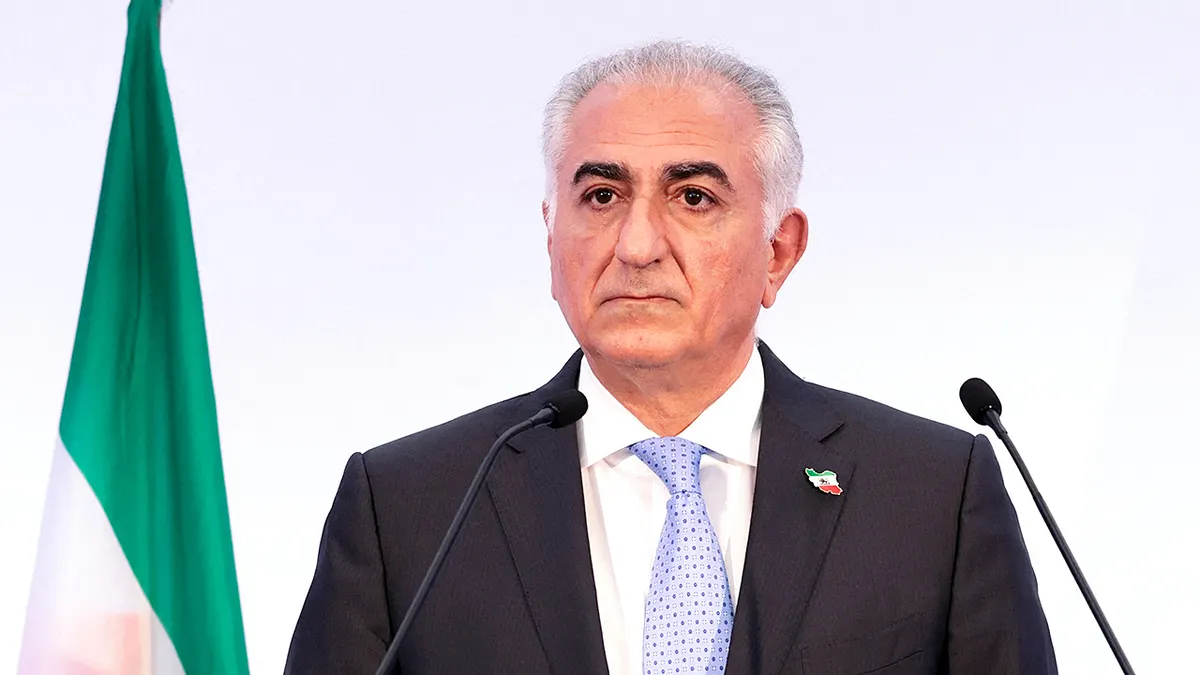
Opposition Leader Pahlavi Urges Caution in Negotiations with Iran’s Current Regime
Reza Pahlavi, a prominent Iranian opposition figure and the son of the last Shah of Iran, has expressed strong reservations about the prospect of negotiating with the current leadership in Iran. Speaking at a gathering in Grapevine, Texas, Pahlavi emphasized that engaging in talks with the existing regime could merely postpone the threat posed by its policies and actions, rather than resolve the underlying issues.
During his address, Pahlavi reiterated his call for the Iranian people to take to the streets in protest against their government. He believes that meaningful change in Iran can only occur if citizens actively challenge the authority of the current leaders, whom he characterizes as increasingly oppressive. Pahlavi’s remarks come at a time when discussions surrounding a potential diplomatic agreement with Iran are intensifying, particularly concerning nuclear negotiations.
Pahlavi’s stance reflects a growing sentiment among some Iranian expatriates and activists, who argue that the regime’s history of human rights abuses and aggressive regional behavior should preclude any form of engagement with its leaders. He contended that any deal forged with the current Iranian administration would likely empower it further, allowing it to continue its controversial practices both domestically and internationally.
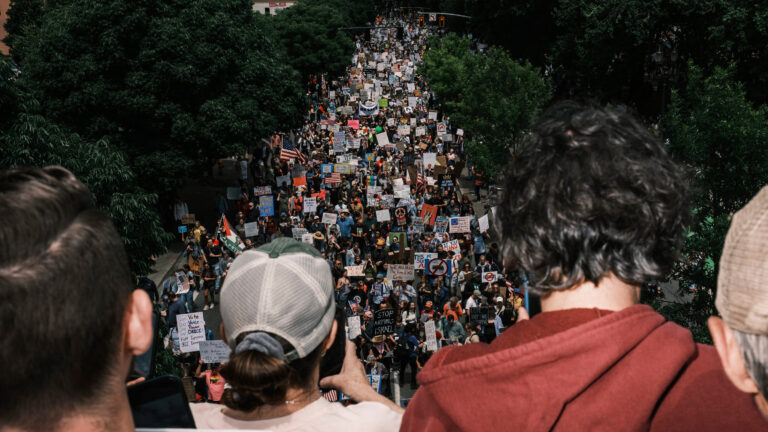
The opposition leader is gaining traction among those who advocate for a more assertive approach to Iranian governance, particularly in light of recent protests that erupted in Iran over economic challenges and political repression. Many activists view Pahlavi as a unifying figure who can rally support against the regime, which has faced significant backlash from its own citizens.
Moreover, Pahlavi’s call for protests aligns with a broader movement among Iranian citizens, particularly the youth, who are increasingly disillusioned with the status quo. The recent unrest has highlighted the demand for greater freedoms and rights, and Pahlavi’s message seeks to galvanize this momentum.
The former crown prince has also outlined his vision for a future Iran, one that embraces democracy, respect for human rights, and a commitment to international norms. He argues that a democratic Iran would not only benefit its citizens but would also contribute to regional stability and security.
As discussions about Iran’s nuclear capabilities and its role in global geopolitics continue, the debate over whether to engage with the current regime remains contentious. Pahlavi’s warnings serve as a reminder of the complexities involved in dealing with a government that many believe is resistant to reform and dialogue.
In conclusion, Reza Pahlavi’s comments resonate with a significant portion of the Iranian diaspora who advocate for a change in leadership and a rejection of negotiations that might legitimize the current regime. His call for renewed protests aims to inspire action among Iranians both at home and abroad, as the struggle for a democratic future for Iran continues.