Pakistan Hosts Diplomatic Talks with Saudi Arabia, Turkey, and Egypt on Middle East Conflict
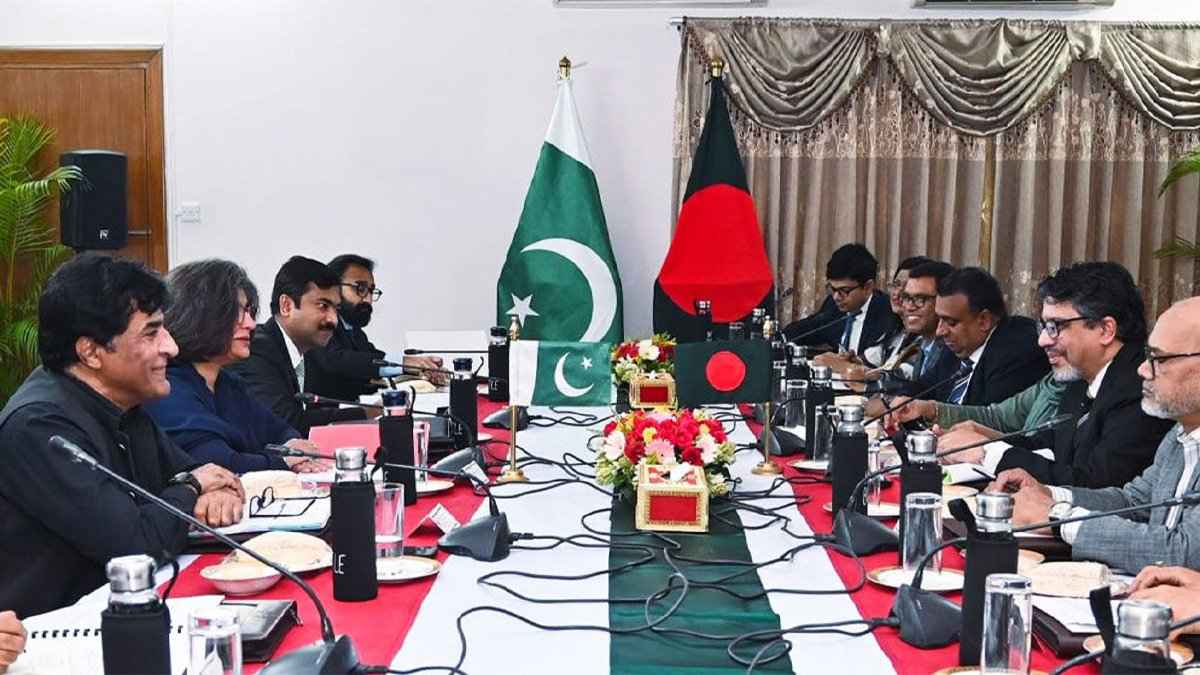
In a significant diplomatic initiative, Pakistan convened a meeting on Sunday involving representatives from Saudi Arabia, Turkey, and Egypt to discuss strategies aimed at resolving the ongoing conflict in the Middle East. The gathering took place in Islamabad and lasted several hours, emphasizing Pakistan’s emerging role as a mediator in the region.
The foreign ministers of the four Muslim-majority nations engaged in extensive discussions, focusing on potential pathways to peace amid escalating tensions. The dialogues come at a time when the ongoing war has drawn international attention and concern, prompting efforts for a collaborative approach to mitigate the crisis.
Pakistan has positioned itself as a crucial intermediary between Iran and the United States, using its diplomatic channels to facilitate communication between the two nations. This role has become increasingly important as the conflict intensifies, with Islamabad acting as a conduit for messages and proposals aimed at de-escalating hostilities.
During the meeting, the foreign ministers underscored the necessity of unity among Muslim countries in addressing the challenges posed by the conflict. They expressed a collective commitment to finding a peaceful resolution and emphasized the importance of dialogue over military action. The ministers also highlighted the humanitarian impact of the war, calling for increased efforts to provide aid and support to those affected by the violence.
Pakistan’s involvement in the talks reflects its long-standing relationships with the participating countries and its strategic interests in promoting stability in the region. Over the years, Islamabad has cultivated diplomatic ties with both Saudi Arabia and Turkey, while also maintaining a complex relationship with Iran. This unique positioning allows Pakistan to potentially bridge gaps and foster discussions that may lead to a ceasefire.
The meeting also addressed broader regional dynamics, with discussions touching upon the geopolitical implications of the conflict and the need for a coordinated response from the international community. The foreign ministers reiterated their commitment to work together and support initiatives that promote peace and security in the Middle East.
As the situation in the region remains fluid, the outcomes of these talks will be closely monitored. The participating nations aim to build on this diplomatic momentum to engage in further discussions, potentially leading to a more comprehensive framework for peace.
With ongoing violence affecting countless lives, the hope remains that collaborative efforts among these key Muslim nations can pave the way for a resolution and contribute to lasting stability in the Middle East.