Pope Leo Urges Global Leaders to Conclude ‘Madness of War’ Amid U.S.-Iran Talks
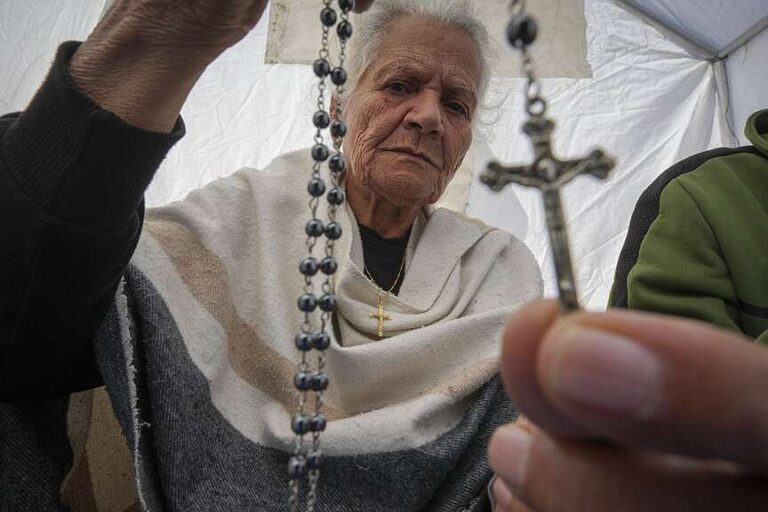
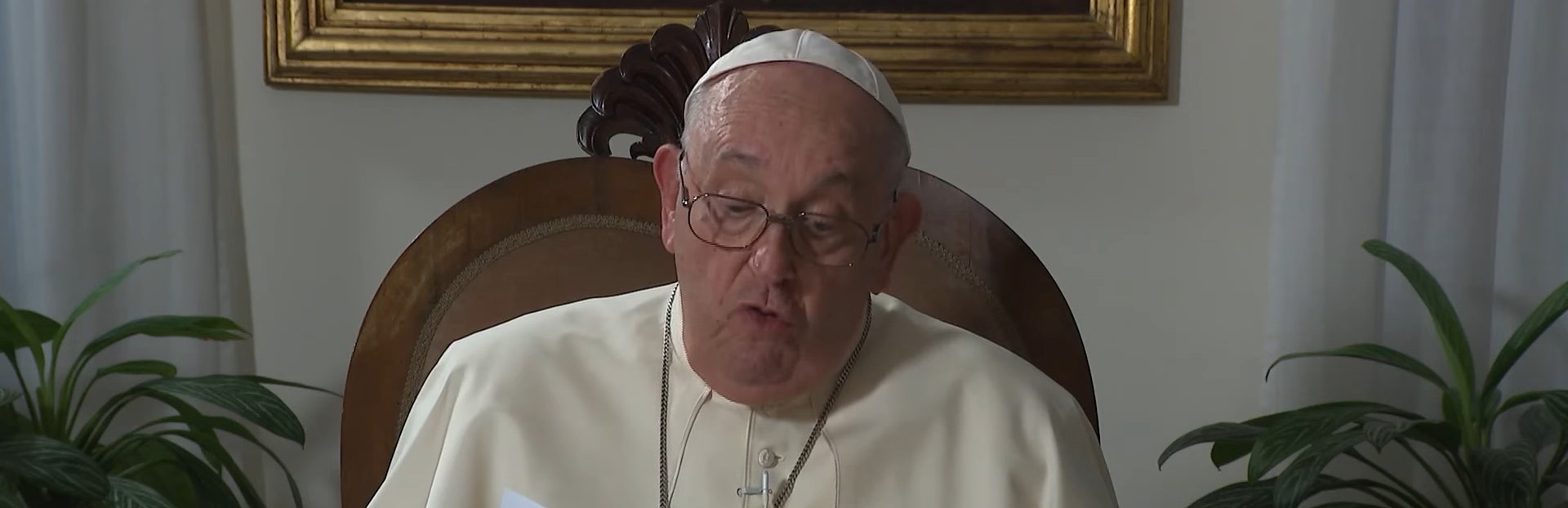
In a heartfelt address at a prayer vigil held in St. Peter’s Basilica, Pope Leo called upon world leaders to bring an end to what he described as the “madness of war.” His remarks came as U.S. and Iranian officials convened in Pakistan to discuss potential resolutions to a conflict that has persisted for six weeks.
During the vigil, which attracted a diverse congregation, Pope Leo articulated his concerns about the ongoing violence and the implications it has for humanity. He emphasized the detrimental impact of war on communities and families, urging leaders to prioritize peace over conflict. The Pope’s comments were notably directed at the troubling trend of utilizing religious rhetoric to legitimize warfare, a practice he condemned as both dangerous and misleading.
The Pope warned against a growing “delusion of omnipotence” that he believes is becoming prevalent in global politics. He described this mindset as increasingly unpredictable and perilous, urging leaders to recognize the shared humanity that transcends national borders and religious affiliations. In his view, the escalation of conflicts fueled by such ideologies poses a significant threat not only to peace but also to the very fabric of society.
The dialogue between U.S. and Iranian representatives in Pakistan is seen as a critical step toward de-escalating tensions. The discussions are aimed at addressing the root causes of the ongoing conflict and exploring avenues for sustainable peace. The Pope’s call for an end to war resonates strongly given the current geopolitical climate, where conflicts often seem to spiral beyond control.
Community leaders and advocates for peace warmly welcomed the Pope’s message. Many expressed hope that his words will inspire action among those in power and encourage a collective effort to resolve disputes through dialogue rather than armed confrontation. The Pope’s appeal serves as a reminder that the quest for peace is a shared responsibility that requires collaboration across nations and cultures.
As the international community watches the developments in U.S.-Iran relations, the Pope’s call to action underscores the importance of prioritizing diplomacy. His plea for compassion and understanding among nations highlights that the pursuit of peace is a universal aspiration, one that is vital for future generations.
In these challenging times, Pope Leo’s message of hope and reconciliation stands as a beacon for those advocating for an end to violence. The hope remains that leaders will heed this call and work together to forge a path toward lasting peace.