President Trump’s Approval Rating Declines Amid Rising Fuel Prices and Ongoing Iran Conflict
Recent polling data indicates that President Donald Trump’s approval rating has dropped to its lowest level since he resumed office, primarily driven by escalating fuel prices and public discontent regarding the military conflict in Iran. According to a four-day survey conducted by Reuters/Ipsos, which concluded on Monday, only 36% of Americans expressed approval of Trump’s performance as president, a notable decrease from 40% in the previous week.
The decline in approval comes at a time when many Americans are feeling the financial strain resulting from rising fuel costs. The polling data reflects a growing concern among the public about the economic implications of the ongoing war, which has prompted widespread debate and criticism. As fuel prices continue to climb, many citizens are voicing their frustrations, linking these increases to the broader geopolitical tensions stemming from the conflict.
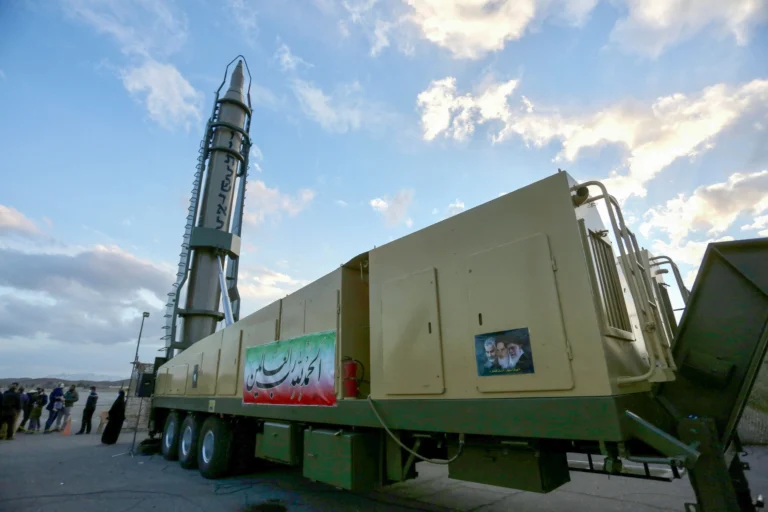
The poll results reveal that nearly two-thirds of respondents disapprove of the president’s handling of the situation in Iran, indicating that the war has fueled dissatisfaction across a significant segment of the population. This disapproval is compounded by the economic impact of the conflict, as rising fuel prices affect everyday expenses for families and individuals nationwide.
In addition to the declining approval ratings, the survey highlights a growing divide among different demographic groups regarding Trump’s leadership. While some segments of the population remain loyal supporters, others are increasingly critical, with disapproval rising particularly among independents and younger voters.
Political analysts suggest that the combination of economic stress and foreign policy challenges could have implications for the upcoming elections. As public opinion shifts, candidates for the upcoming electoral contests will likely need to address these key issues to resonate with voters.
The poll underscores the significant challenges facing the Trump administration as it navigates both domestic and international issues. With a considerable portion of the American public expressing dissatisfaction with the current state of affairs, the administration may need to reassess its strategies in addressing economic concerns and foreign conflicts.
As the situation develops, it remains to be seen how these factors will influence the political landscape in the coming months, particularly as the administration continues to face scrutiny over its handling of both the economy and international relations.