Pro-Palestinian Protesters Receive Sentences for Golden Gate Bridge Traffic Blockade
Seven individuals involved in a pro-Palestinian demonstration that obstructed traffic on the Golden Gate Bridge have been sentenced to 30 days in jail. The sentencing comes after the group was convicted earlier this summer on misdemeanor charges related to the protest, which was held in response to ongoing violence in Gaza and perceived U.S. support for Israel.
The demonstration took place in 2024 and was part of a larger series of protests aimed at raising awareness about the humanitarian crisis in Gaza amidst escalating military actions. The San Francisco jury that heard the case did not reach a unanimous decision on more serious felony conspiracy charges, which has drawn attention to the legal ramifications of such civil disobedience actions.
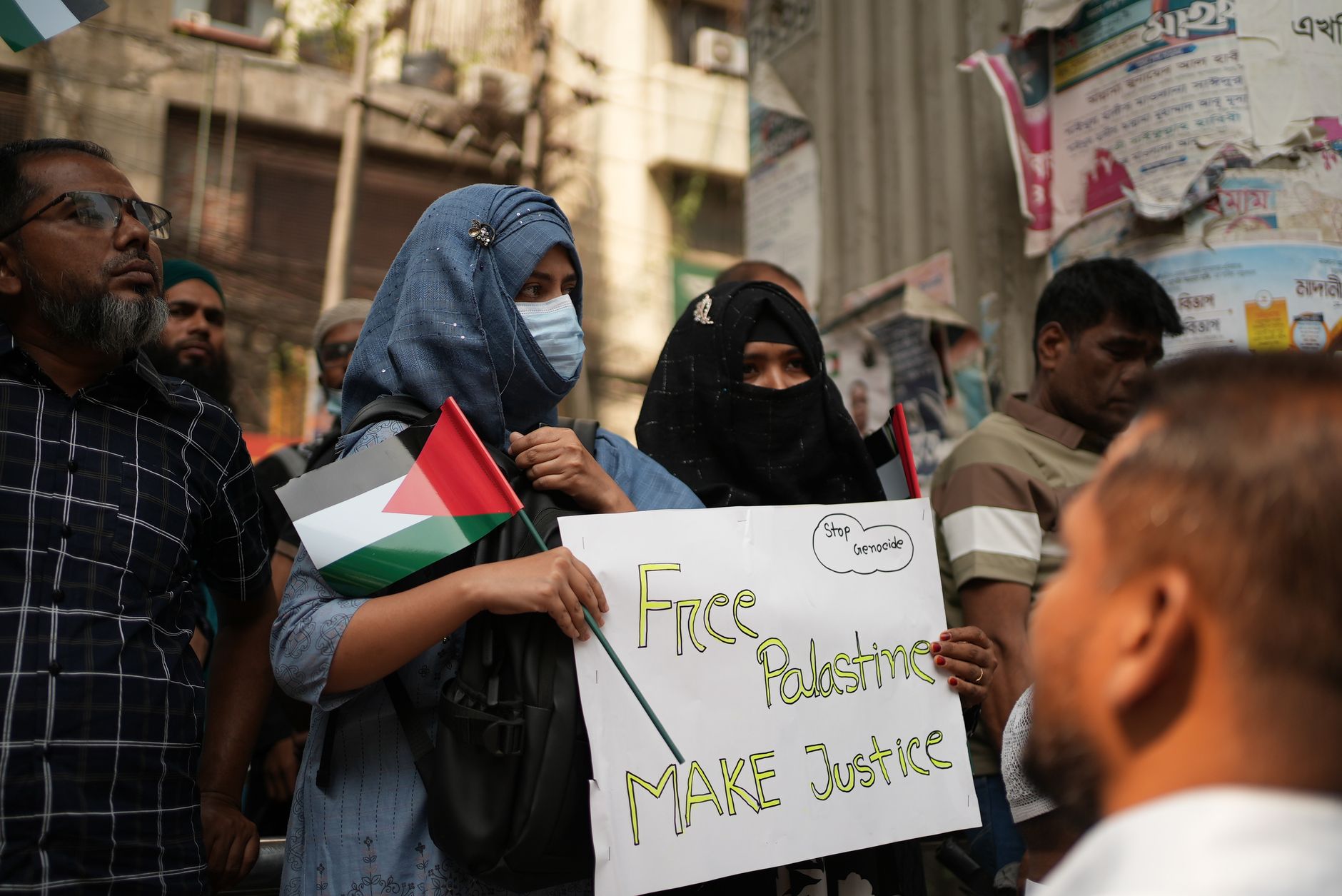
During the trial, defense attorneys argued that the protesters felt a moral obligation to voice their dissent against the destruction caused by Israeli airstrikes in Gaza. They highlighted that the demonstrators aimed to bring attention to the plight of those affected by the conflict and to challenge the political status quo regarding U.S. foreign policy in the Middle East.
The sentences handed down to the protesters have sparked discussions surrounding the balance between free speech and public safety. Supporters of the demonstrators argue that such protests are essential for raising awareness about critical global issues, while critics contend that blocking major thoroughfares can disrupt daily life and public safety.
In the aftermath of the sentencing, many community members and activists have expressed their solidarity with the protesters, suggesting that their actions were necessary to provoke discussion and highlight injustices faced by the Palestinian people. Some have organized follow-up demonstrations and events, emphasizing the need to continue advocating for peace and justice in the region.
The case has also drawn attention to the broader context of protests occurring across the United States, with many individuals and groups mobilizing to express their views on U.S. foreign policy and its implications for the Israeli-Palestinian conflict. As discussions continue, the outcomes of such protests and the legal consequences faced by participants remain a focal point for both supporters and detractors of the movement.
As the situation in Gaza evolves and global attention remains fixed on the region, the actions of these protesters serve as a reminder of the contentious and deeply felt emotions surrounding this long-standing conflict. The dialogue surrounding their sentencing is likely to persist, reflecting the complexities of activism, legal accountability, and the pursuit of social justice.