Protests Erupt in Tunisia as Opposition Demands Change Amid Economic Challenges
In a significant display of dissent, activists and political opponents of President Kais Saied gathered in the capital city of Tunis on Thursday, expressing their dissatisfaction with his leadership and calling for his resignation. The protests reflect a broader sentiment of discontent among Tunisians facing mounting economic difficulties and perceived threats to democratic governance.
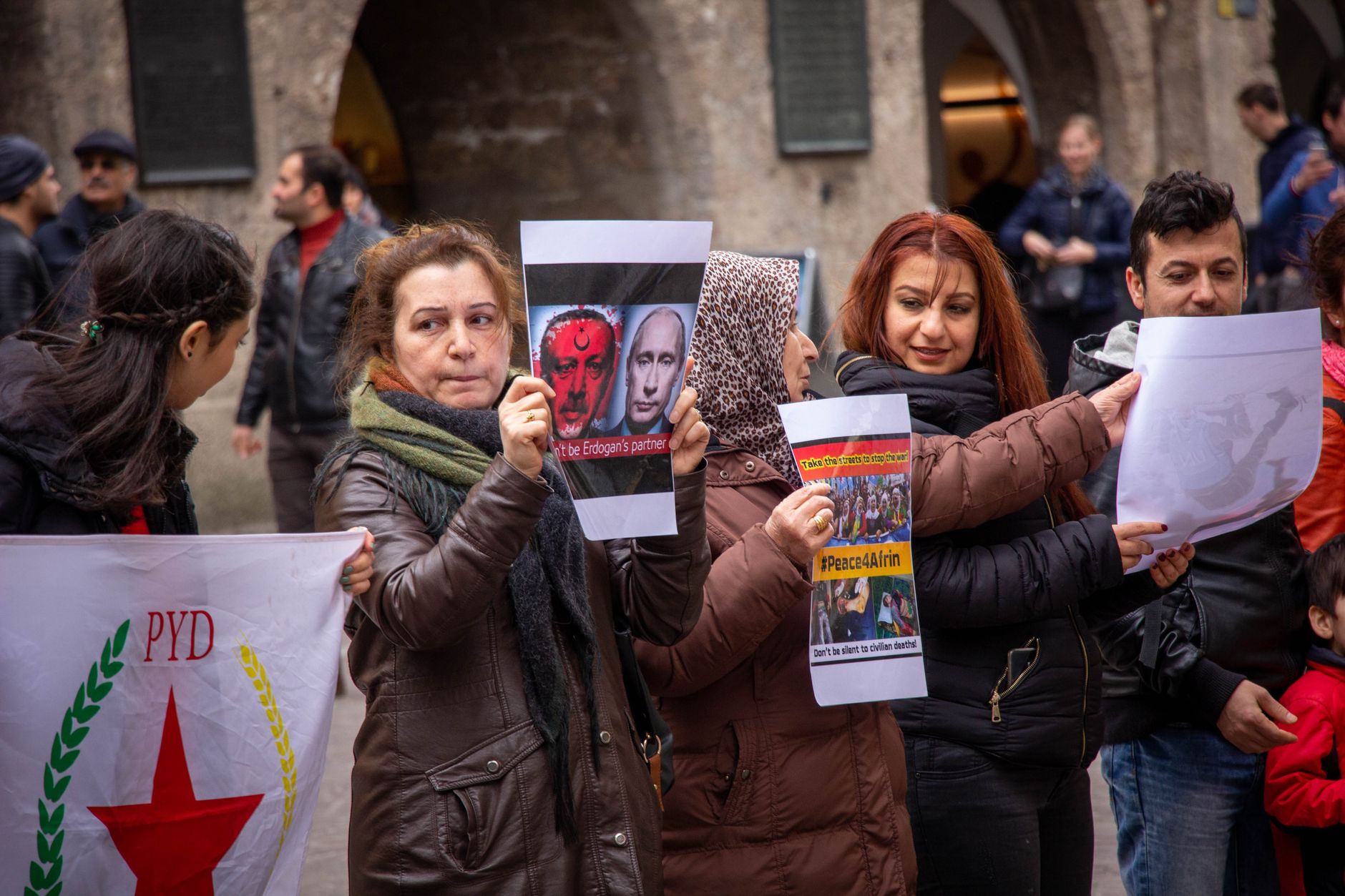
The demonstrators, numbering in the hundreds, voiced their concerns over what they describe as an increasingly authoritarian regime. Many protesters carried banners denouncing “one-man rule” and warned against a potential slide into dictatorship. The ongoing unrest underscores a growing frustration with Saied’s administration, which critics argue has undermined democratic institutions since he assumed power.
Economic struggles have been a central theme in the protests, as many Tunisians grapple with high unemployment rates, rising inflation, and a declining standard of living. The economic crisis has fueled public anger, prompting citizens to take to the streets to demand accountability and change. Protesters are not only advocating for political reforms but are also calling for solutions to alleviate the financial hardships that have affected countless families.
The call for the release of detained opposition figures, activists, and journalists also featured prominently in the demonstrations. Many supporters argue that the current climate stifles dissent and threatens freedom of expression in the country, which had seen a brief period of democratic progress following the 2011 revolution that ousted longtime President Zine El Abidine Ben Ali.
The protests are part of a broader wave of unrest that has been escalating over the past year as President Saied’s policies come under scrutiny. His government has faced criticism for consolidating power and sidelining political opponents, leading to fears about the erosion of the democratic gains made after the Arab Spring.
As the situation continues to develop, many are watching closely to see how the government will respond to the mounting pressure. The opposition is determined to keep the momentum of the protests alive, emphasizing that the fight for democratic governance and economic stability is far from over.
The events in Tunisia serve as a reminder of the ongoing struggles faced by many in the region who seek to balance political freedoms with economic opportunity. The outcome of these protests could have lasting implications for the future of Tunisia’s democracy and its socio-economic landscape.