Rubio Heads to Central Asia Amid Global Tensions
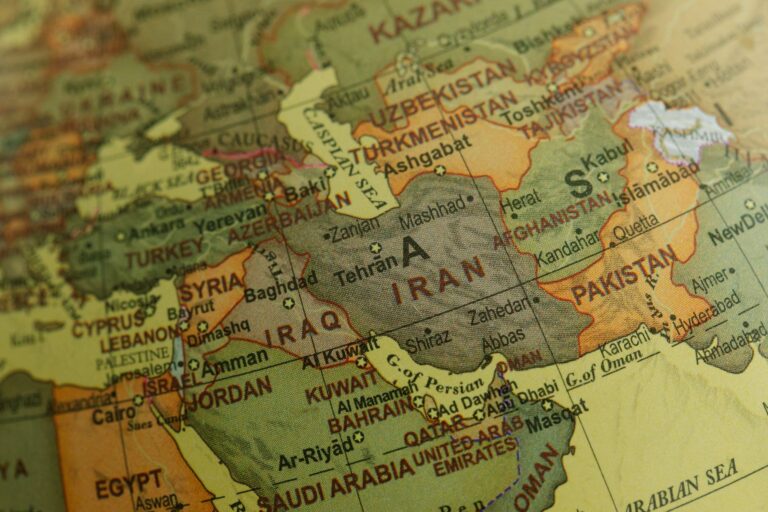
As the conflict in the Middle East escalates and tensions rise in Ukraine, U.S. Secretary of State Marco Rubio is set to embark on a diplomatic mission to Central Asia. His trip, commencing on Sunday, will focus on strengthening ties with the five Central Asian nations that make up the C5+1 group: Uzbekistan, Kazakhstan, Kyrgyzstan, Tajikistan, and Turkmenistan.
Rubio’s visit to Samarkand, a historic city in Uzbekistan, comes at a time when U.S. foreign policy is facing numerous challenges across the globe. The ongoing conflict between Israel and Hamas continues to dominate headlines, drawing international concern and prompting discussions on regional stability. Meanwhile, Saudi Arabia is engaged in a protracted struggle against Houthi forces in Yemen, adding another layer of complexity to U.S. diplomatic efforts in the Middle East.
In contrast to these pressing issues, Rubio’s focus on Central Asia underscores a strategic pivot towards a region that has often been overlooked in the context of American foreign policy. The C5+1 platform aims to enhance cooperation on a variety of issues, including security, trade, and economic development, particularly in light of growing Russian and Chinese influence in the area.
The Secretary of State’s meetings with his Central Asian counterparts are expected to address a range of topics critical to both regional stability and U.S. interests. These discussions will likely encompass counterterrorism efforts, energy cooperation, and the promotion of democratic governance. The dynamic between the U.S. and these nations is especially pertinent as they navigate their relationships with larger powers like China and Russia, both of which have expanded their presence in Central Asia in recent years.
While Rubio’s focus may seem distant from the immediate crises in the Middle East and Eastern Europe, experts suggest that strengthening ties with Central Asian countries could yield long-term benefits for U.S. foreign policy. By fostering stronger relationships in this region, the U.S. may be able to counterbalance the influence of adversarial nations and enhance its strategic position.
As Rubio prepares for his trip, other U.S. officials are simultaneously addressing the fallout from the Iran-Israel conflict and managing the complexities of U.S.-Ukraine relations. This multi-faceted approach to foreign policy illustrates the challenges faced by American diplomats as they work to balance immediate security concerns with long-term strategic interests.
In summary, Secretary of State Marco Rubio’s journey to Uzbekistan is not merely a diplomatic visit; it represents a broader strategy to engage with Central Asia while navigating the complexities of global foreign policy challenges. As he meets with leaders from the C5+1 nations, the outcomes of these discussions could have significant implications for U.S. interests in the region and beyond.