Saudi Fighter Jets Target Militias in Iraq Amid Ongoing Regional Tensions
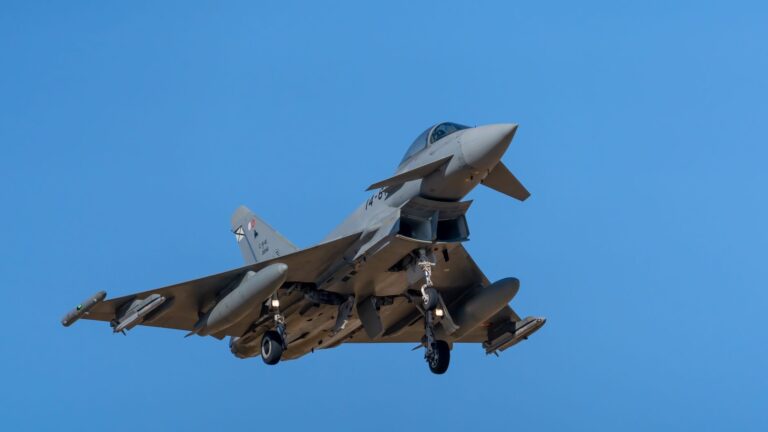
Recent reports have emerged detailing Saudi Arabia’s military involvement in Iraq during the height of the Iran war, revealing that Saudi fighter jets conducted airstrikes against Shi’ite militias supported by Tehran. These operations reportedly took place while retaliatory strikes were also launched from Kuwait, targeting areas within Iraq associated with these militias.
Sources with knowledge of the situation have confirmed that the Saudi airstrikes were part of a broader military response to escalating tensions in the region, particularly following a series of joint Israeli-U.S. attacks on Iran that occurred on February 28. This revelation highlights the complex interplay of military actions that have unfolded across the Gulf, often remaining obscured from public view.
The Iranian conflict has significantly influenced military dynamics in the Middle East, with various nations, including Saudi Arabia, feeling compelled to engage directly in order to safeguard their interests. The airstrikes against the militias, which are viewed as extensions of Iranian influence in Iraq, indicate a strategic move by Riyadh to counteract Tehran’s growing presence in the region.
The ramifications of these military actions are significant, as they contribute to a heightened state of instability in Iraq and the surrounding areas. The Shi’ite militias in question have played a critical role in the fight against ISIS, but their strong ties to Iran complicate their standing among other regional powers. As a result, Saudi Arabia’s involvement underscores the ongoing sectarian and geopolitical tensions that define the current landscape.
Furthermore, the airstrikes and broader military activities raise questions about the future of Iraq’s sovereignty and the balance of power within the region. The involvement of foreign military forces in Iraq, particularly from countries with vested interests like Saudi Arabia and Iran, continues to spark debate among local and international observers regarding the implications for Iraqi governance and security.
As the situation evolves, the international community is closely monitoring the implications of these military actions. The potential for escalation remains a concern, particularly as the conflict in Iran has drawn in various actors from across the Middle East, each with their own agendas and alliances.
In summary, the airstrikes conducted by Saudi Arabia against Iranian-backed militias in Iraq represent a significant development in the ongoing conflict in the region. This situation not only highlights the complexities of Middle Eastern geopolitics but also serves as a reminder of the fragile state of security and stability in Iraq as it navigates the challenges posed by both internal and external forces.