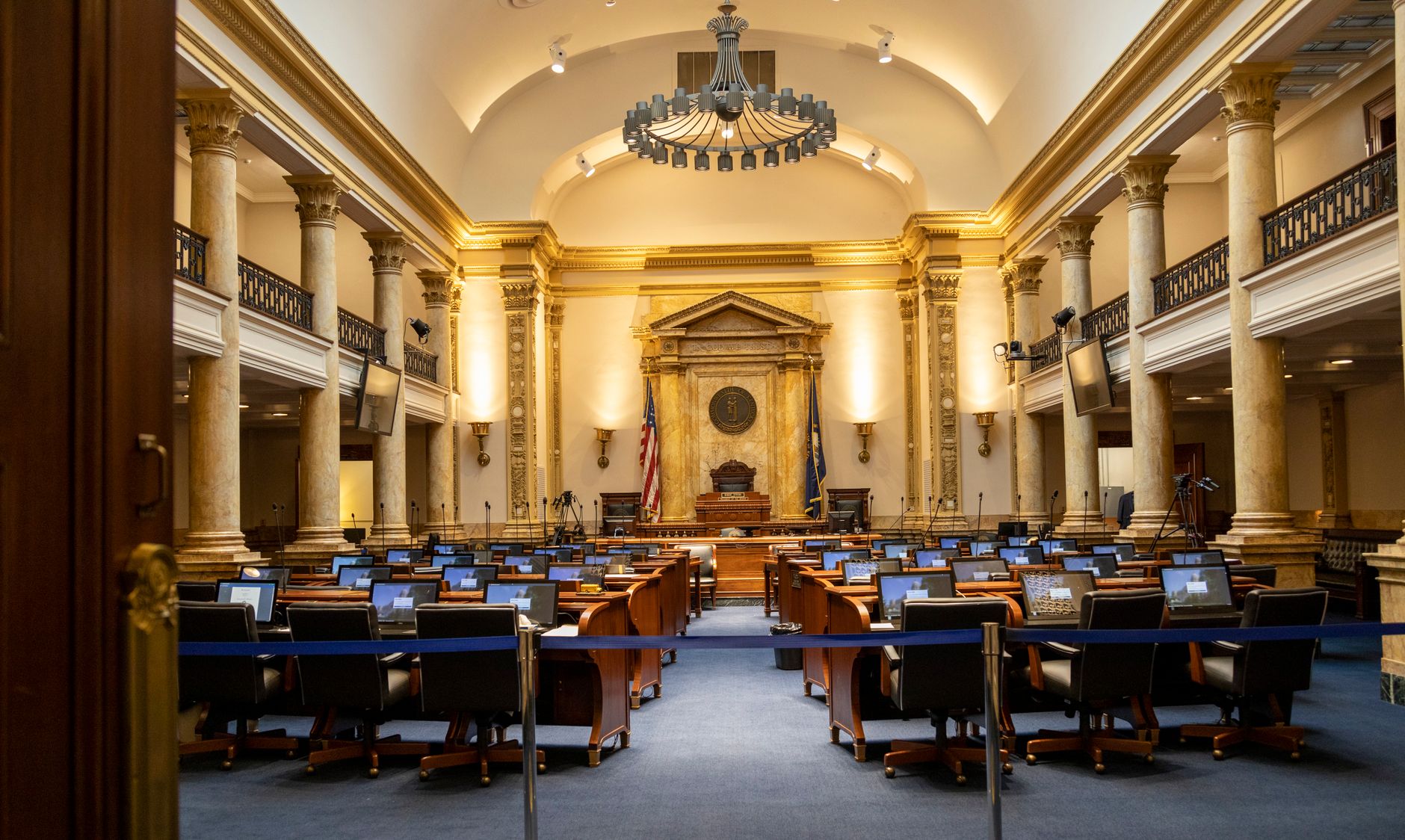
Senate Prepares for Debate on US-Saudi Nuclear Agreement Ahead of Mohammed bin Salman’s Visit
As the visit of Saudi Crown Prince Mohammed bin Salman approaches, the U.S. Senate is gearing up for a critical debate surrounding a proposed nuclear cooperation agreement with Saudi Arabia. This deal, which has drawn significant attention from both political leaders and analysts, could reshape the dynamics of nuclear energy in the region and has sparked a lively discussion on its implications for global security.
The proposed agreement aims to facilitate the development of civilian nuclear energy capabilities in Saudi Arabia. Proponents of the deal argue that it could provide an avenue for the Kingdom to diversify its energy sources, reduce its reliance on fossil fuels, and foster economic development. However, critics express deep concerns that it may inadvertently lead to nuclear proliferation in a region already fraught with tension. The Senate is expected to scrutinize the potential risks associated with the deal, particularly regarding the possibility of Saudi Arabia pursuing nuclear weapons capabilities.
As the debate unfolds, analysts are noting the contrasting perspectives of U.S. lawmakers and officials regarding the Iranian threat. Recent assessments indicate a widening gap between the United States and Israel on the perceived dangers posed by Iran’s nuclear ambitions. While U.S. officials have emphasized diplomatic engagement and a measured approach, Israeli leaders have voiced alarm over Iran’s advancements in its nuclear program, calling for a more aggressive stance.
In Tehran, officials are closely monitoring these developments, with concerns mounting over Iran’s waning influence in the region. The combination of U.S. sanctions, changing alliances, and a growing focus on diplomatic resolutions has left Iranian leaders anxious about their strategic position. The potential U.S.-Saudi nuclear agreement might further exacerbate these anxieties, as Iran views the strengthening of Saudi Arabia’s nuclear capabilities as a direct challenge.
Meanwhile, in Istanbul, a separate yet intriguing story is emerging with the discovery of mysterious tunnels beneath the historic Hagia Sophia. These discoveries have sparked curiosity and debate among historians and archaeologists about the structure’s rich and complex past, highlighting the interplay of culture and history in the region.
As the Senate prepares for this pivotal discussion on the nuclear deal with Saudi Arabia, the implications of this agreement will not only affect U.S.-Saudi relations but also have far-reaching consequences for regional stability, particularly in relation to Iran. Lawmakers are being urged to take a cautious approach, weighing the potential benefits of civilian nuclear energy against the risks of escalation in an already volatile area.