Six Months into Iran War, Nearly Half of Global Oil Supplies Stem from Conflict Zones
As the world grapples with escalating geopolitical tensions, a new analysis reveals that nearly 50% of global oil supplies originate from nations embroiled in conflict. These findings highlight the profound impact of recent hostilities on the global energy landscape, which have surpassed previous crises in severity.
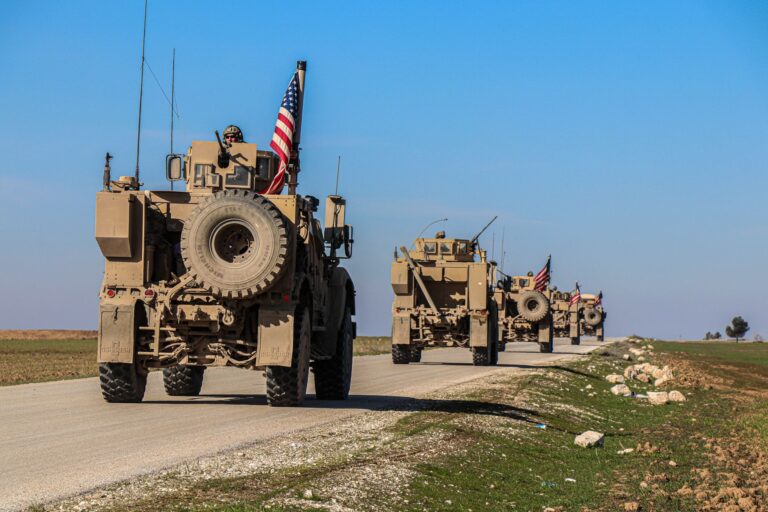
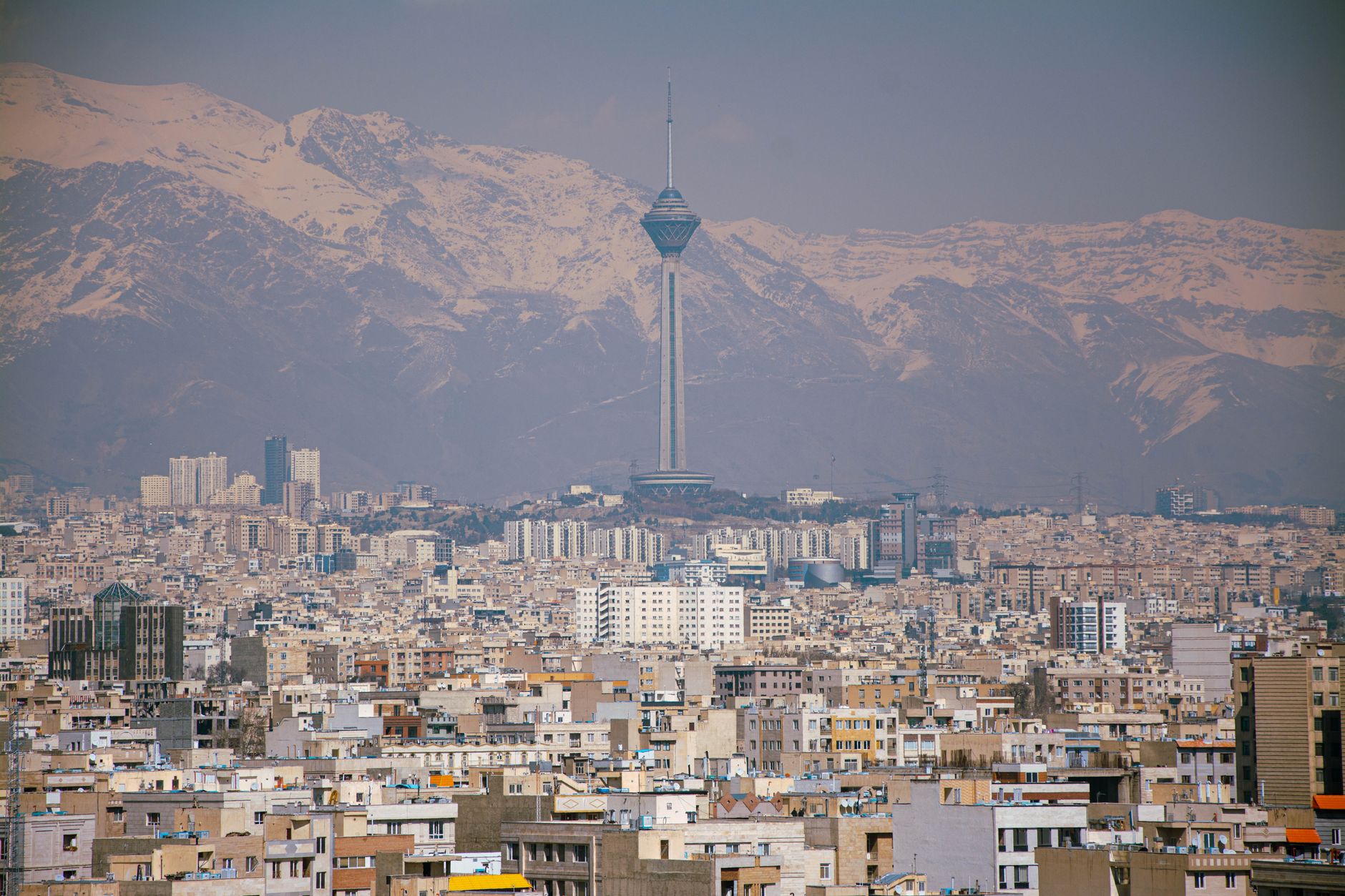
The situation escalated six months ago following U.S. and Israeli military actions against Iran, which have since precipitated what is now recognized as the most significant oil supply disruption in history. The ongoing conflict has not only affected Iran but has also reverberated across other key oil-producing regions, intensifying concerns about supply stability and pricing volatility.
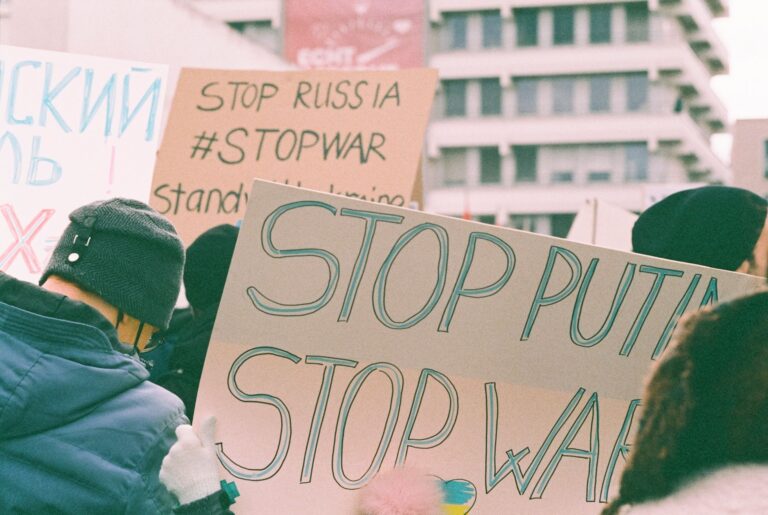
In addition to the turmoil in Iran, the protracted war between Russia and Ukraine continues to exert pressure on global energy markets. The conflict has resulted in production and refining cuts, particularly affecting oil output in countries like Kazakhstan, which has historically been a critical player in the energy sector. This dual crisis—fueled by both the Iran conflict and the Russia-Ukraine war—has compounded challenges for consumers and businesses worldwide.
Market analysts are closely monitoring the situation as prices for crude oil remain elevated. The volatility in oil markets not only impacts energy prices but also has broader implications for inflation rates, transportation costs, and overall economic stability. Many countries are now faced with soaring energy expenses, which can lead to increased costs for consumers and businesses alike.
The repercussions of these conflicts extend beyond immediate oil supply concerns. Nations heavily reliant on oil imports are particularly vulnerable to price shocks and supply interruptions. Countries in the Arab world, for instance, are affected by the rising costs of crude oil, which can exacerbate existing economic challenges and fuel public discontent.
As the international community seeks solutions, diplomatic efforts are being intensified to mitigate the impacts of these conflicts. However, the path to resolution appears uncertain, with various stakeholders entrenched in their positions. Experts warn that without a concerted effort to stabilize these regions, the global oil supply crisis may persist, further destabilizing economies that depend on affordable energy.
In summary, the current geopolitical landscape, marked by conflict in Iran and Ukraine, has led to unprecedented disruptions in global oil supplies. As tensions continue, the implications for energy markets and broader economic conditions will require careful monitoring and strategic response from nations around the world.