Six Months Into Iran War: Traffic in the Strait of Hormuz Declines, Sailors Left Stranded
As the conflict between Iran and various international forces continues to unfold, the situation in the Strait of Hormuz has become increasingly precarious. Six months into the war, maritime traffic through this crucial shipping corridor has significantly diminished, raising concerns about the economic implications for global oil markets and the welfare of seafarers caught in the crossfire.
The Strait of Hormuz, a narrow passage that connects the Persian Gulf with the Gulf of Oman, is one of the world’s most vital shipping routes, responsible for a substantial portion of global oil transportation. The ongoing hostilities have led to heightened security threats, causing many shipping companies to reroute vessels or halt operations altogether. This decline in traffic has resulted in a more significant impact on oil prices and energy supply chains, with analysts warning of potential long-term repercussions for the global economy.
The war has left many sailors stranded in various ports, unable to return to their home countries or continue their journeys due to the dangerous conditions in the region. Reports indicate that numerous commercial vessels remain docked, with their crews facing uncertain futures. The psychological toll on these sailors, who often spend extended periods at sea, has been exacerbated by the ongoing conflict, as they grapple with the anxiety of being unable to return home.
International maritime organizations have issued warnings regarding the safety of shipping in the area, advising vessels to avoid the Strait of Hormuz unless absolutely necessary. This advisory has further compounded the challenges faced by seafarers, as many rely on the busy route for their livelihoods. The ripple effects of decreased traffic are being felt not only by the sailors themselves but also by the countries that depend on the oil transported through the strait.
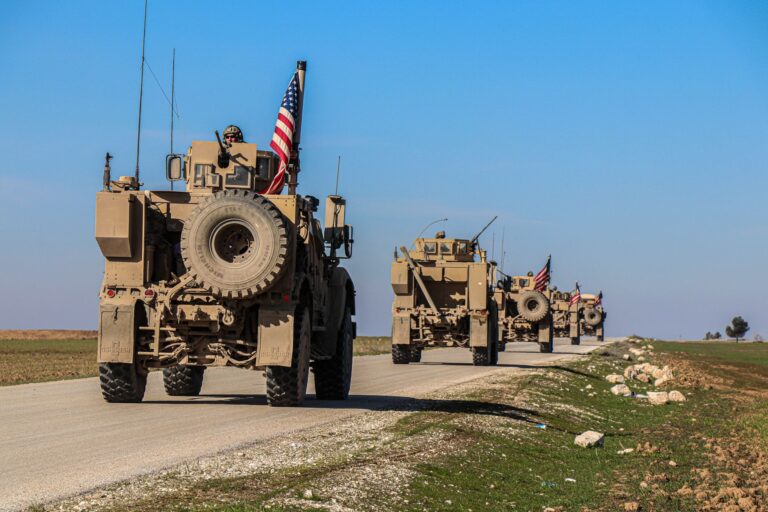
In response to the evolving situation, several nations, including the United States and allied partners, have increased naval presence in the region to ensure the safety of maritime operations. While these efforts aim to deter aggressive actions and protect commercial shipping, they also raise the stakes for potential confrontations with Iranian forces.
As the conflict persists, the international community is calling for diplomatic solutions to address the underlying tensions. The complexity of the situation in the Strait of Hormuz underscores the interconnectedness of global trade and regional stability, with the implications of the war extending far beyond the immediate vicinity.
In the coming months, the fate of both the maritime traffic and the stranded sailors remains uncertain. The need for a resolution to the ongoing conflict is more pressing than ever, as stakeholders from around the world watch closely, hoping for an end to hostilities and a return to safer navigation through this vital waterway.