Somalia’s Tuk-Tuks Stall as Fuel Prices Surge Amid Iran Conflict
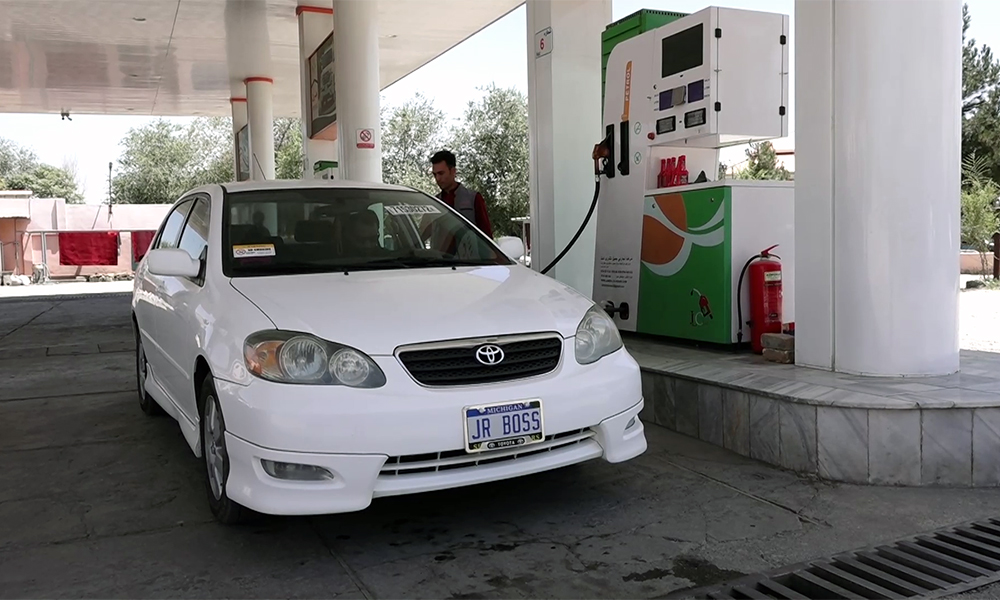
In the heart of Mogadishu, the streets are witnessing a notable decline in the once-bustling tuk-tuk taxi service, as drivers struggle to cope with soaring fuel prices. The recent spike in costs has been attributed largely to disruptions in oil shipments connected to the ongoing conflict in Iran, forcing many taxi operators to abandon their vehicles and seek alternative means of income.
Tuk-tuks have long been a popular mode of transportation in Somalia’s capital, providing a convenient and affordable option for commuters navigating the city’s chaotic streets. However, the escalating prices of fuel have made it increasingly difficult for drivers to sustain their operations. Many are finding it hard to balance their daily expenses with the rising fares they must charge to cover the costs of fuel.
Several tuk-tuk drivers have reported a significant drop in their passenger numbers as fares increase. “It’s a difficult time for us,” lamented one driver, who expressed frustration over the situation. With fewer passengers willing to pay the higher rates, drivers are finding themselves in a precarious financial position. The combination of declining ridership and rising operational costs has led many to reconsider their livelihoods, prompting some to abandon their tuk-tuks altogether.
The impact of the fuel price surge is being felt across the city, with many residents expressing concern over the rising costs of transportation. As tuk-tuk fares increase, individuals are forced to allocate more of their budgets toward commuting, which in turn affects their overall spending power. The situation has raised questions about the long-term viability of this popular transport option in the face of fluctuating fuel prices.
The conflict in Iran has had far-reaching effects on global oil markets, with Somalia feeling the repercussions of these geopolitical tensions. As oil shipments become disrupted, prices continue to rise, creating a ripple effect that extends beyond the borders of the Middle East. For many Somali families, the increased cost of fuel is not just an inconvenience but a significant challenge that impacts their daily lives.
Community leaders are calling for solutions to address the rising fuel prices and to support local drivers facing economic hardship. While the government has yet to implement measures to alleviate the situation, there is growing awareness of the need for action to preserve employment opportunities for tuk-tuk drivers and to ensure affordable transportation options for residents.
As the situation evolves, the future of tuk-tuks in Mogadishu remains uncertain. With many drivers being pushed out of the market, there is a pressing need for both local and international stakeholders to engage in discussions aimed at stabilizing fuel prices and supporting the livelihoods of those affected by the current crisis.