Spanish PM’s Party Gains Voter Support Amid Anti-War Stance, Far-Right Support Declines
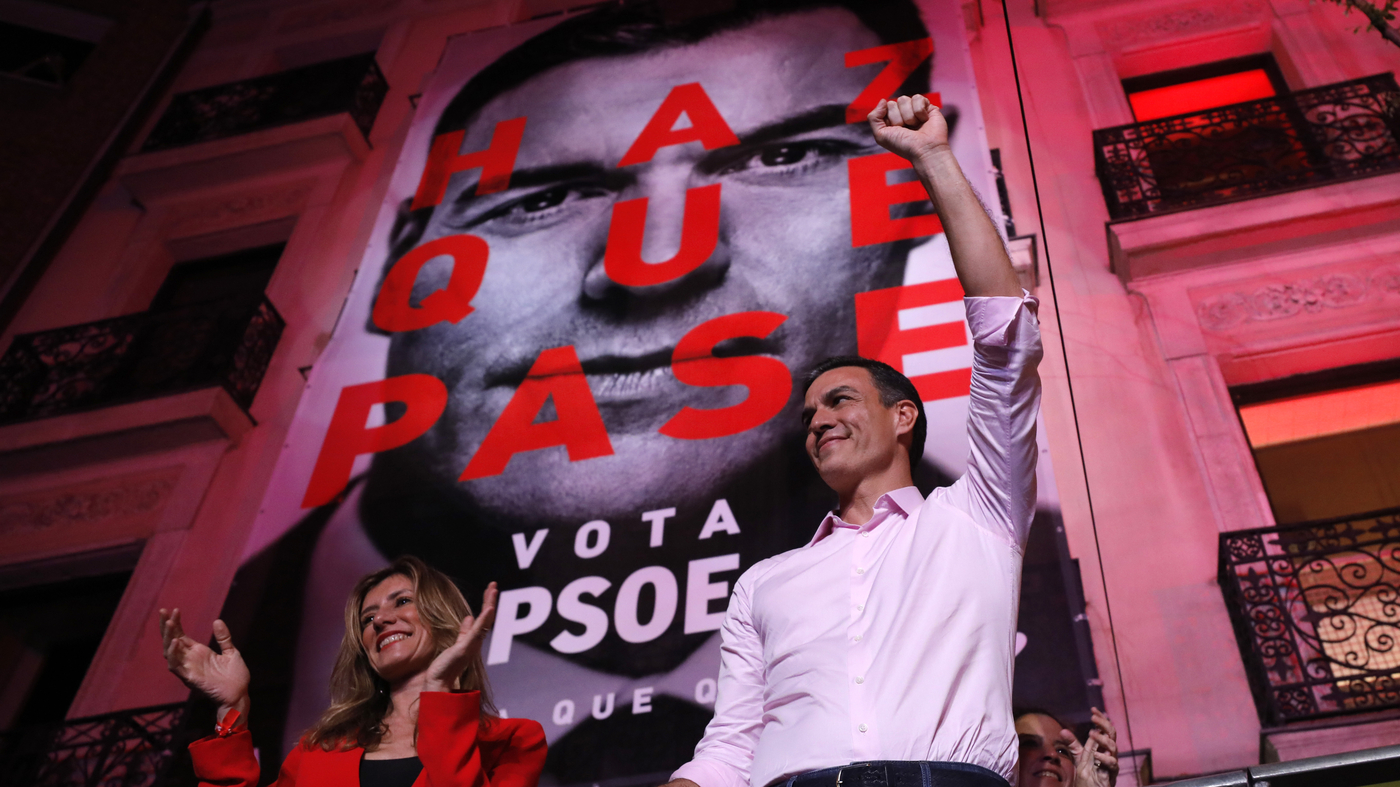
Recent polling data indicates a shift in voter sentiment in Spain, with the ruling Socialist Party witnessing an increase in support due to Prime Minister Pedro Sanchez’s firm opposition to the ongoing conflict involving the U.S. and Israel in Iran. This political landscape is contrasted by a notable decline in support for the far-right Vox party, which has aligned itself with the military offensive.
The surveys, released on Monday, suggest that Sanchez’s vocal criticism of the war has resonated with many voters. He has characterized the military actions as illegal and reckless, a stance that has set him apart from some other Western leaders. In a decisive move reflecting this position, Sanchez has taken steps to limit Spain’s involvement in the conflict. These actions include closing Spanish airspace to U.S. military planes participating in the strikes and prohibiting their use of Spanish military bases.
Sanchez’s condemnation of the war has not only garnered attention but has also played a crucial role in shaping public opinion. Many citizens appear to appreciate the Prime Minister’s willingness to prioritize diplomatic solutions over military intervention, viewing his stance as a commitment to peace and international law. This shift in public sentiment is reflected in the latest polling numbers, which show a modest but significant uptick in support for the Socialist Party.
On the other hand, the Vox party, known for its hardline stance on immigration and its support for military action, is experiencing a downturn in popularity. The party’s alignment with the military offensive has not resonated positively with a segment of the electorate that is increasingly wary of military conflicts abroad. As the public discourse shifts towards advocating for peace and diplomatic engagement, Vox’s position may be perceived as out of touch with current sentiments.
Political analysts suggest that the recent polling trends could have implications for upcoming elections in Spain, as the electorate appears to be leaning towards parties that prioritize peace and international cooperation. The growing support for Sanchez’s government, driven by its anti-war stance, could reshape the political landscape, especially if the trend continues.
As Spain navigates its role in international conflicts, the public’s response to these developments will likely play a critical role in shaping the future of its political parties and their policies. The contrast between the ruling Socialists’ approach and the far-right’s support for military action highlights a broader debate within Spanish society regarding the country’s foreign policy and its commitment to peace in an increasingly volatile world.