Syria Mulls Law That Could Grant Nationality to Children of Foreign Fighters
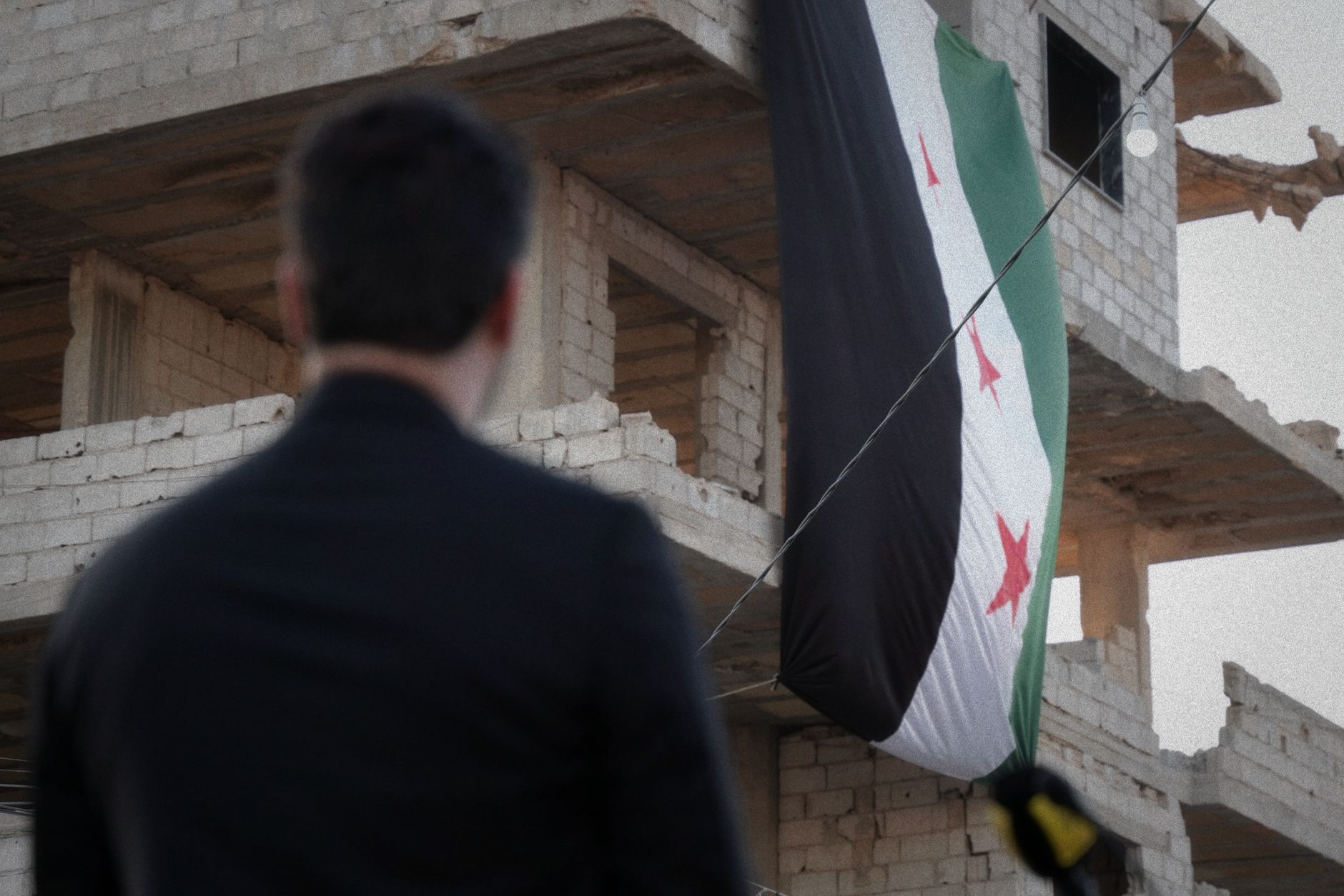
In northern Syria, a significant legal consideration is emerging that could impact the lives of many families. Umm Mohammed, a 22-year-old woman, is among those advocating for changes that would allow her two daughters, born to foreign Islamic State group fighters, to acquire Syrian nationality. This potential legal reform is particularly noteworthy given the backdrop of Syria’s prolonged civil conflict, which has lasted for over 13 years and has seen numerous women marry foreign fighters under dire and chaotic circumstances.
The marriages between Syrian women and foreign jihadists became increasingly common during the civil war, driven by a variety of factors, including social upheaval and the promise of support amidst instability. However, many of these unions were not formally registered, leaving a significant number of children born from these relationships in legal limbo. As a result, these children often find themselves without a clear nationality or legal identity, which can hinder their access to basic rights and services.
The proposed law under consideration aims to address this pressing issue by allowing the offspring of foreign fighters, many of whom are now living in Syria, to obtain Syrian citizenship. Advocates for the change argue that it is a necessary step toward recognizing the rights of these children and integrating them more fully into society. They emphasize that children should not be held accountable for the actions of their parents and that granting nationality could provide them with a chance for a better future.
The legal proposal is also seen as a potential solution to the broader issues of statelessness and social integration in a post-war Syria. Officials have noted that granting citizenship could help address the challenges faced by families living in camps for displaced persons, where many of these women and children currently reside. The move may also help in reducing the stigma associated with being born to foreign fighters, allowing for a smoother reintegration into society.
However, the proposal has sparked a debate among various factions in Syria, with some expressing concerns about the implications of granting nationality to children associated with groups like the Islamic State. Critics fear that this could inadvertently validate the actions of foreign fighters or lead to further complications in the already complex social fabric of the country.
As discussions continue, the outcome remains uncertain. Nonetheless, for Umm Mohammed and many others in similar situations, the potential law represents a glimmer of hope for their children’s future and a chance to establish a sense of belonging in a nation that has faced unprecedented challenges over the past decade. The decision will undoubtedly have lasting implications for thousands of families navigating the aftermath of the conflict.