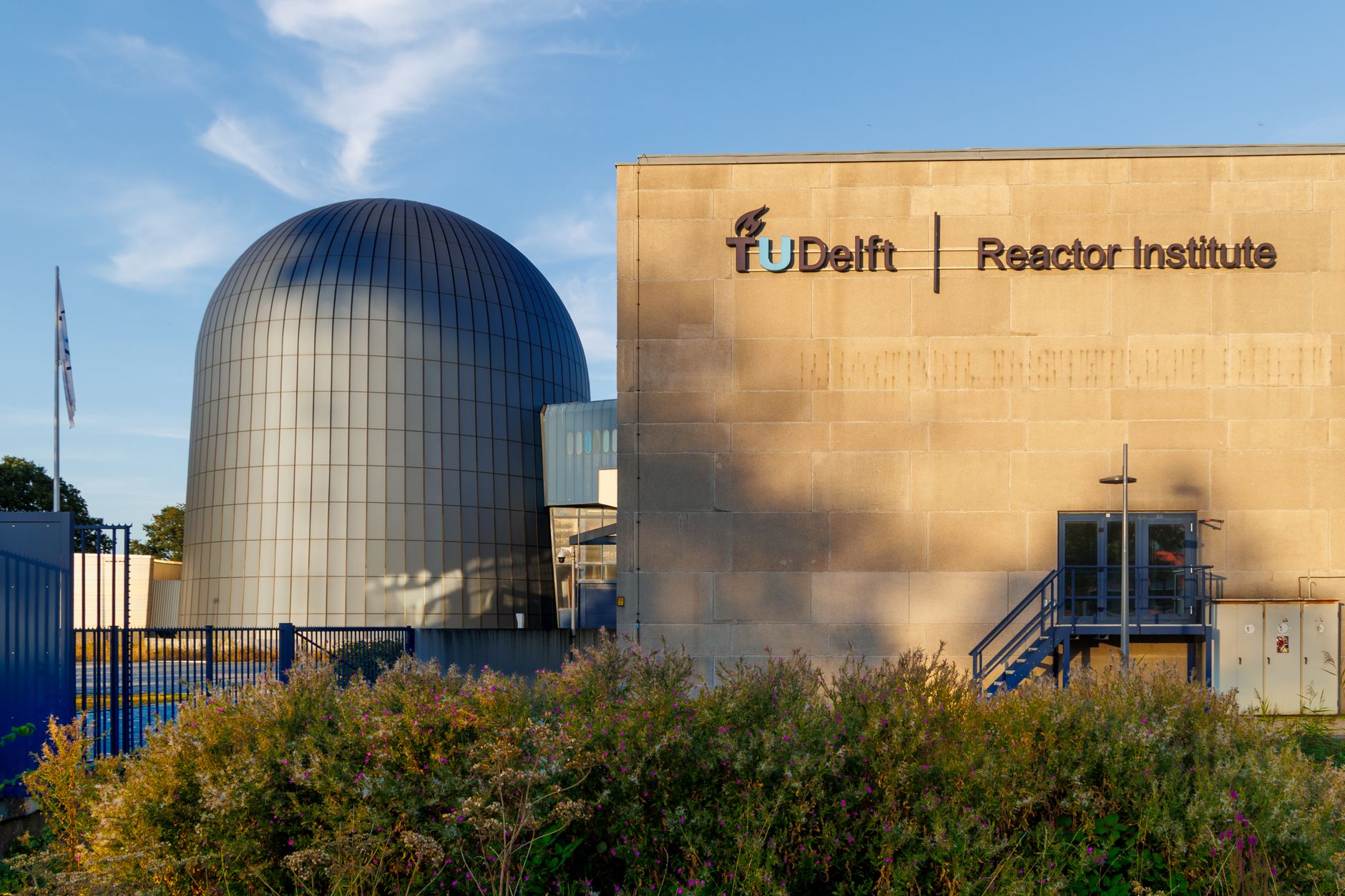
Syrian Nuclear Reactor Could Have Had Potential for Weapons, IAEA Chief States
In a recent statement, the head of the International Atomic Energy Agency (IAEA), Rafael Grossi, revealed that a nuclear reactor in Syria, which was nearly finished before its destruction by Israeli airstrikes in 2007, had the capability to produce fissile material suitable for nuclear weapons. This assessment marks a significant development in the ongoing investigation into Syria’s past nuclear activities.
Grossi characterized the IAEA’s findings as a “historic breakthrough,” highlighting the agency’s efforts to uncover previously concealed nuclear operations that took place under the regime of Bashar al-Assad. According to Grossi, the investigation has revealed the presence of approximately 73 metric tons of natural uranium metal, primarily found in the form of reactor fuel. This discovery raises serious concerns regarding Syria’s nuclear ambitions and its potential to develop weapons of mass destruction.
The reactor, located at the Al-Kibar site, was purportedly designed to produce plutonium, a material that can be used in nuclear arms. The Israeli military’s preemptive strike in 2007 effectively halted Syria’s nuclear program, but questions lingered about the extent of its development and the materials involved.
The IAEA’s revelations come at a time of heightened tensions in the Middle East, where nuclear non-proliferation remains a critical concern for regional and global security. Grossi emphasized the importance of transparency and cooperation in nuclear oversight, urging Syria to provide further clarification regarding its nuclear activities. The agency’s investigation faced challenges due to Syria’s lack of cooperation, which has hindered the IAEA’s ability to verify the full scope of the country’s nuclear capabilities.
As the international community continues to monitor Syria’s compliance with nuclear regulations, the findings underscore the need for vigilance against the potential spread of nuclear weapons technology. The ongoing investigation not only reflects the IAEA’s commitment to non-proliferation but also highlights the complexities of securing peace in a region fraught with geopolitical tensions.
In conclusion, the implications of the IAEA’s findings are profound, raising critical questions about the past and future of nuclear energy and weapons in Syria. As the agency seeks further dialogue with the Syrian government, the global community watches closely, aware that the outcomes of this investigation could significantly impact regional stability and international security efforts.