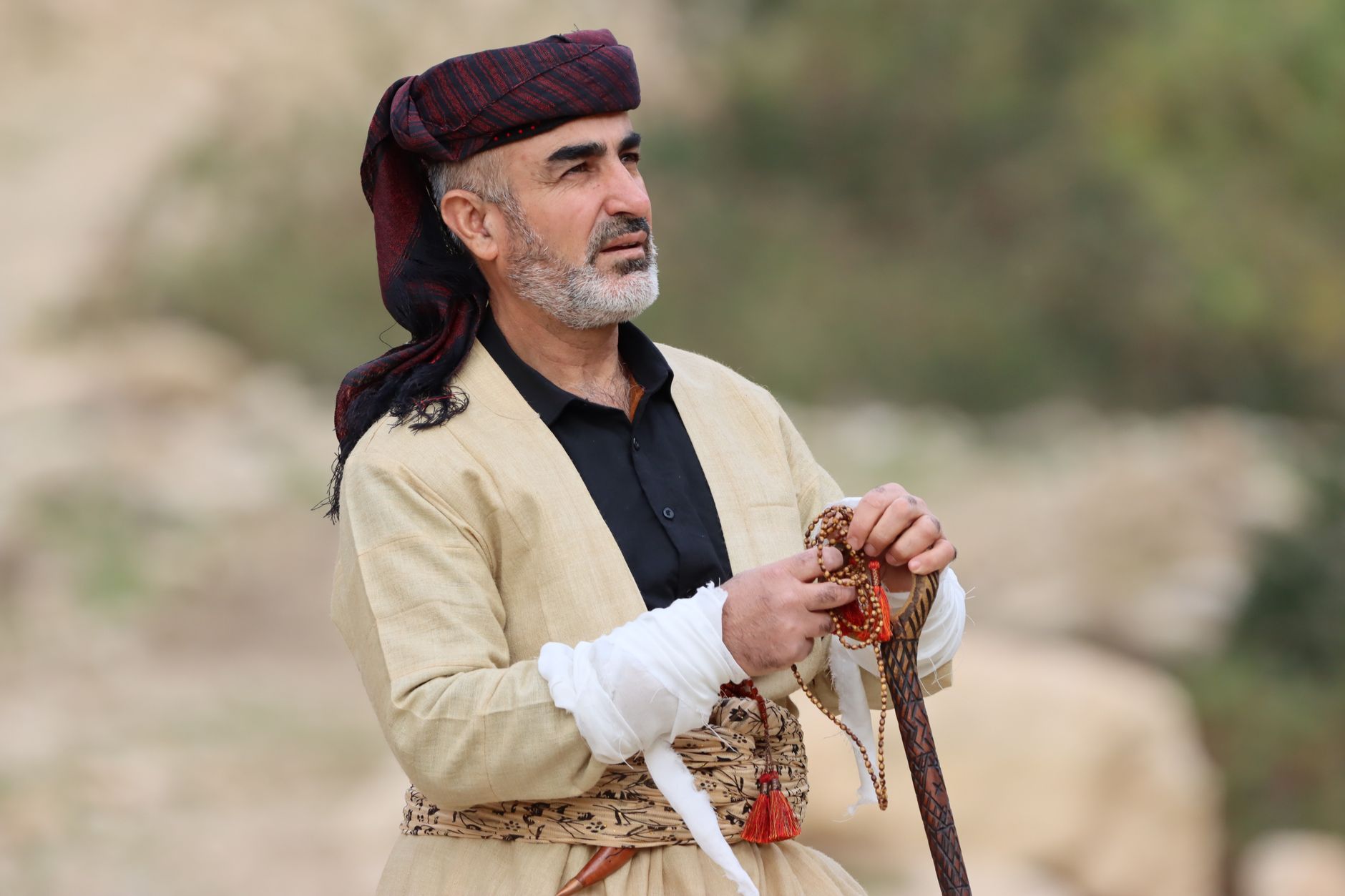
Syrian President Appoints Kurdish Leader Mazloum Abdi as Presidential Adviser
In a significant political development, Syrian President Ahmed al-Sharaa has appointed Kurdish leader Mazloum Abdi as a presidential adviser, as reported by state media on Friday. This appointment follows Abdi’s recent announcement regarding the dissolution of his Kurdish-led forces, which is part of a broader integration agreement with the government in Damascus.
The decree, signed by President Sharaa, was officially communicated through the state news agency SANA. It details that Mustafa Khalil Abdi, a prominent figure within the Kurdish community, will now serve in this advisory capacity. This move marks a notable shift in the dynamics between the Syrian government and Kurdish factions, who have historically maintained a complex and often contentious relationship.
Abdi’s decision to dissolve his forces comes amid ongoing negotiations aimed at reconciling the Kurdish regions of Syria with the central government. This integration deal is seen as an attempt to enhance stability in the region, which has been marked by conflict and fragmentation since the onset of the Syrian civil war over a decade ago.
The Kurdish forces, known as the Syrian Democratic Forces (SDF), have played a crucial role in the fight against ISIS in Syria, gaining significant autonomy in the northeastern regions of the country. However, the evolving political landscape, including shifting alliances and the need for security and governance, has prompted the Kurdish leadership to seek closer ties with the Syrian government.
Abdi’s appointment as an adviser is viewed as a potential step toward fostering dialogue and cooperation between the Kurdish community and the Syrian state. Analysts suggest that this could lead to greater political representation for Kurds within the national framework, although the challenges of integration and local governance remain significant.
This development is being closely watched by various stakeholders, including regional powers and international observers, who have a vested interest in the stability of Syria and the broader Middle East. The Kurdish population, which has faced historical marginalization, may view this appointment as a tentative move toward a more inclusive political environment, while also remaining cautious about the implications of such a partnership with the Damascus government.
As the situation unfolds, the implications of Abdi’s new role and the integration of Kurdish forces into the Syrian state will likely continue to influence the complex political landscape in Syria, with potential repercussions for both local governance and regional stability.