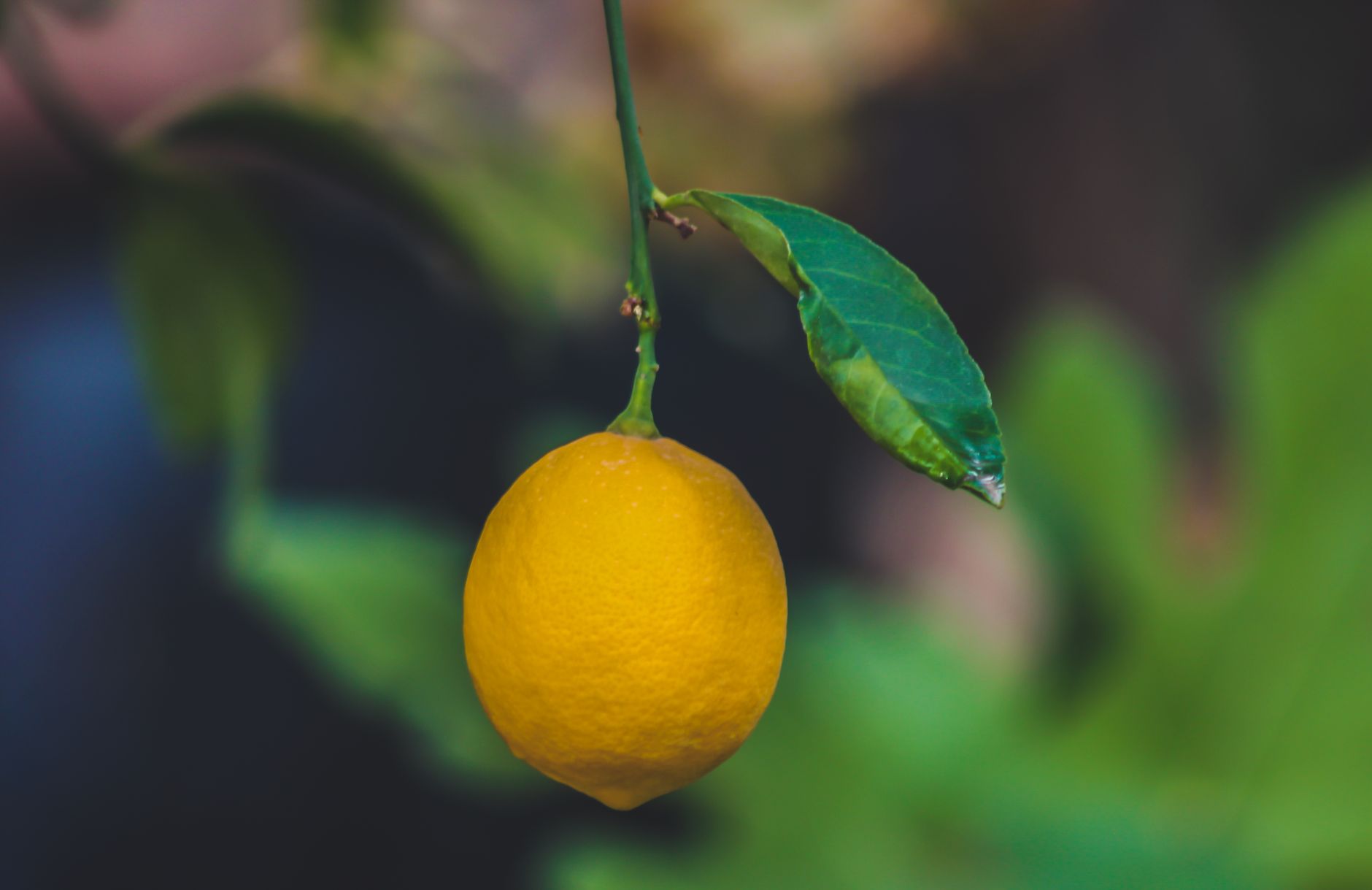
Syria’s Citrus Harvest Projected to Reach $588 Million as Production Increases by 18%
Damascus – The Syrian Arab Republic is anticipating a robust citrus harvest in 2026, with projections estimating a total yield of approximately 840,000 tonnes. The agriculture ministry has valued this harvest at around $588 million, marking a significant development for the country’s agricultural sector.
Hatem Majar, the director of the ministry’s Citrus Office, announced that this year’s expected production represents an 18 percent increase compared to the average yields over the last decade. This surge in citrus output is expected to benefit around 50,000 farming families and workers involved in the agricultural supply chain, providing a vital source of income and employment in a country facing numerous challenges.
Majar attributed the positive outlook for this year’s citrus production to a combination of favorable weather conditions and improvements in agricultural practices. The climate has played a crucial role in enhancing the quality and quantity of the citrus crops, which include popular varieties such as oranges, lemons, and mandarins.
Citrus farming has historically been an important part of Syria’s agricultural landscape, contributing significantly to both local consumption and exports. The increase in production could potentially provide a boost to the economy, especially in rural areas where agriculture remains a primary livelihood.
The government’s focus on supporting the agricultural sector is evident through various initiatives aimed at improving infrastructure, providing resources, and facilitating access to markets for farmers. These efforts are intended to enhance productivity and ensure that the benefits of agricultural growth reach those who are most dependent on it.
As Syria continues to navigate through complex socio-economic challenges, the anticipated rise in citrus production offers a glimmer of hope for rejuvenating the agricultural sector. The ministry’s projections reflect not only the resilience of the farming community but also the importance of agriculture in contributing to food security and economic stability in the region.
Looking ahead, stakeholders are optimistic that with continued support and favorable conditions, Syria’s citrus industry can thrive, further solidifying its role as a key player in the agricultural market. The success of this harvest could pave the way for future investments and innovations in farming practices, ultimately benefiting the broader economy and enhancing the livelihoods of many Syrian families.