Teachers’ Strike in Libya Disrupts Education Amidst Political Divisions
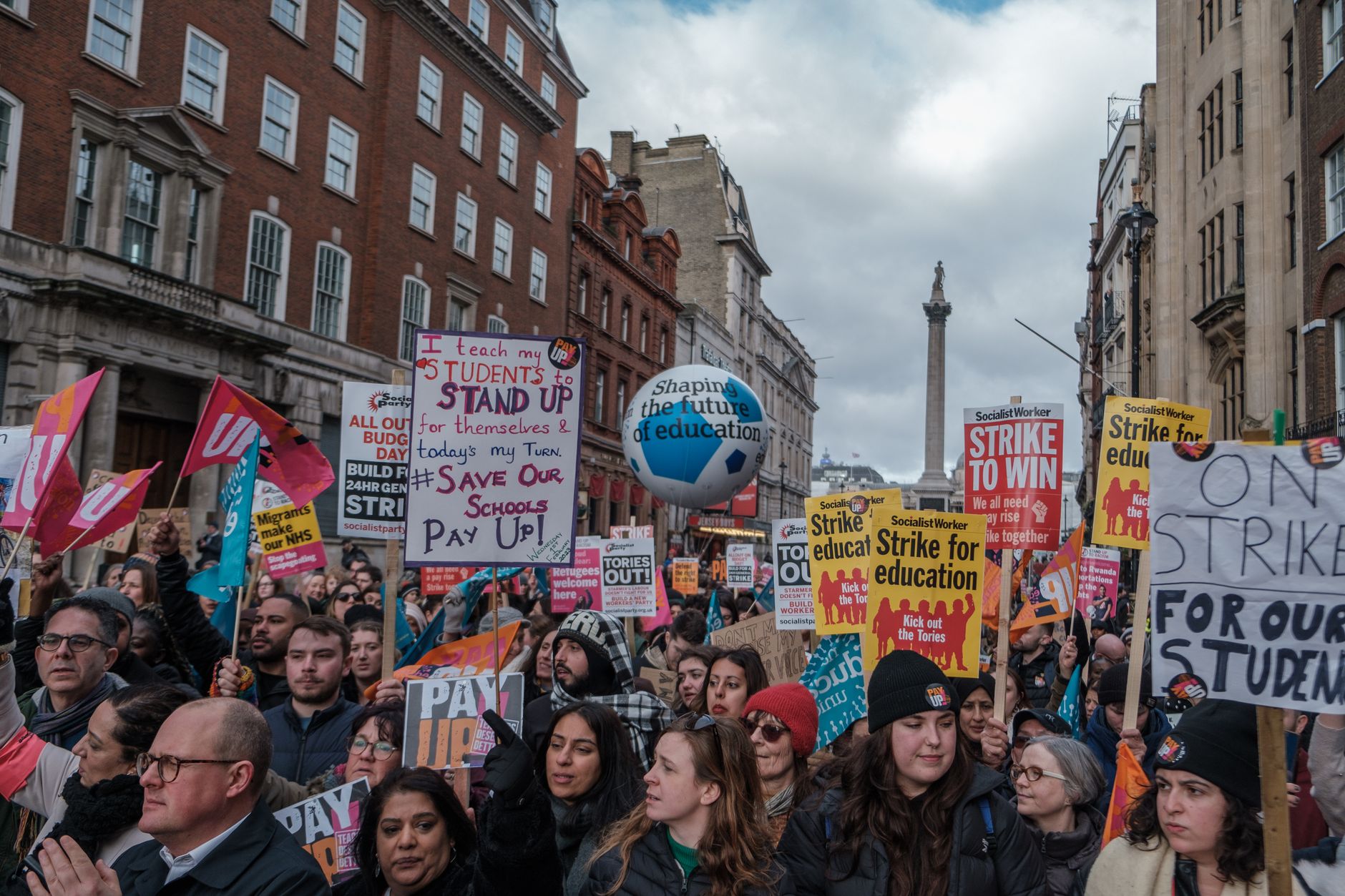
In Libya, a significant teachers’ strike has led to widespread school closures and postponed the academic year, affecting students and families across the nation. The strike, which has drawn attention to the pressing issues facing educators, has brought together teachers in a unified call for better working conditions in a country marked by political instability and division.
The primary grievances of the striking teachers include demands for increased salaries, comprehensive health insurance, and appropriate compensation for overtime work. Many educators have expressed frustration over their current pay, which they argue does not reflect the rising cost of living or the essential role they play in society. With the economic situation in Libya remaining precarious, teachers have found it increasingly difficult to support their families on their current salaries.
The strike is notable not only for its impact on education but also for how it highlights the broader issues of governance and resource distribution within the country. Libya has been divided politically since the fall of Muammar Gaddafi in 2011, with various factions controlling different regions and resources, particularly oil. This division has created disparities in public services, including education, leaving many teachers feeling undervalued and overworked.
As schools remain shuttered, parents and students are voicing their concerns about the future of education in Libya. Many families are worried about the long-term effects of prolonged school closures on students’ academic progress and social development. The situation has led to calls for a resolution, as both parents and educators seek a swift return to normalcy.
In response to the strike, some government officials have acknowledged the need for dialogue and reform within the education sector. However, the political landscape complicates efforts to address the teachers’ demands effectively. As negotiations continue, there is hope among educators that their voices will be heard and that meaningful changes can be implemented.
This strike, which has united teachers across Libya’s fragmented political landscape, underscores the critical role of education in building a stable and prosperous future for the nation. As the situation develops, many are watching closely to see how both the government and the teachers’ unions will navigate these challenges in the pursuit of a better educational environment for all students in Libya.