Tensions Rise as Trump and Iran Exchange Threats Over Energy Facilities
In a significant escalation of hostilities, U.S. President Donald Trump and Iranian officials have exchanged threats regarding potential attacks on energy infrastructure in the Gulf region. This alarming development raises concerns about a broader conflict that could have severe implications for regional stability and global energy markets.
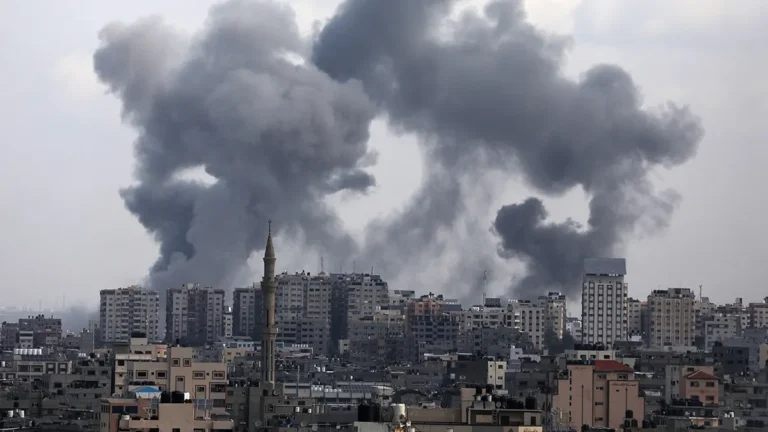
The escalating rhetoric follows a series of missile attacks that have rocked southern Israel, particularly affecting the towns of Arad and Dimona. Early Sunday morning, air raid sirens blared throughout Israel, signaling incoming threats from Iranian forces. Reports indicate that these attacks resulted in injuries to numerous civilians, intensifying fears of a wider military confrontation.
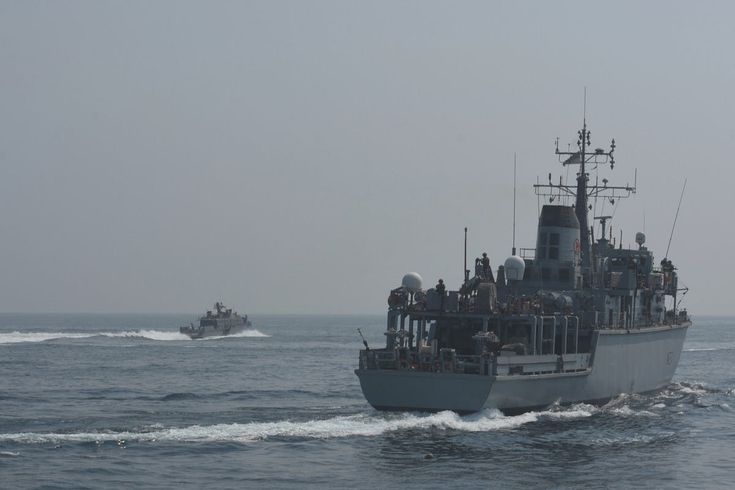
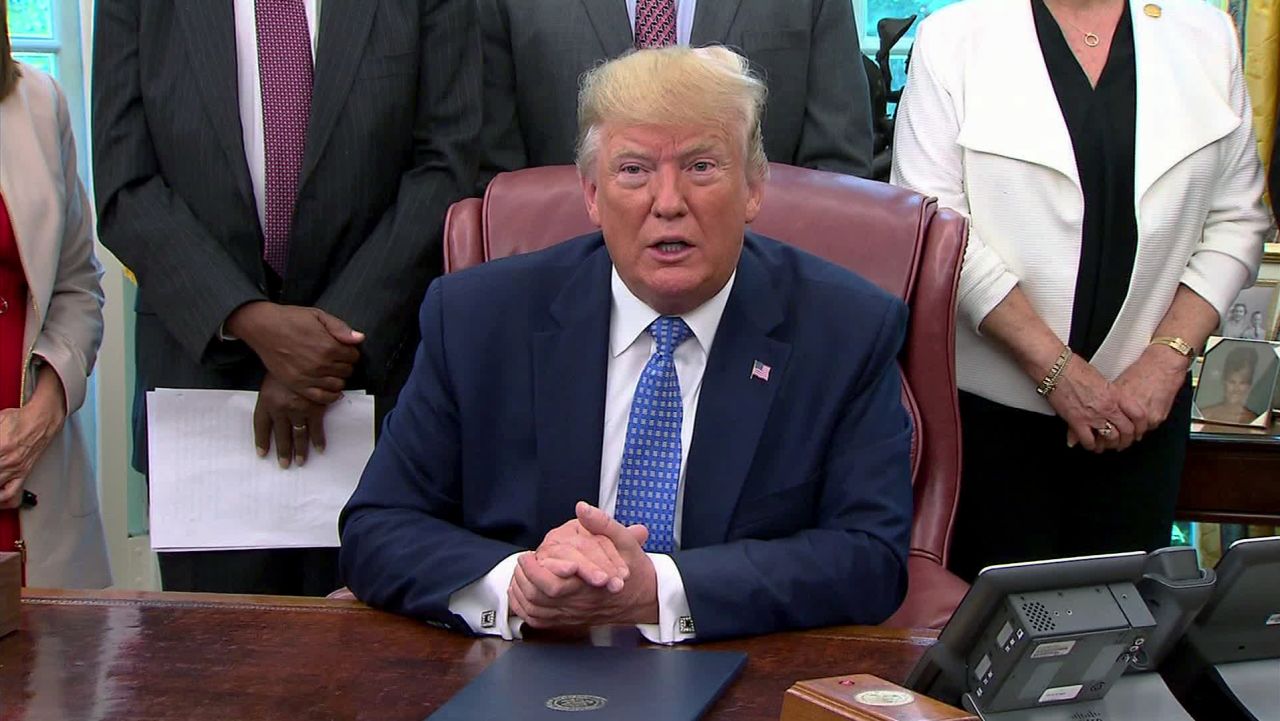
President Trump’s administration has issued stern warnings to Iran, asserting that any aggression towards U.S. allies in the region would be met with decisive action. Officials have emphasized the importance of safeguarding energy supplies, particularly as tensions in the Gulf contribute to volatility in global oil markets. The U.S. has consistently maintained a military presence in the region, aimed at deterring Iranian threats and ensuring the security of maritime routes crucial for oil transport.
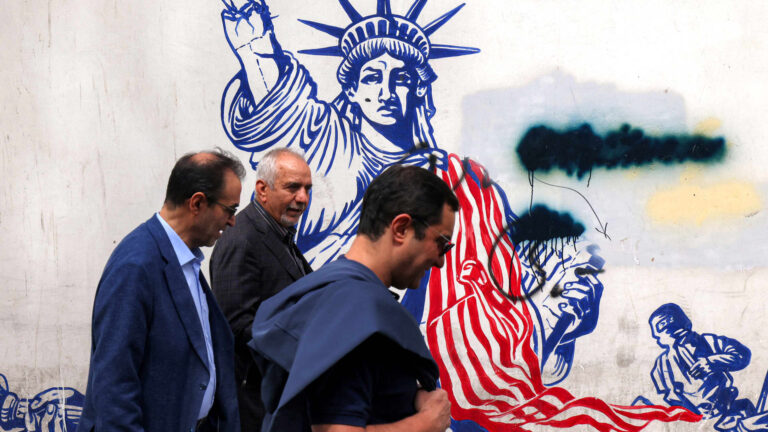
In response, Iranian leaders have vowed to retaliate against U.S. interests and allies, framing their actions as defensive measures against perceived aggression. Iranian officials have accused the Trump administration of exacerbating tensions through its foreign policy, particularly regarding sanctions that have crippled the Iranian economy. The Iranian government has made it clear that it views attacks on its energy facilities as an attack on its sovereignty.
The potential for further military action raises alarms not only in the Middle East but also among global economic players. Analysts warn that disruptions to oil supplies could lead to price spikes and economic instability, affecting consumers and industries worldwide. The situation has already prompted discussions among international leaders on how to respond to the escalating crisis.
As both sides continue to exchange threats, the possibility of diplomatic solutions appears increasingly remote. Many observers are calling for urgent dialogue to de-escalate tensions and prevent a full-scale conflict that could have dire consequences for both regional and global peace.
In the meantime, the people of Israel are left on edge, grappling with the reality of missile threats and the implications of a broader conflict. The international community is closely monitoring the situation, with hopes that cooler heads will prevail in what has become a precarious standoff.