Tensions Rise as U.S. Blockades Strait of Hormuz; China and Turkey Call for Restraint
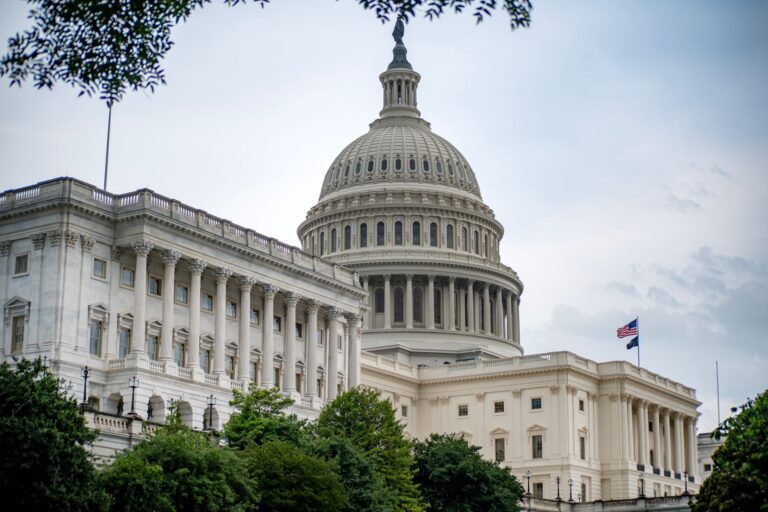
As the United States implements a blockade of the strategically vital Strait of Hormuz, both China and Turkey are advocating for continued dialogue and caution among all parties involved. This development comes amid heightened regional diplomacy concerning a fragile ceasefire that has been established in the area.
The Strait of Hormuz is a critical maritime corridor through which a significant portion of the world’s oil supply is transported. The U.S. blockade has raised concerns about potential disruptions to global oil markets and has prompted reactions from various nations, particularly those reliant on Iranian oil exports.
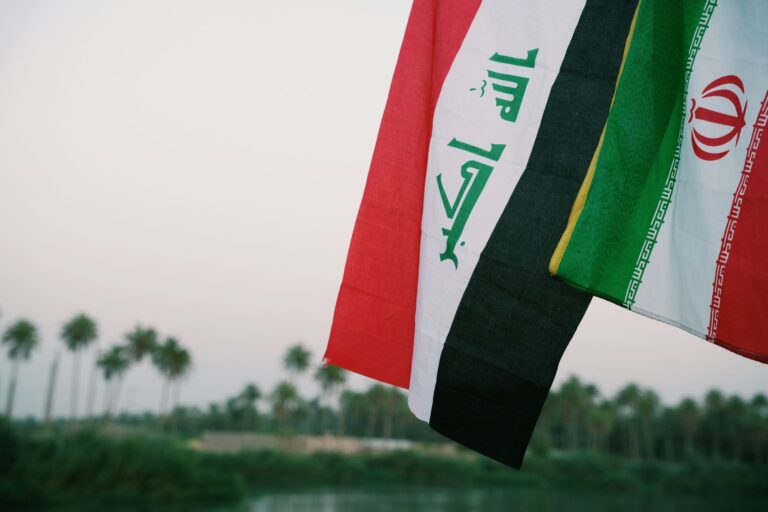
China, a key player in the international energy market and a major importer of Iranian oil, has expressed strong opposition to the U.S. actions. Chinese officials emphasized the importance of maintaining stability in the region and called for restraint from all parties. They reiterated their commitment to upholding economic ties with Iran, rejecting any suggestions that they should abandon these relationships due to U.S. pressures.
Turkey, which has historically maintained a delicate balance in its relations with both the West and Iran, echoed similar sentiments. Turkish leaders urged for peaceful negotiations and warned against escalating military tensions that could further destabilize the region. The Turkish government underscored the necessity of dialogue to resolve disputes and protect the interests of all nations in the area.
The backdrop of the blockade is the ongoing geopolitical struggle surrounding Iran, particularly concerning its nuclear program and military activities in the region. The U.S. has taken a hardline stance against Iran, aiming to curb its influence through economic sanctions and military posturing. However, this approach has often led to increased tensions, with various nations caught in the crossfire.
As the situation develops, the potential ramifications for global oil prices remain a pressing concern. Analysts predict that the blockade could lead to increased volatility in oil markets, affecting not only regional economies but also those further afield. The U.S. maintains that the blockade is necessary to ensure maritime security and deter Iranian aggression, but critics argue that it may provoke further conflict.
In light of these developments, the international community is closely monitoring the situation, with calls for diplomatic solutions growing louder. The future of regional stability hinges on the ability of nations to engage in constructive dialogue and find common ground amid escalating tensions. Both China and Turkey’s appeals for caution may serve as a crucial counterbalance to the current hostilities, emphasizing the importance of collaboration over confrontation in addressing complex global challenges.