‘They Beat Us With Whips’: Sudan RSF Detainees Share Accounts of Brutality in El-Fasher
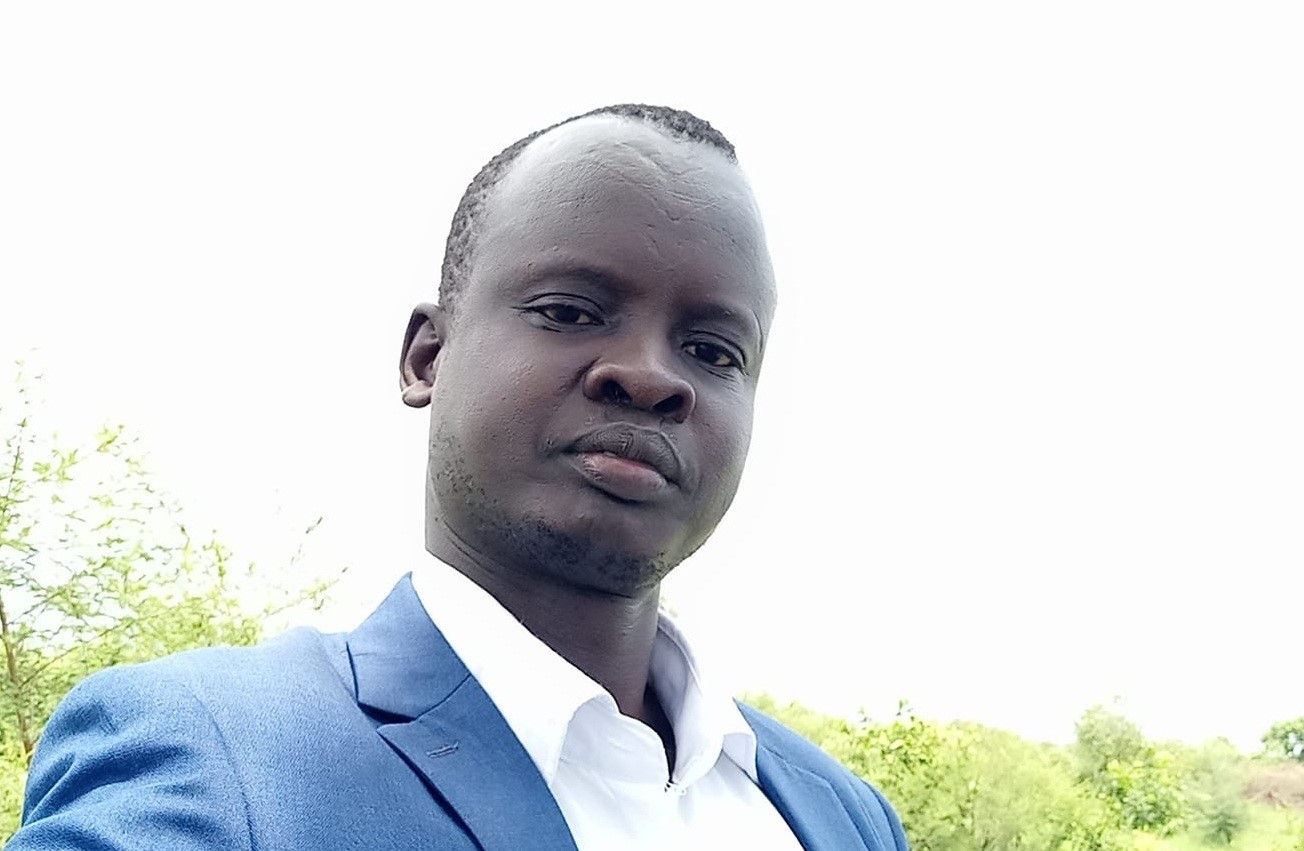
In the grim confines of a sealed shipping container, detainees in El-Fasher, North Darfur, have begun to recount their harrowing experiences at the hands of the Rapid Support Forces (RSF). Ibrahim Noureldin, a 42-year-old survivor, describes the suffocating conditions where every thud on the metal walls indicated another life lost as the RSF crammed more men into the already overcrowded space.
The situation escalated dramatically during the RSF’s takeover of El-Fasher in October, which has resulted in the detention of thousands of individuals. A recent investigation by the United Nations has raised alarm bells, suggesting that the actions of the RSF exhibit the “hallmarks of genocide,” highlighting the severity of the conflict and the treatment of detainees.
According to Noureldin, the conditions inside the container were dire. With limited access to food and water, many detainees succumbed to thirst and hunger. Those who died were not afforded dignity in death; instead, survivors were forced to bury their fellow detainees outside under the cover of darkness, a grim task that underscored the desperation of their situation.
Testimonies from other detainees reveal a pattern of abuse and violence. Many report being beaten with whips and subjected to inhumane treatment. The RSF’s actions have drawn widespread condemnation, with human rights groups calling for immediate international intervention to prevent further atrocities.
Reports indicate that the RSF has been actively targeting individuals based on their ethnicity and political affiliations, fueling fears among local communities. The violence in El-Fasher is not an isolated incident but part of a broader pattern of systemic oppression in the region, which has seen escalating tensions and violent clashes since the outbreak of conflict in Sudan.
The international community continues to respond to the crisis, with calls for accountability and justice for the victims of these human rights violations. Many survivors, like Noureldin, are seeking refuge and safety, but the path to recovery remains fraught with challenges as the RSF continues to exert control over the region.
As the situation evolves, the plight of those detained in El-Fasher serves as a stark reminder of the ongoing humanitarian crisis in Sudan. Advocacy groups are urging for increased awareness and support for those affected, emphasizing the need for a coordinated international response to protect vulnerable populations and hold perpetrators accountable for their actions.
The stories of survival and resilience among those who have endured such trauma underscore the urgent need for peace and stability in Sudan, as communities grapple with the aftermath of violence and seek a path towards healing and justice.