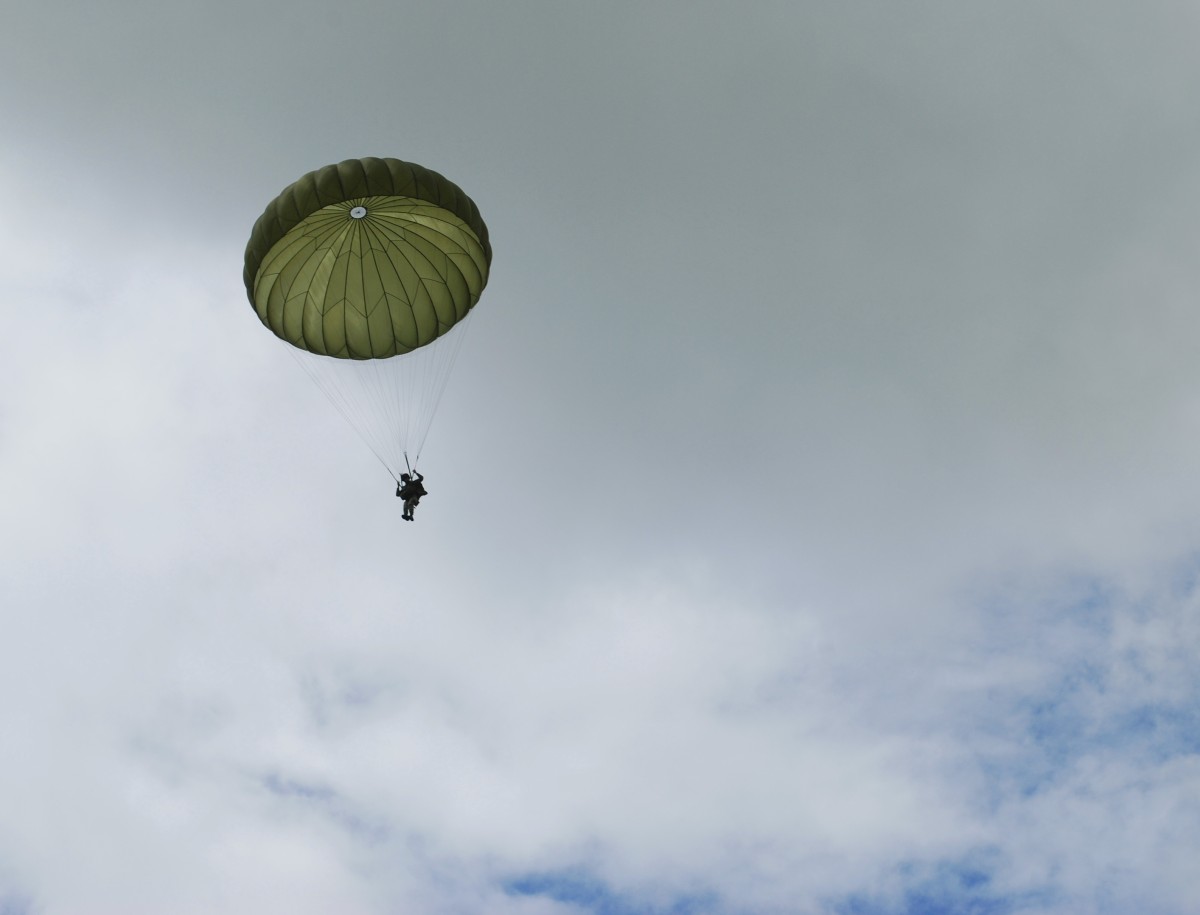
Thousands of U.S. Army Paratroopers Arrive in the Middle East Amid Heightened Tensions
In a significant military maneuver, thousands of soldiers from the U.S. Army’s distinguished 82nd Airborne Division have commenced their deployment to the Middle East. This development comes as the U.S. administration contemplates its strategic response in the ongoing tensions with Iran.
Sources within the U.S. military confirmed the arrival of these forces, marking an escalation in the U.S. military presence in the region. The decision to send additional troops appears to be part of a broader strategy to enhance U.S. capabilities and options in addressing threats from Iran, particularly in light of recent escalating hostilities.
The deployment follows discussions within the White House regarding potential military options, which may include the possibility of operations within Iranian territory. This consideration has raised concerns about the implications for regional stability and the potential for further conflict. The administration’s approach reflects a desire to project strength and deter any aggressive actions from Iran, which has been a focal point of U.S. foreign policy in recent years.
Military analysts suggest that the deployment of the 82nd Airborne, known for its rapid response capabilities, underscores the seriousness with which the U.S. is treating the current situation. This elite division is trained for airborne operations and is often utilized in critical missions requiring quick action. Their presence in the Middle East could serve as a warning to Iran and its allies about the U.S. commitment to protecting its interests in the region.
The decision to bolster U.S. forces in the Middle East follows a series of incidents that have heightened tensions between Washington and Tehran. The U.S. has accused Iran of orchestrating attacks on U.S. interests and allies in the region, leading to calls for a more robust military posture. The deployment of additional troops aims to reassure U.S. allies and partners in the Middle East, who may feel vulnerable amid rising tensions.
As the situation develops, President Trump and his administration are faced with complex choices regarding military engagement and diplomatic outreach. The arrival of these paratroopers not only signals a military buildup but also reflects the ongoing challenge of balancing deterrence with the desire to avoid an escalation into full-scale conflict.
This latest move by the U.S. military is likely to be closely monitored by both domestic and international observers, as the ramifications of these actions could have far-reaching consequences for U.S.-Iran relations and overall stability in the Middle East. The global community watches with bated breath, aware that the situation remains fluid and fraught with potential for both confrontation and resolution.