Trump and Israel Intensify Pressure on Iran Amid Search for Missing U.S. Airman
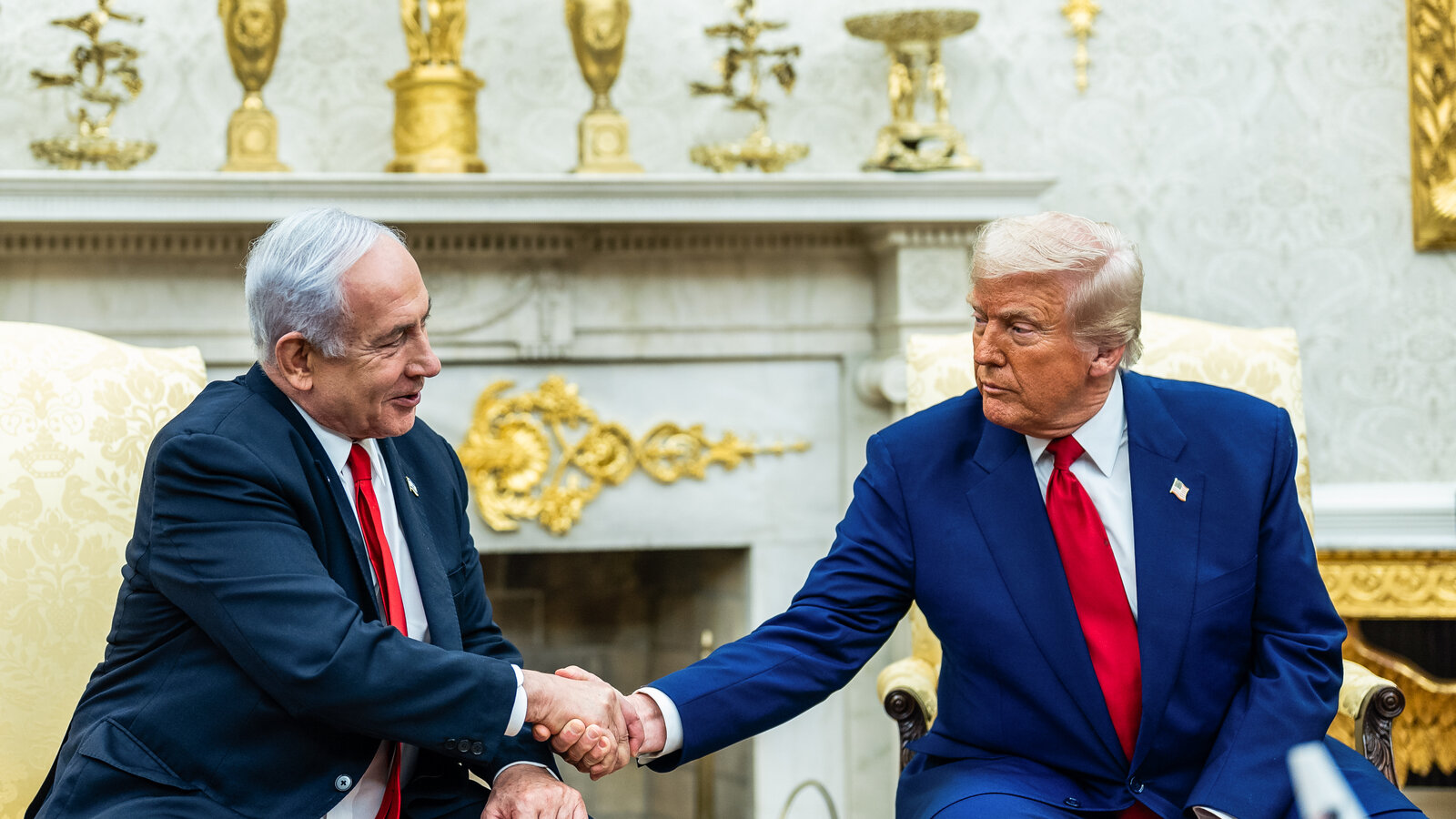
In a significant escalation of tensions in the Middle East, U.S. President Donald Trump and Israeli officials are increasing pressure on Iran, demanding the country reopen the vital Strait of Hormuz. This move comes as efforts continue to locate a missing U.S. airman following the downing of two warplanes earlier this week.
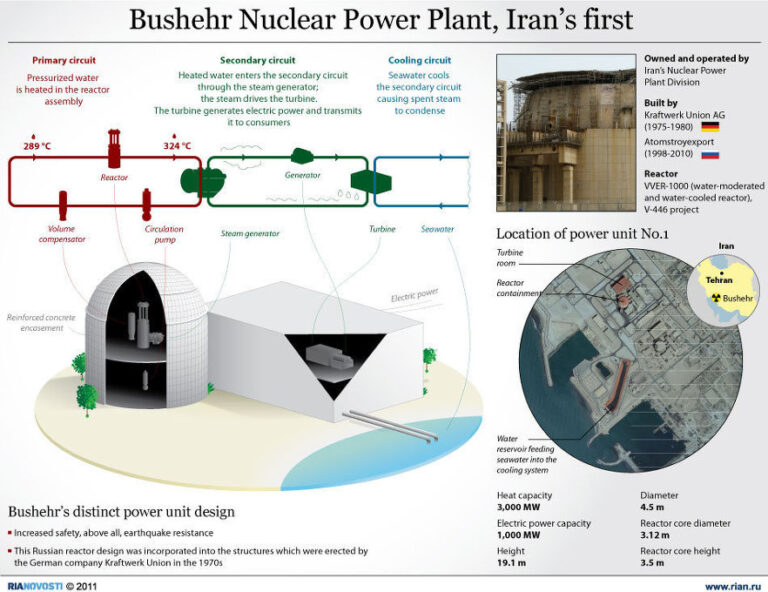
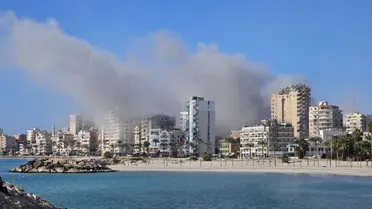
The Strait of Hormuz is a crucial waterway for global oil shipments, and both Trump and Israeli leaders have warned of potential military action against Iran’s energy infrastructure if it does not comply with their demands. The heightened rhetoric reflects ongoing concerns about Iran’s military activities and its influence in the region, particularly following the joint U.S.-Israeli airstrikes that targeted Iranian positions on February 28.
Trump has recently communicated a firm deadline for Iran to negotiate a peaceful resolution to the ongoing conflict. This ultimatum has been interpreted as a strategic maneuver to pressure Tehran into compliance before the situation escalates further. The President’s mixed signals regarding U.S. military involvement have left many observers questioning the administration’s long-term strategy in the region.
On the ground, U.S. and Iranian forces are engaged in a complex search operation for the missing American airman. The circumstances surrounding the downing of the warplanes remain unclear, but reports indicate that the situation has drawn both nations into a tense confrontation. Efforts to locate the airman are being coordinated with international allies, aiming to ensure his safe return.
The situation in the Strait of Hormuz has broader implications for global energy markets, as any disruption in this critical waterway could lead to significant increases in oil prices. Analysts suggest that the ongoing conflict could trigger a ripple effect across the global economy, further complicating an already volatile geopolitical landscape.
As tensions rise, many in the Arab-American community are closely monitoring developments, recognizing the potential impact on regional stability and the lives of citizens in the Middle East. Community leaders are urging for diplomatic solutions and expressing concern about the consequences of military escalation.
While both Trump and Israeli officials maintain a hardline stance against Iran, there are calls from various factions for dialogue rather than conflict. The coming weeks may prove crucial in determining the course of U.S.-Iran relations and the broader dynamics in the Middle East, especially as the deadline for negotiations approaches.
As the search for the missing airman continues, the international community watches closely, hoping for a resolution that prioritizes peace and stability over further military action.