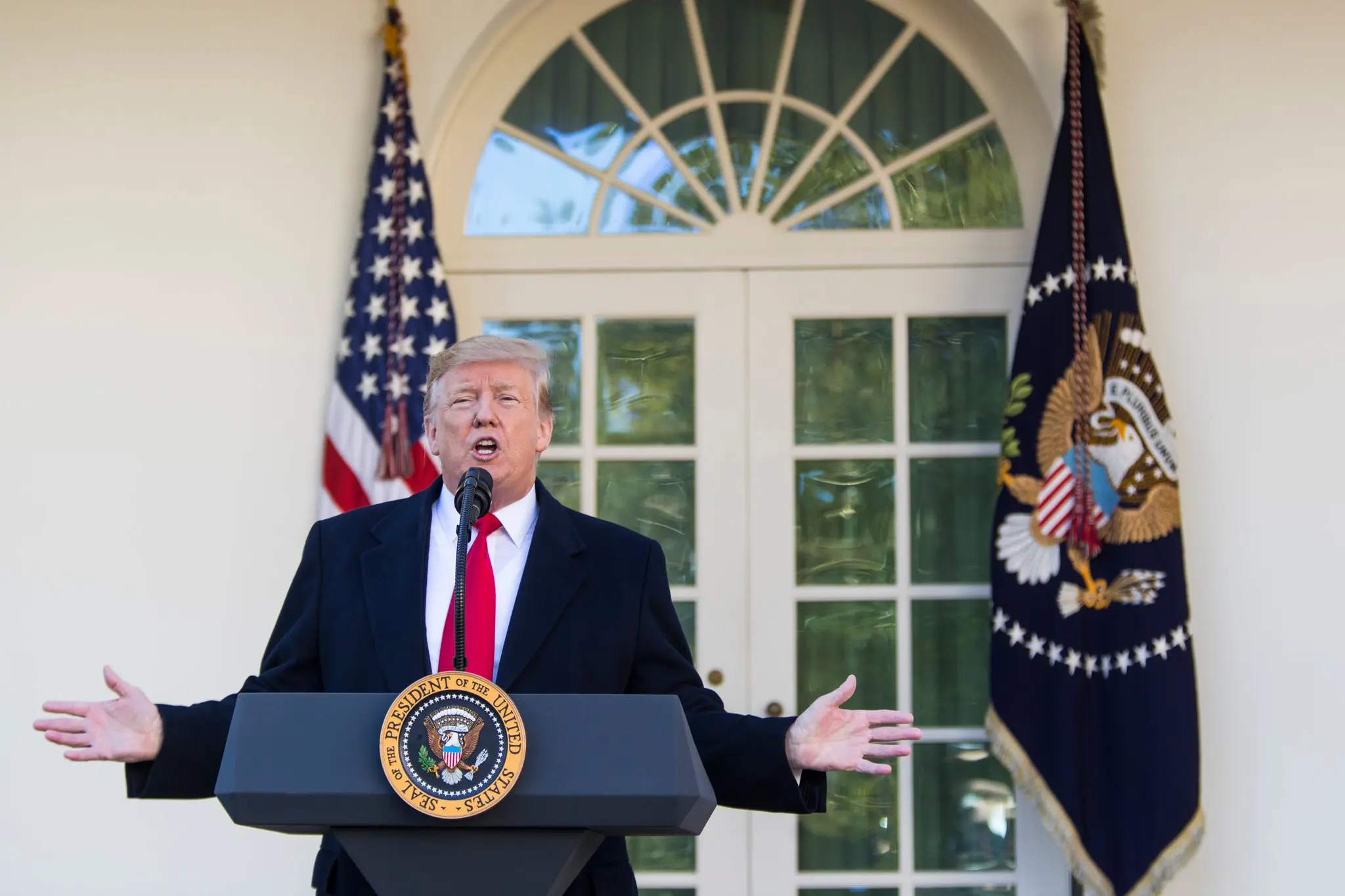
Trump Announces Closed-Door Talks on Iran Crisis
In a recent statement, President Donald Trump indicated that discussions regarding the ongoing crisis with Iran will be conducted privately, emphasizing the importance of confidentiality in the negotiations. During a post on social media, he asserted that only a specific set of “meaningful points” would be acceptable to the United States, although he refrained from providing further details about the nature of these discussions.
Trump described these points as fundamental to establishing a ceasefire, characterizing them as reasonable and easily manageable. His comments suggest a focused approach to the negotiations, which are anticipated to address the complexities surrounding U.S.-Iran relations and the broader regional tensions.
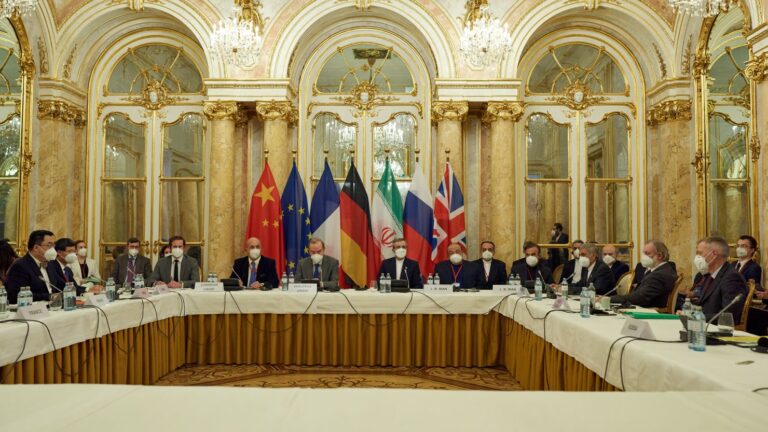
In an interview with ABC News, Trump revealed that he expects the talks to commence on Friday, underscoring his belief that the negotiations will progress swiftly. The decision to hold talks behind closed doors aligns with a strategy that aims to create a more controlled environment for addressing the delicate issues at hand.
The announcement comes amid heightened tensions in the Middle East, where Iran’s actions and policies have drawn significant scrutiny from the U.S. and its allies. The Trump administration has previously taken a hardline stance against Iran, particularly regarding its nuclear program and its influence in the region.
The upcoming negotiations are likely to draw considerable attention, as stakeholders from various sectors, including foreign policy experts, regional allies, and advocacy groups, are keenly interested in the potential outcomes. The administration’s approach to these talks may influence not only U.S.-Iran relations but also the stability of the broader Middle Eastern landscape.
Critics of Trump’s foreign policy have expressed skepticism about the effectiveness of closed-door negotiations, arguing that transparency is crucial for building trust and accountability. Supporters, on the other hand, contend that a more private setting can facilitate candid discussions without the distractions of public scrutiny.
As the situation develops, observers will be watching closely to see how the administration navigates these critical talks and whether they can lead to a de-escalation of tensions with Iran. The results of these negotiations could have far-reaching implications for U.S. foreign policy and regional dynamics in the Middle East.