Trump Announces Review of U.S. Troop Levels in Germany
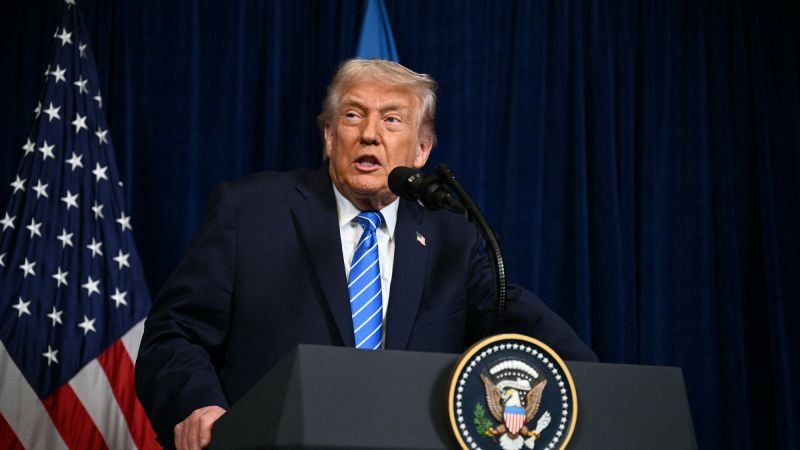
In a recent communication via Truth Social, President Donald Trump disclosed that his administration is currently evaluating the potential reduction of American military personnel stationed in Germany. This announcement has sparked discussions regarding the future of U.S. military presence in Europe, particularly in light of ongoing global security challenges.
President Trump indicated that a decision on troop levels would be forthcoming in the near future, stating, “The United States is studying and reviewing the possible reduction of troops in Germany, with a determination to be made over the next short period of time.” This remark underscores a significant shift in military strategy that could have implications for U.S. relations with NATO allies and European security dynamics.
The U.S. has maintained a robust military presence in Germany since the end of World War II, with around 34,000 American troops currently deployed there. These forces play a crucial role in a range of missions, from supporting NATO operations to engaging in joint training exercises with European allies. Any reduction in troop levels could affect operational readiness and the U.S.’s ability to respond to potential threats in the region.
The call for a reassessment of troop deployments aligns with Trump’s longstanding stance on NATO funding and burden-sharing among member nations. He has frequently criticized some NATO allies for not meeting their defense spending commitments, suggesting that the U.S. should reconsider its military footprint in Europe if allies do not increase their financial contributions to collective defense.
Reactions to Trump’s announcement have been mixed. Some analysts argue that a reduction could be seen as a retreat from U.S. commitments to European security, potentially emboldening adversaries such as Russia. Others, however, view a reevaluation of troop levels as a necessary step to ensure that U.S. military resources are effectively allocated in accordance with current geopolitical realities.
The implications of this review extend beyond military strategy; they also resonate within the broader context of U.S.-European relations. As the Biden administration prepares to take office, questions arise about how future policies may diverge from the current administration’s approach. The transition period may influence the final decisions regarding troop levels and the strategic posture of the U.S. in Europe.
As this situation develops, stakeholders from various sectors, including military families, defense contractors, and international relations experts, will be closely monitoring the outcomes of the review. The decision on troop levels in Germany not only affects the military landscape but also reflects the United States’ commitment to its allies and its role in global security affairs.